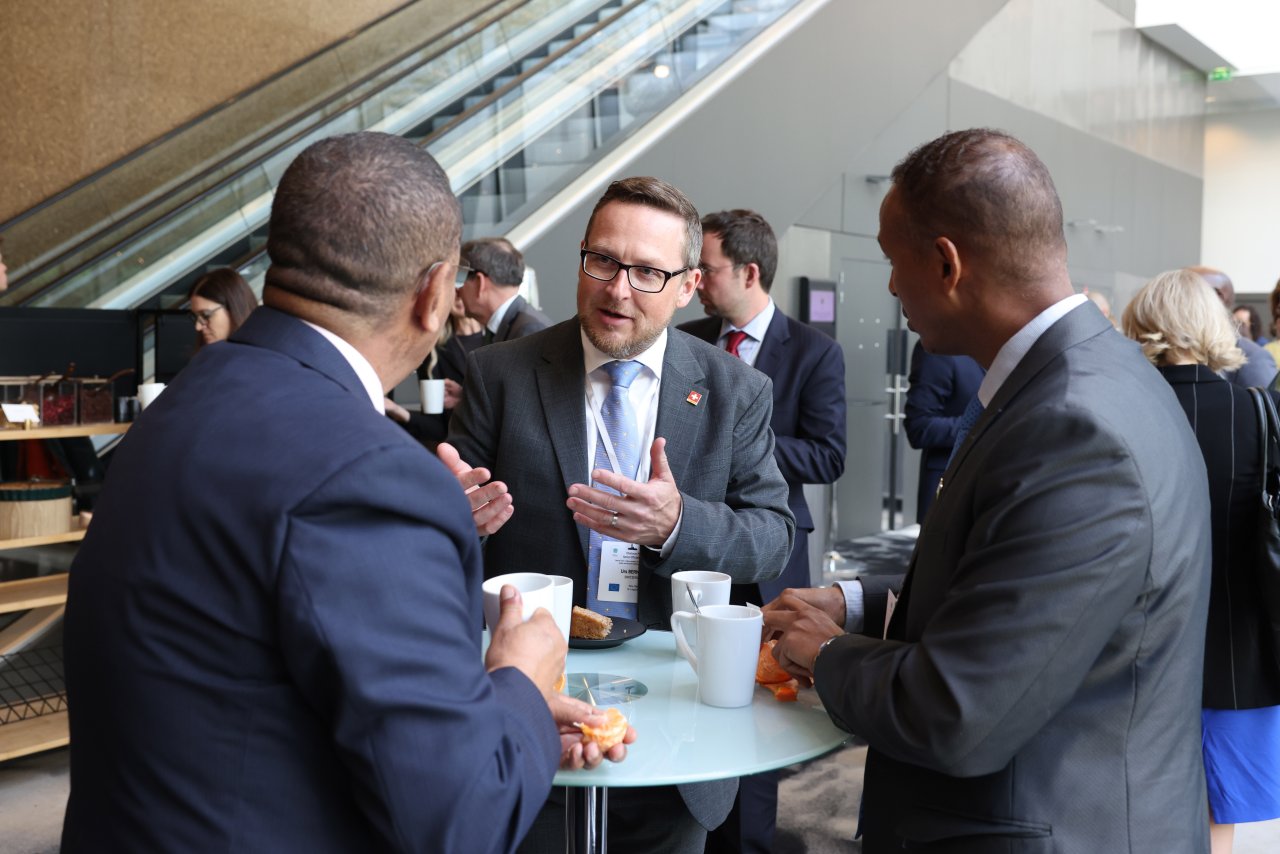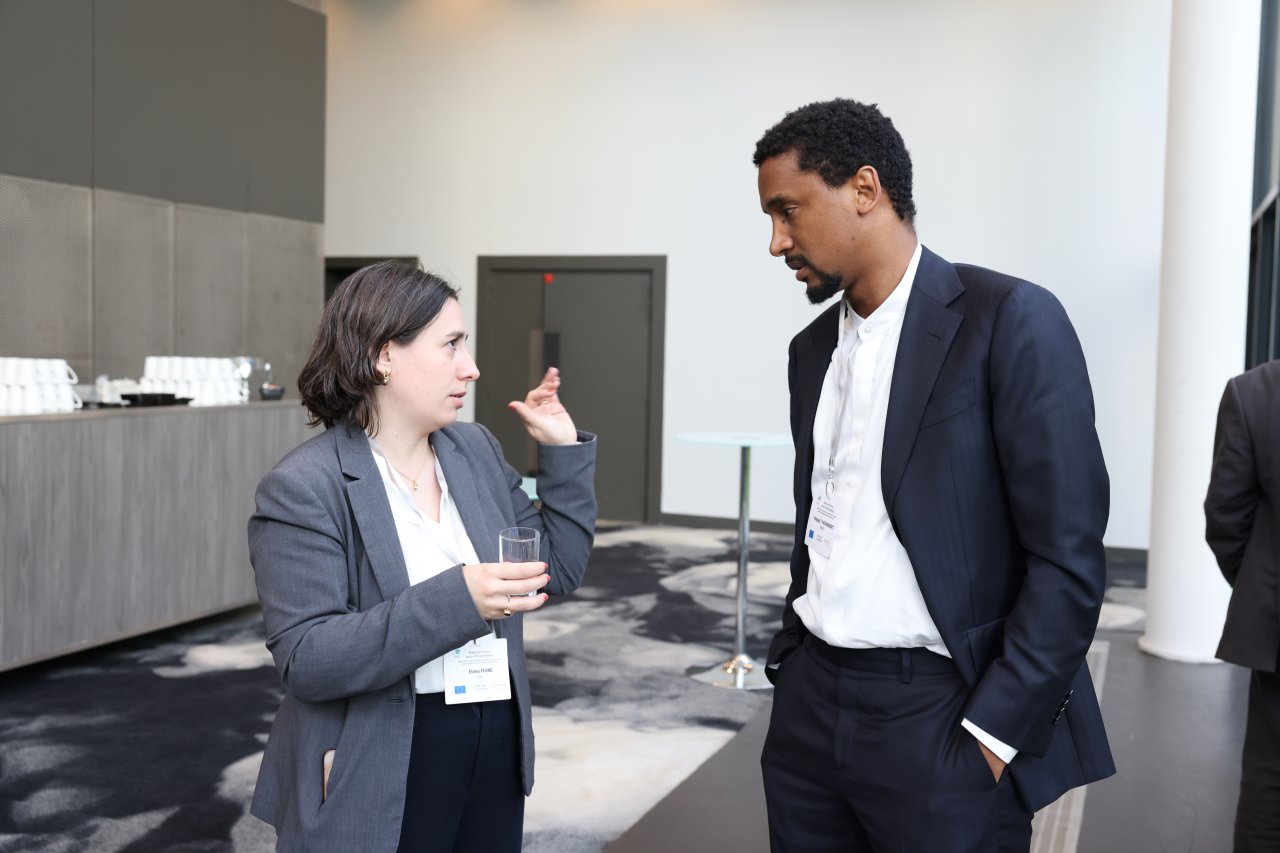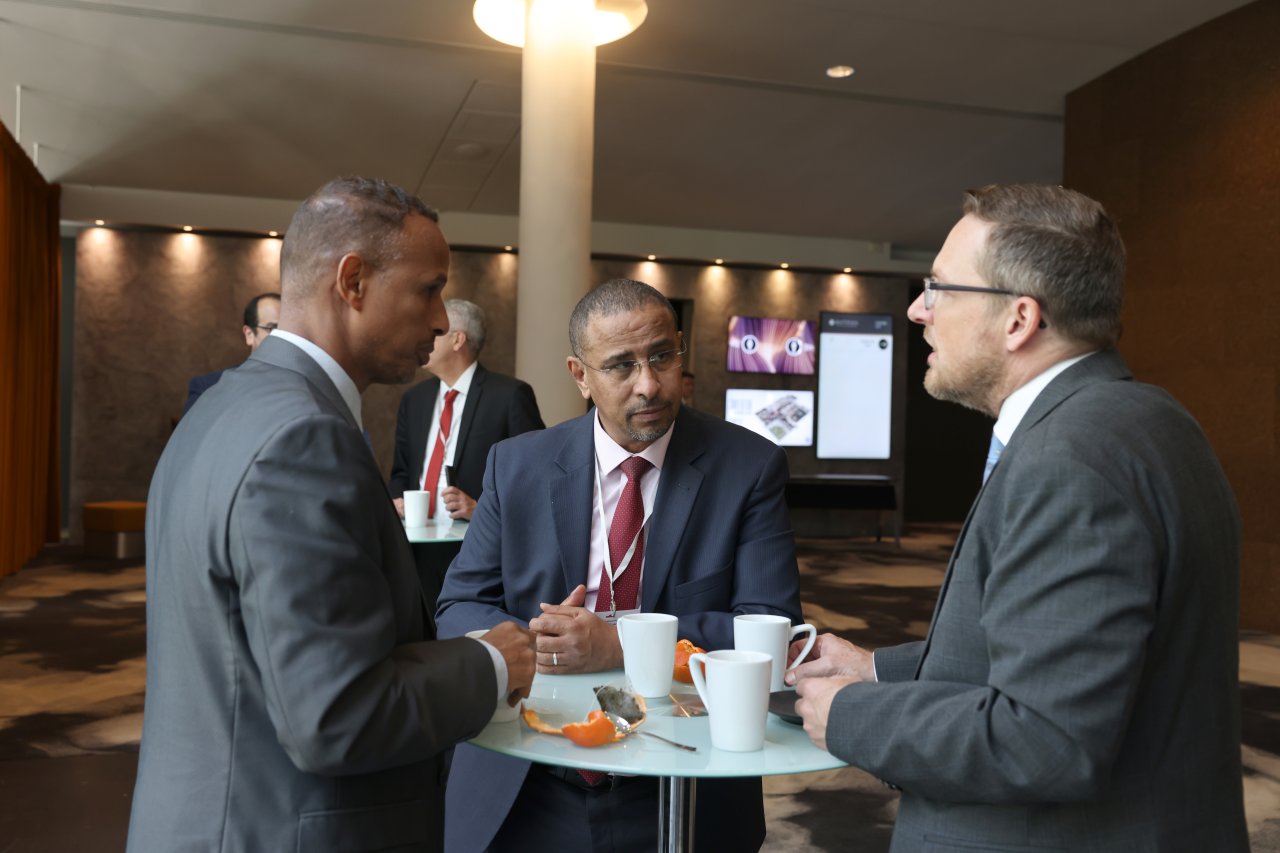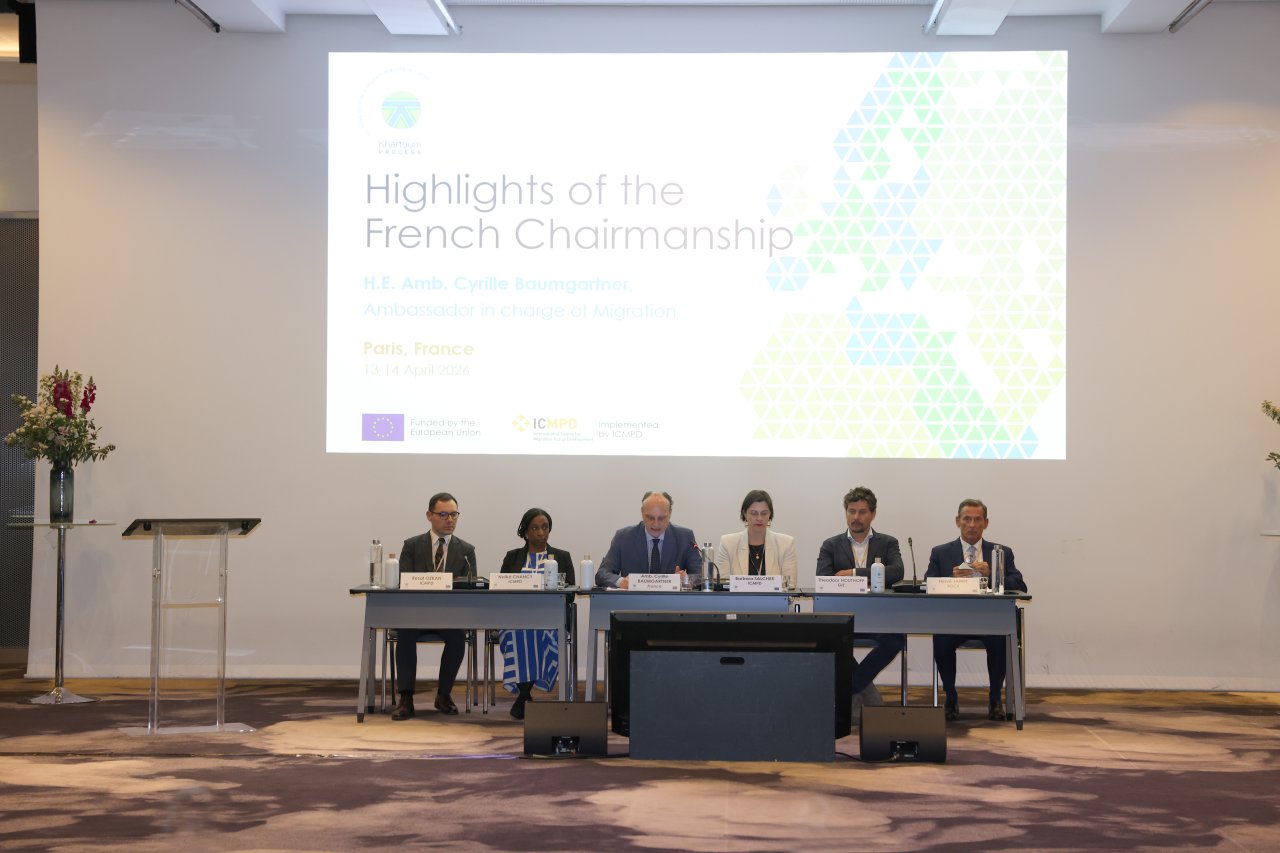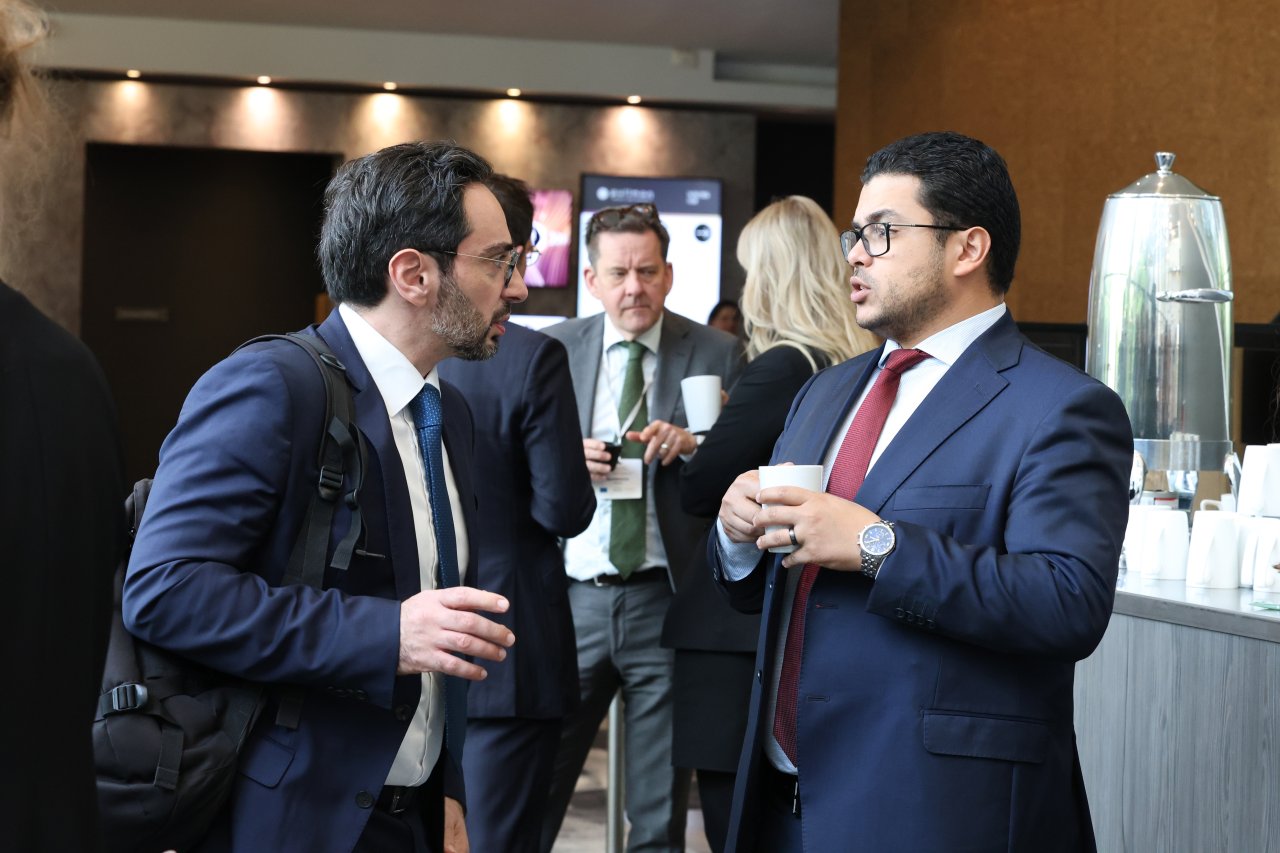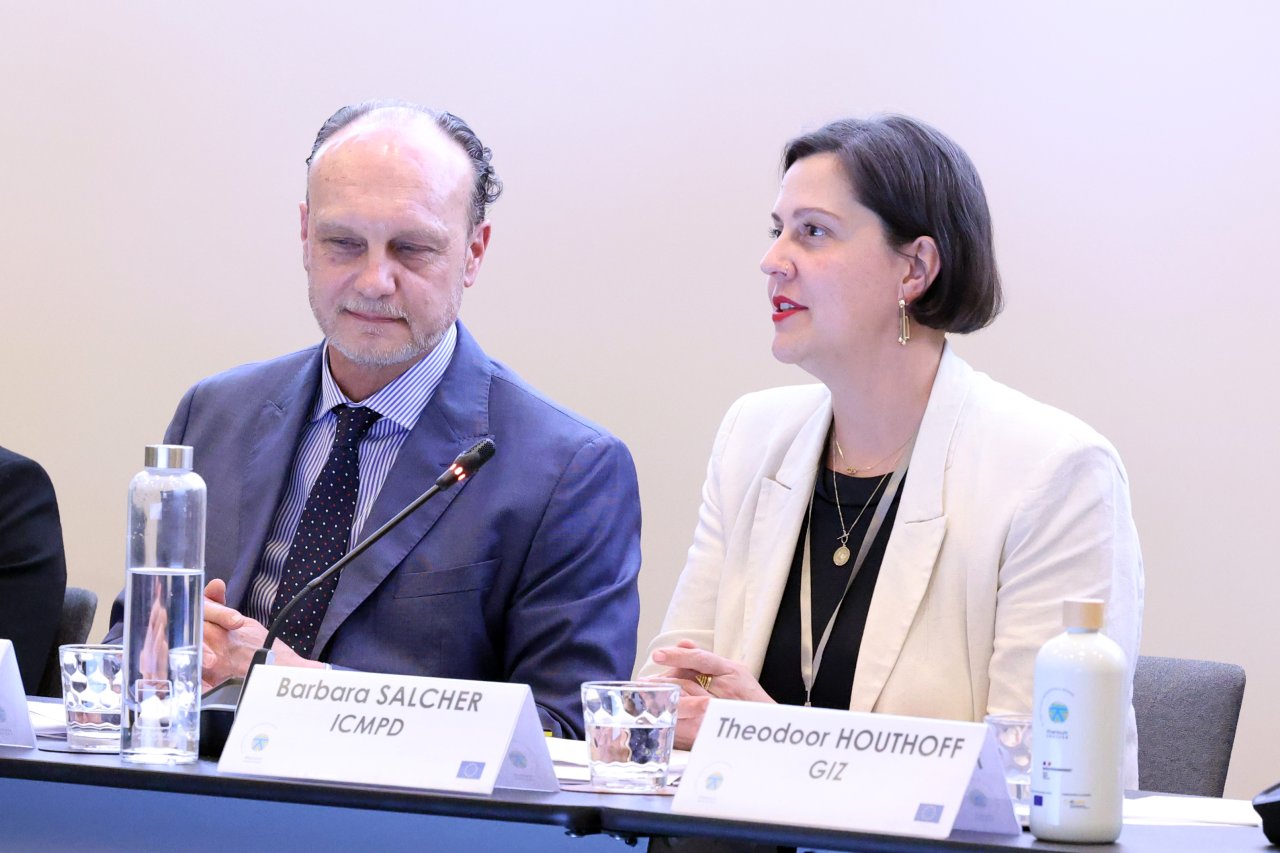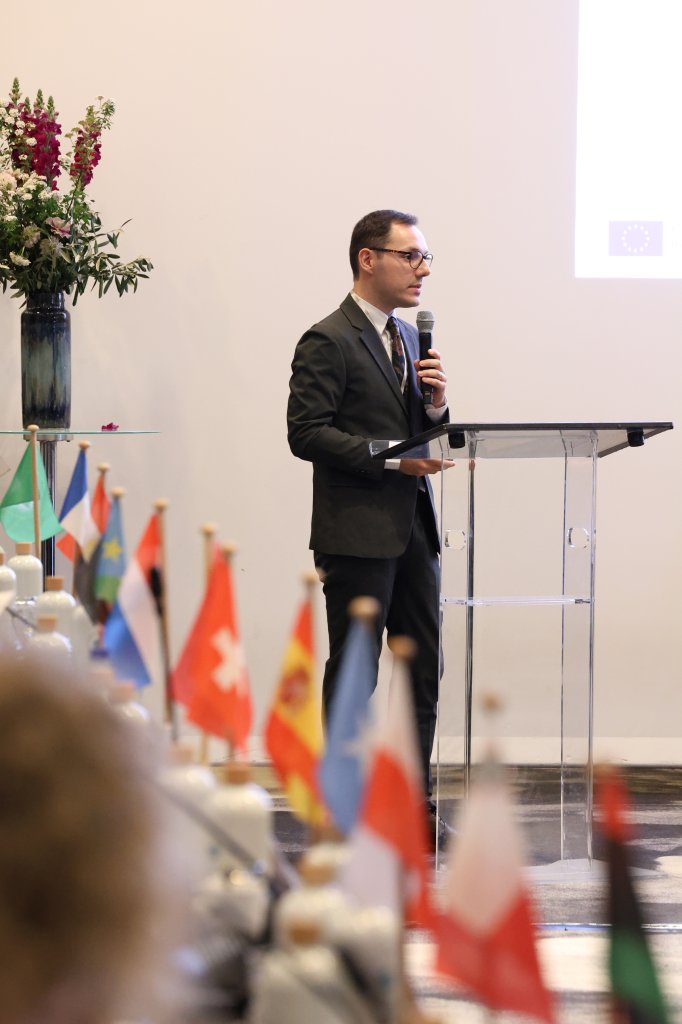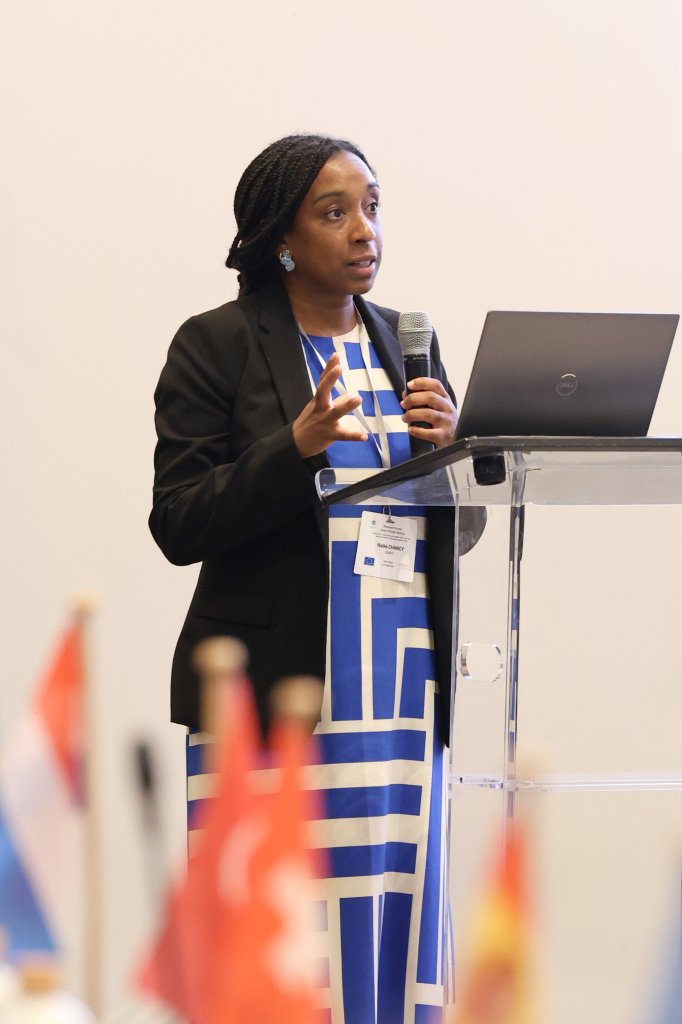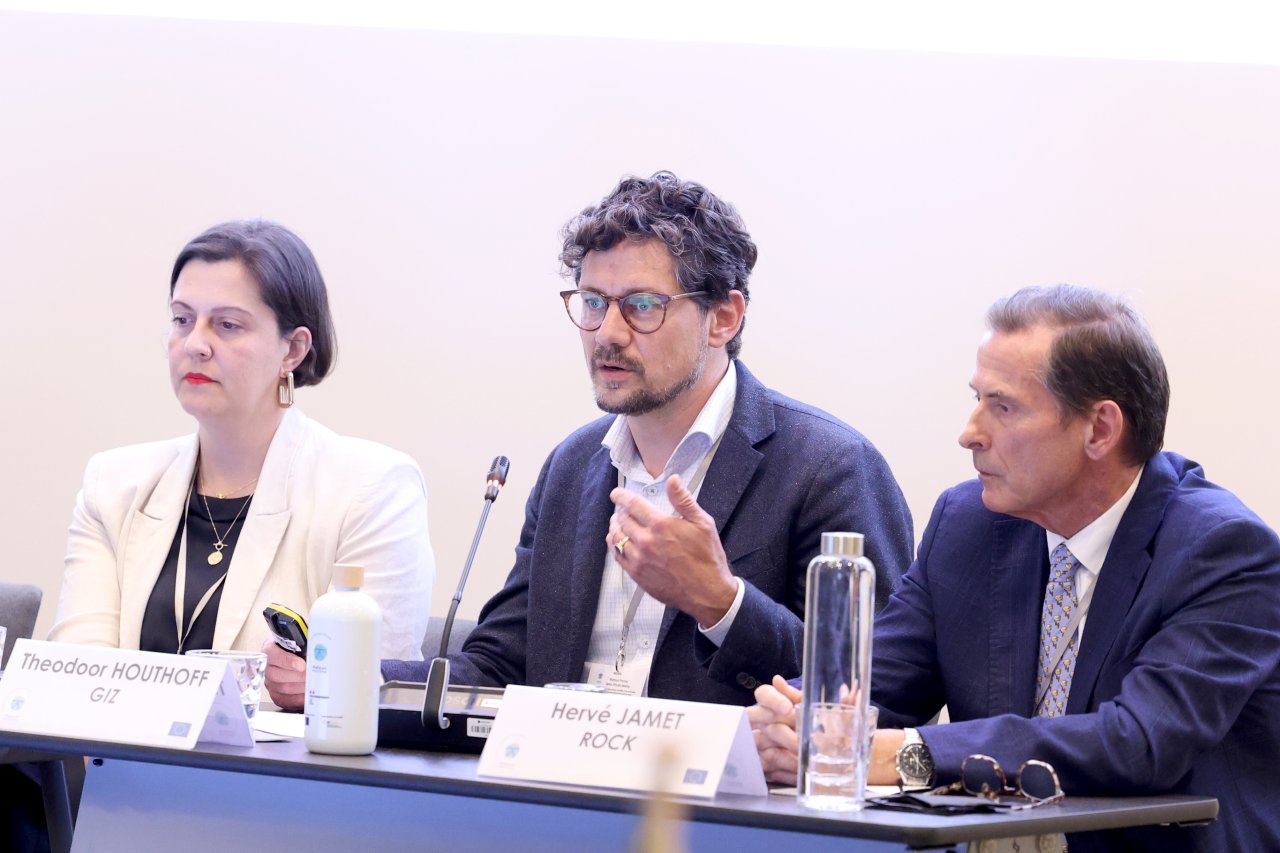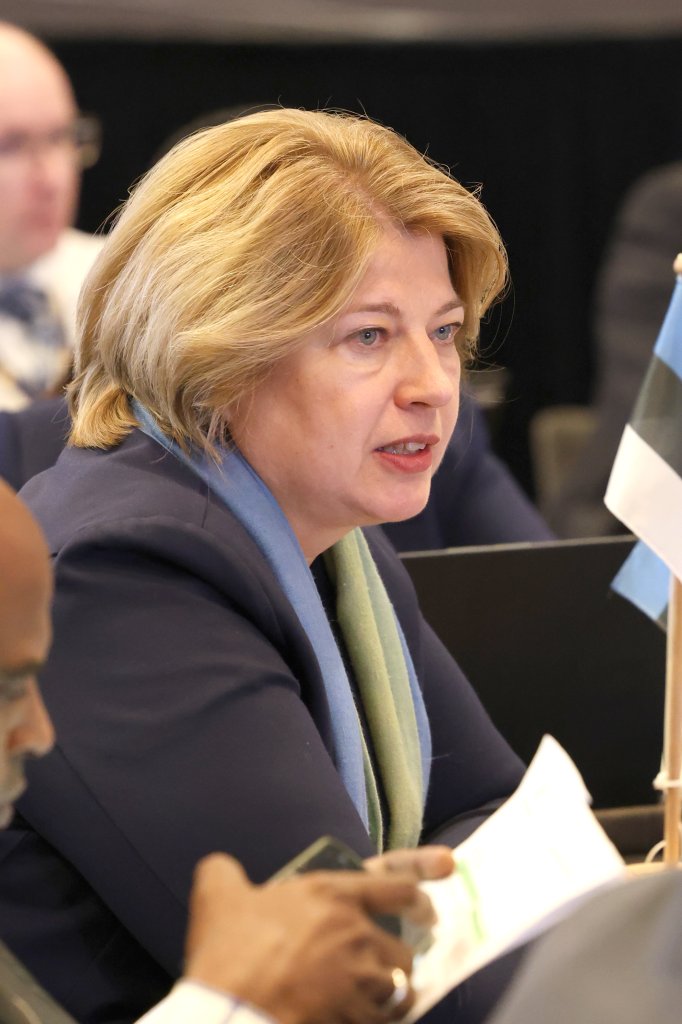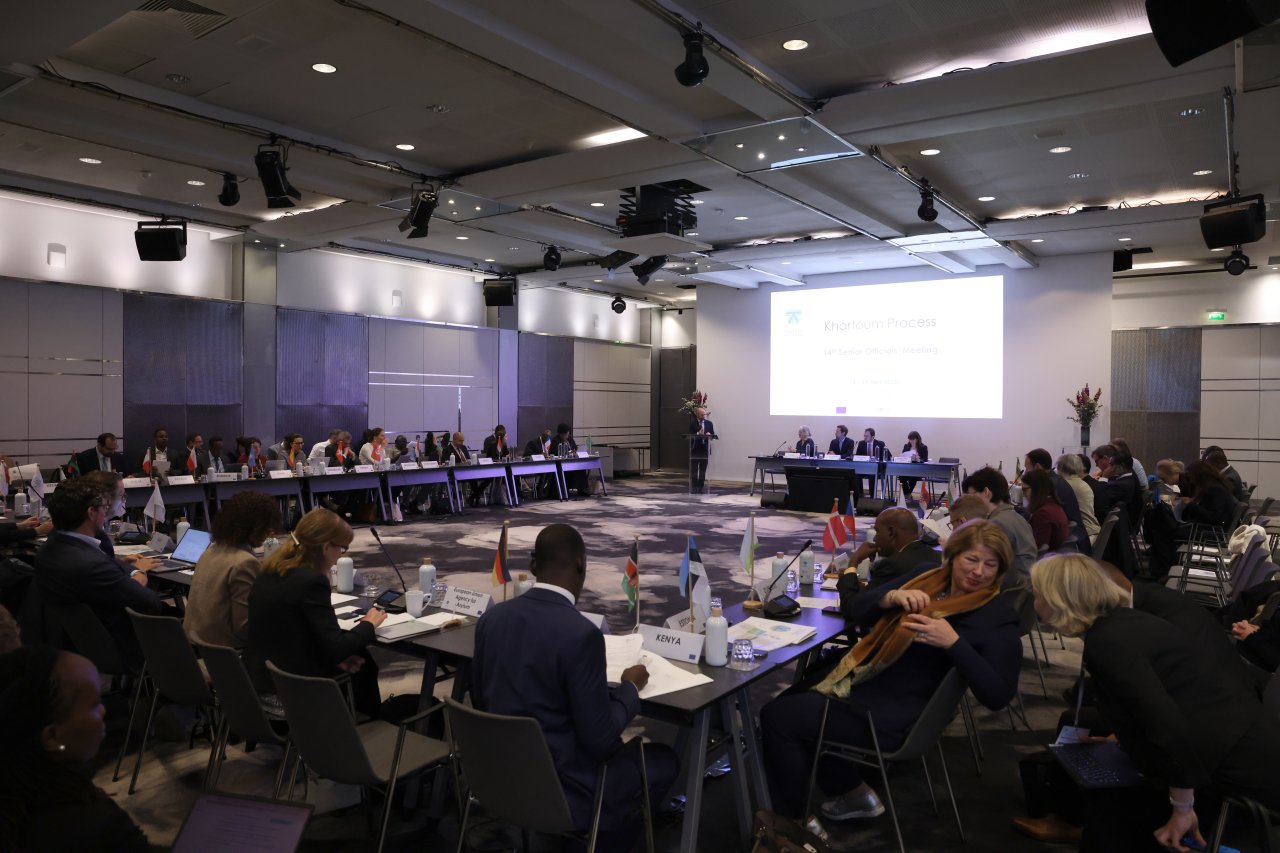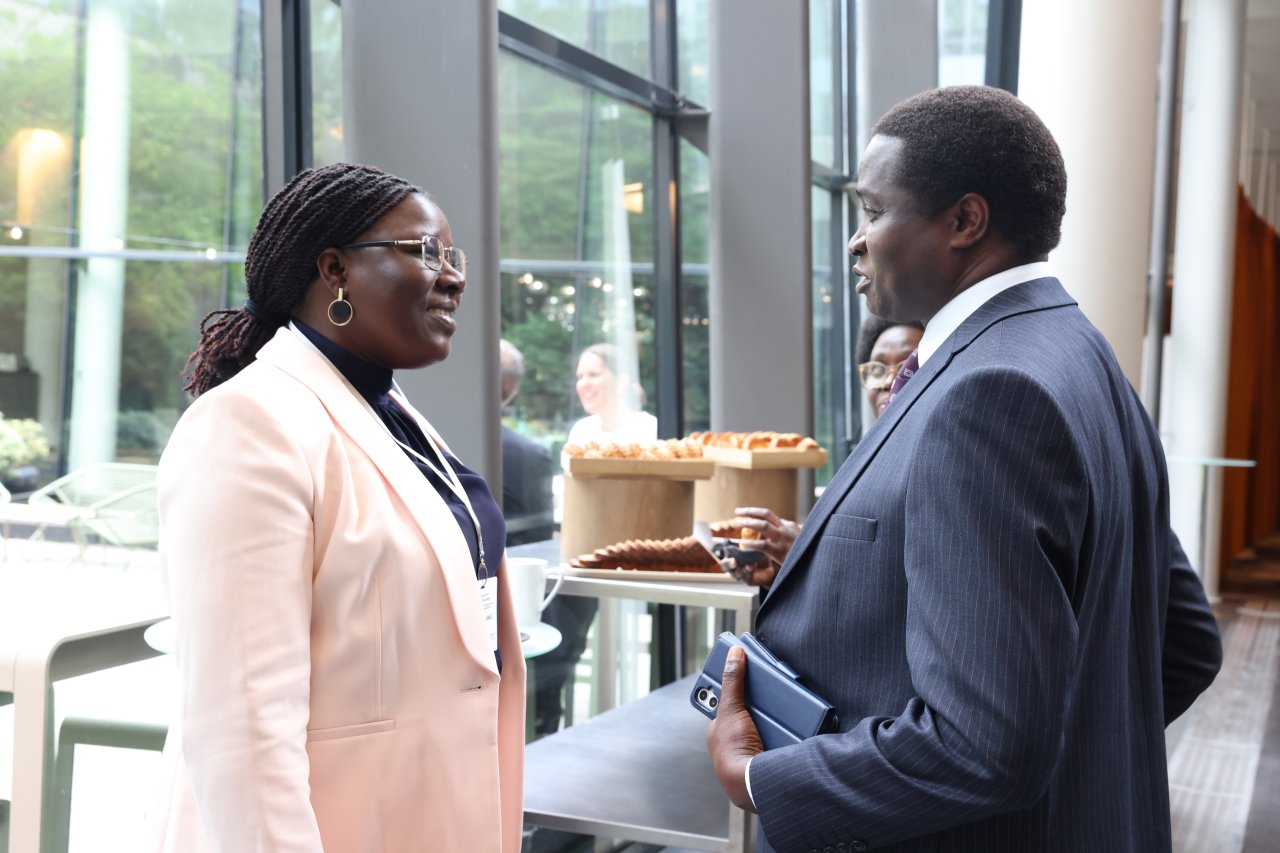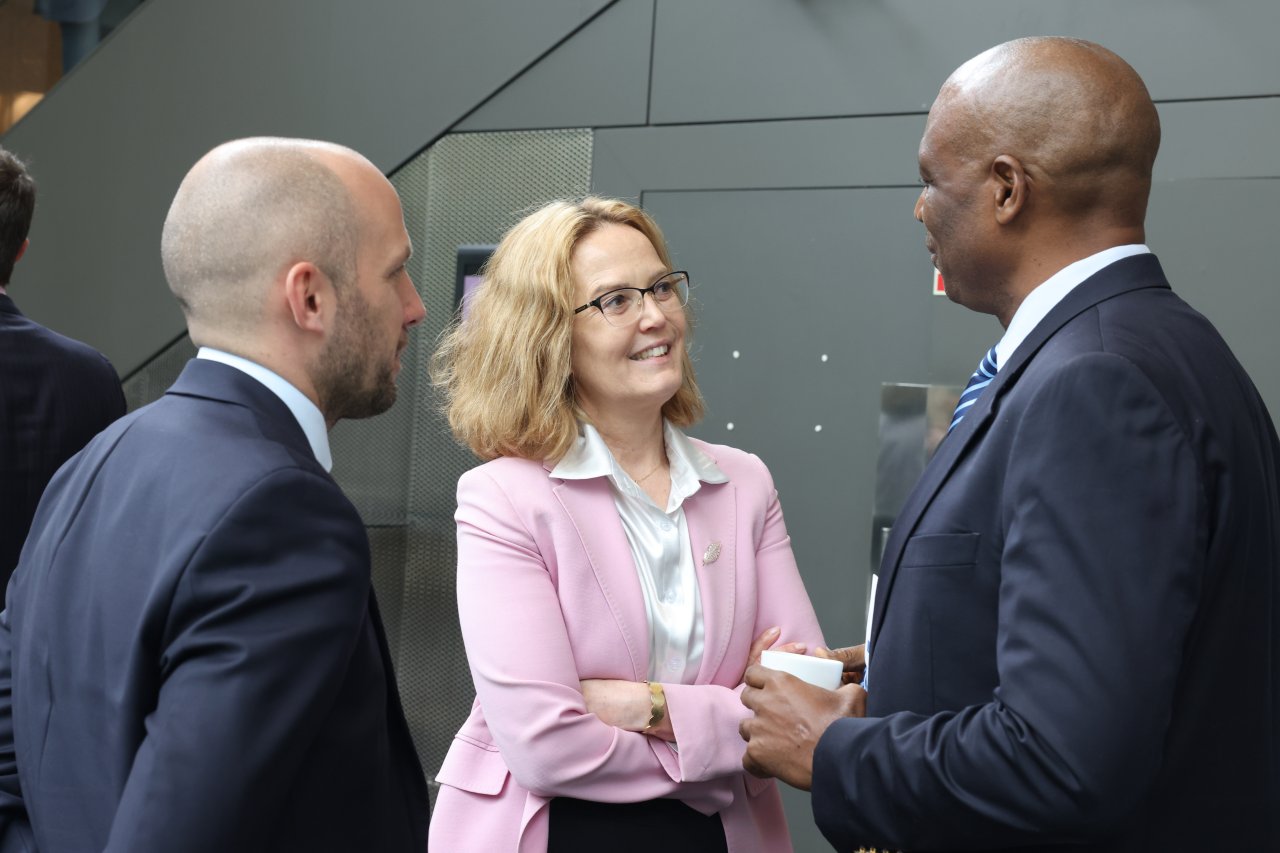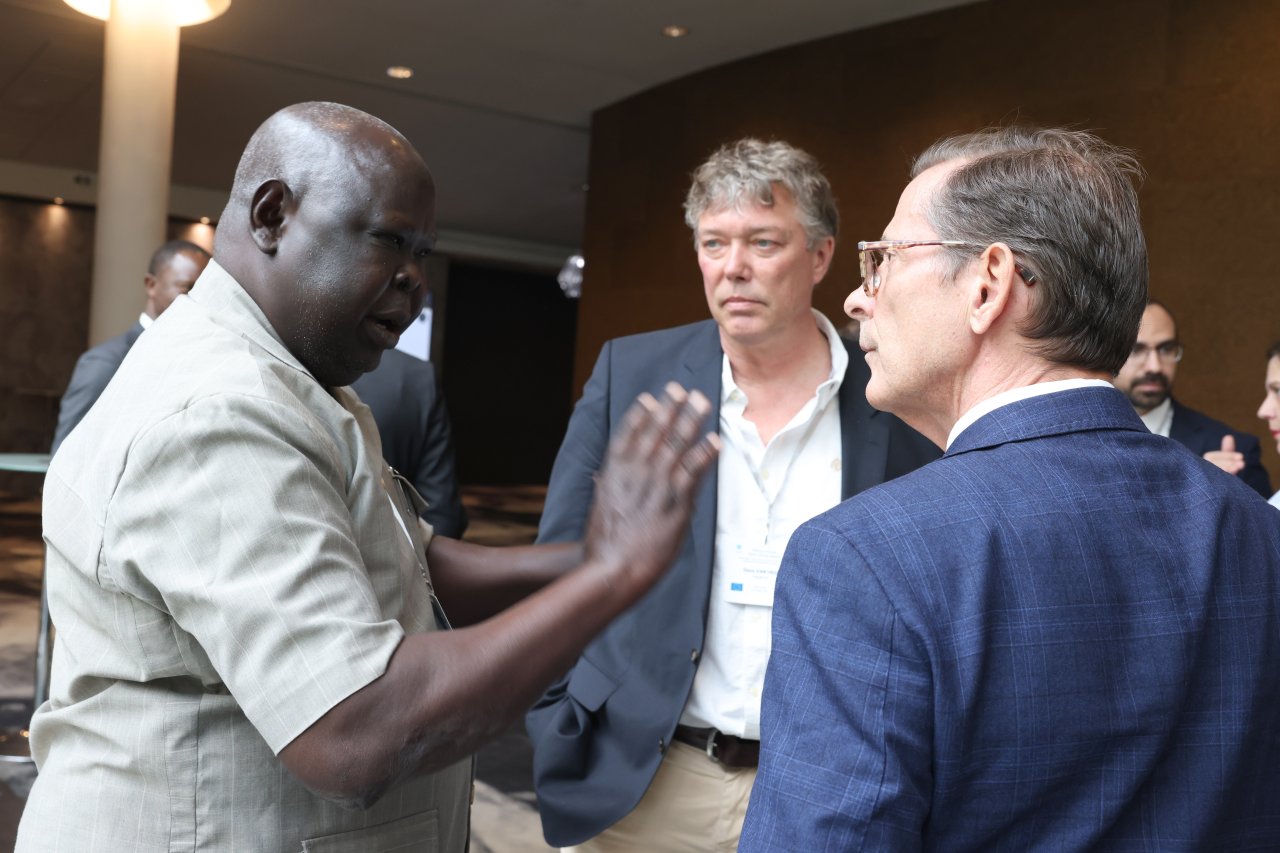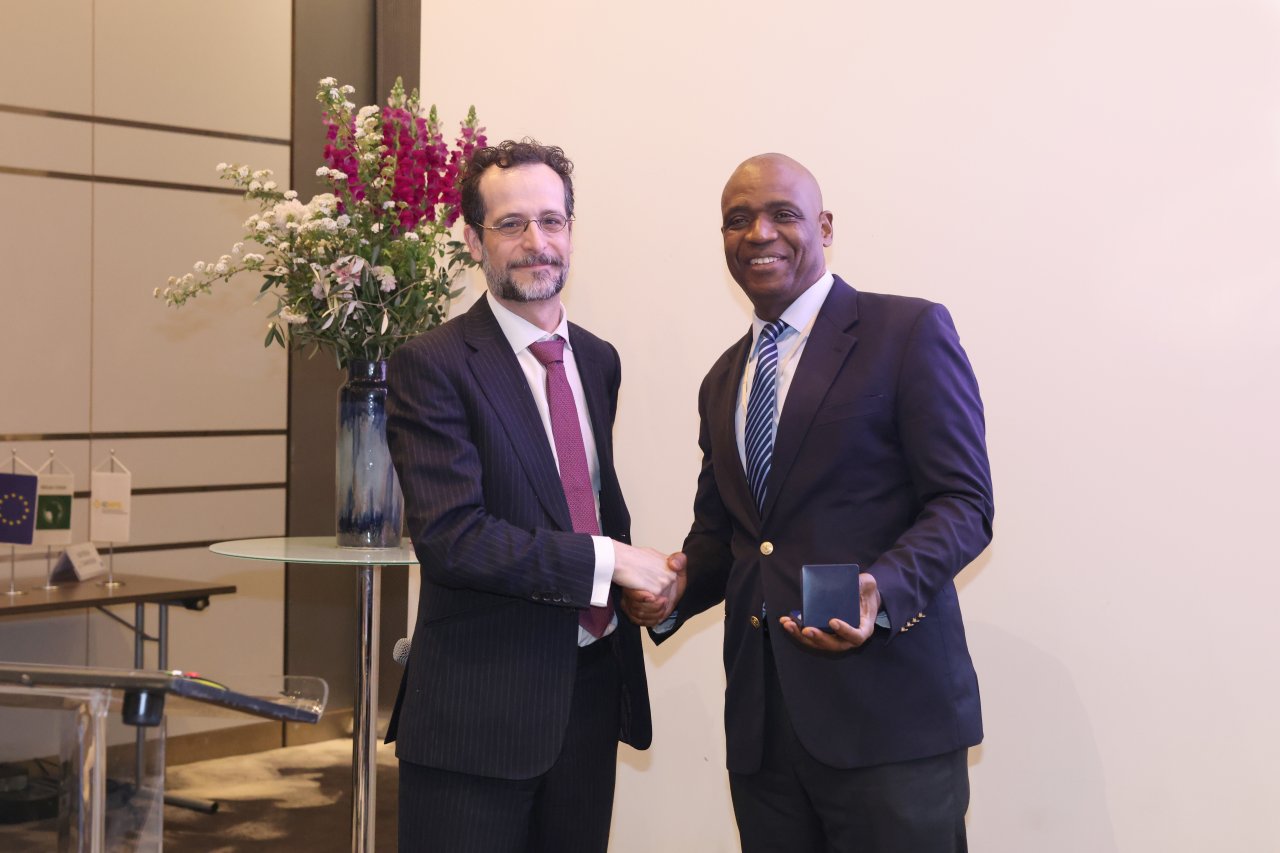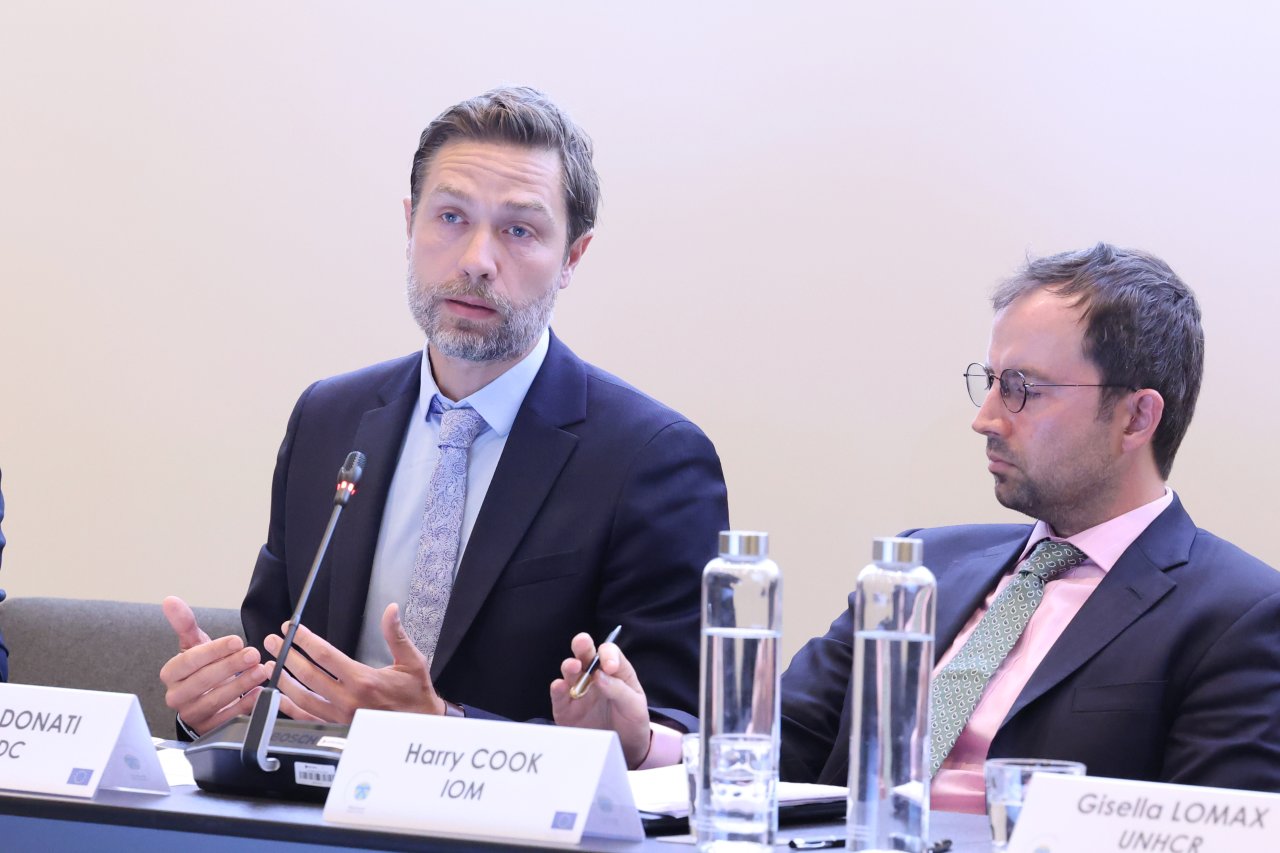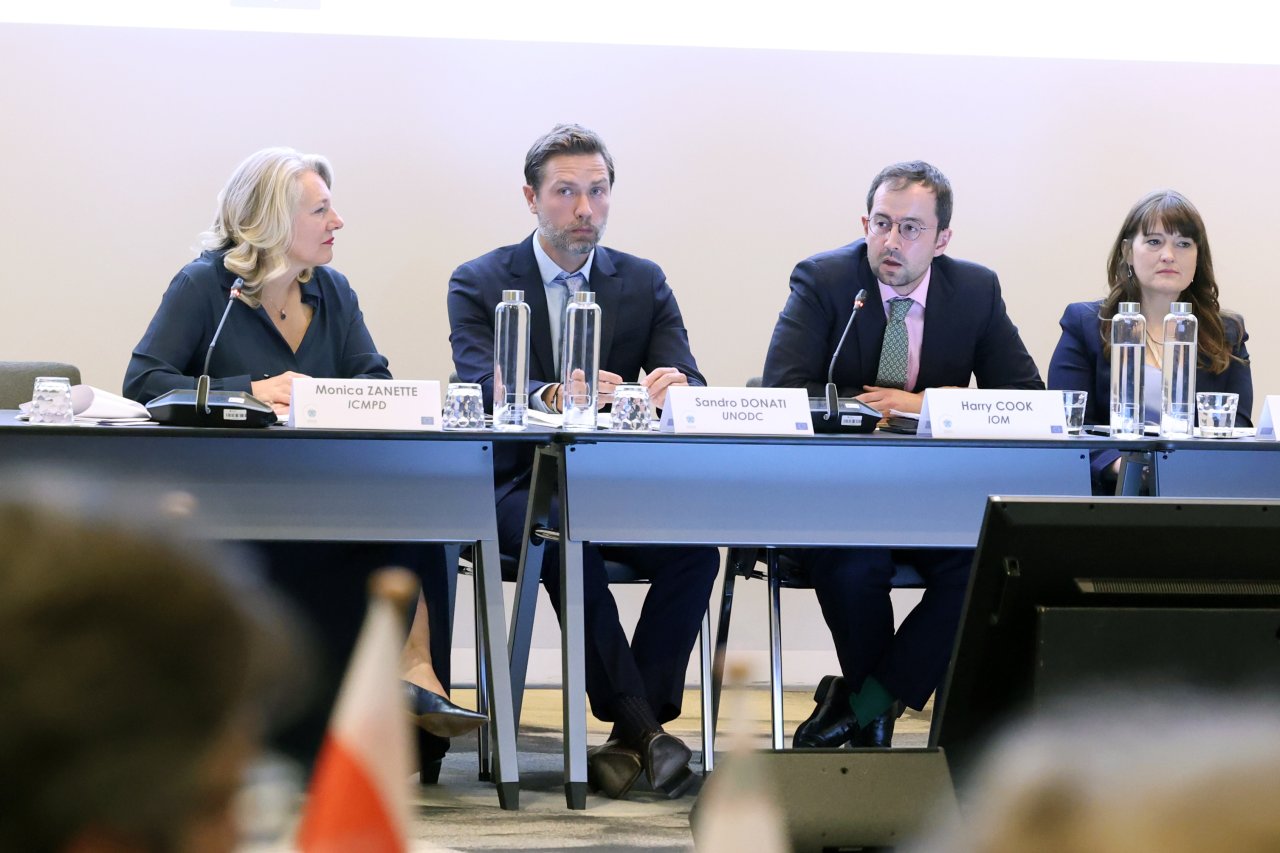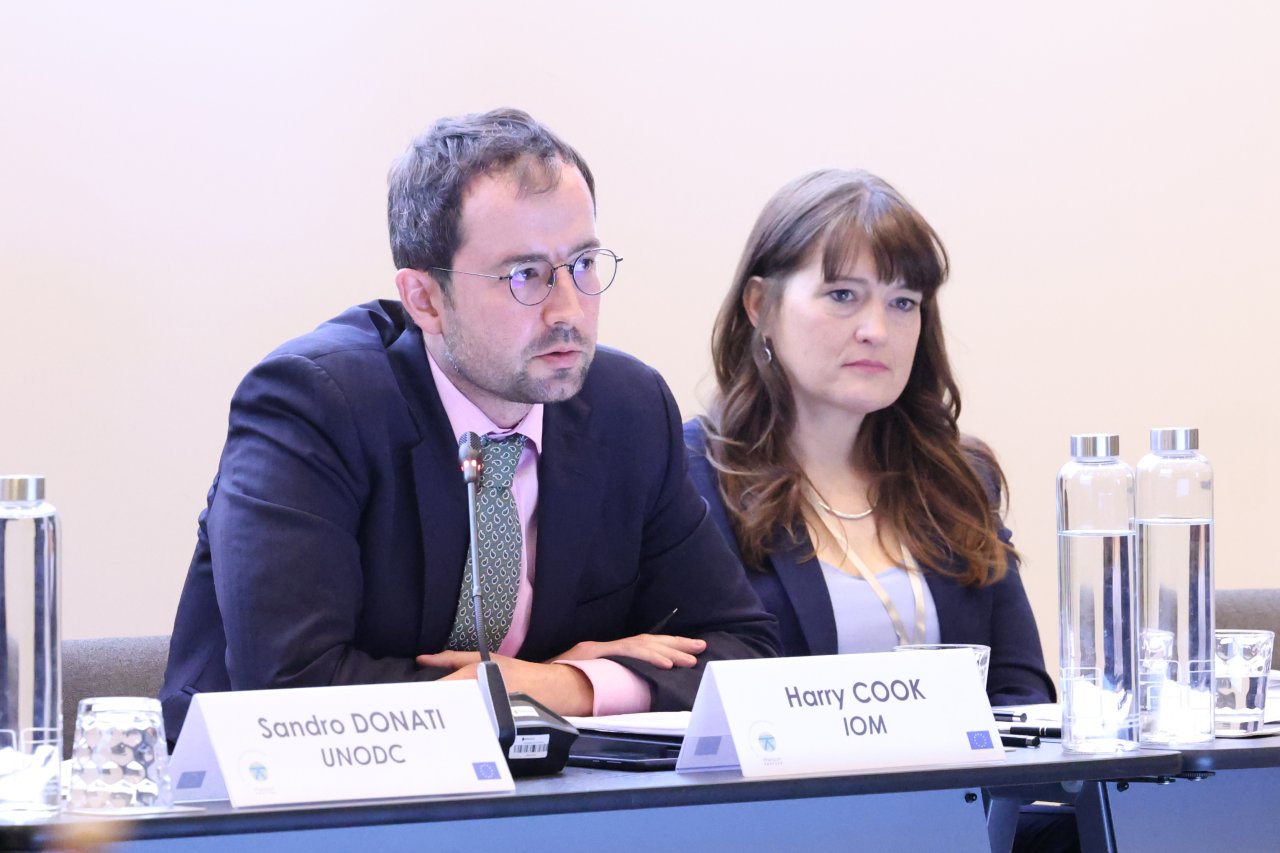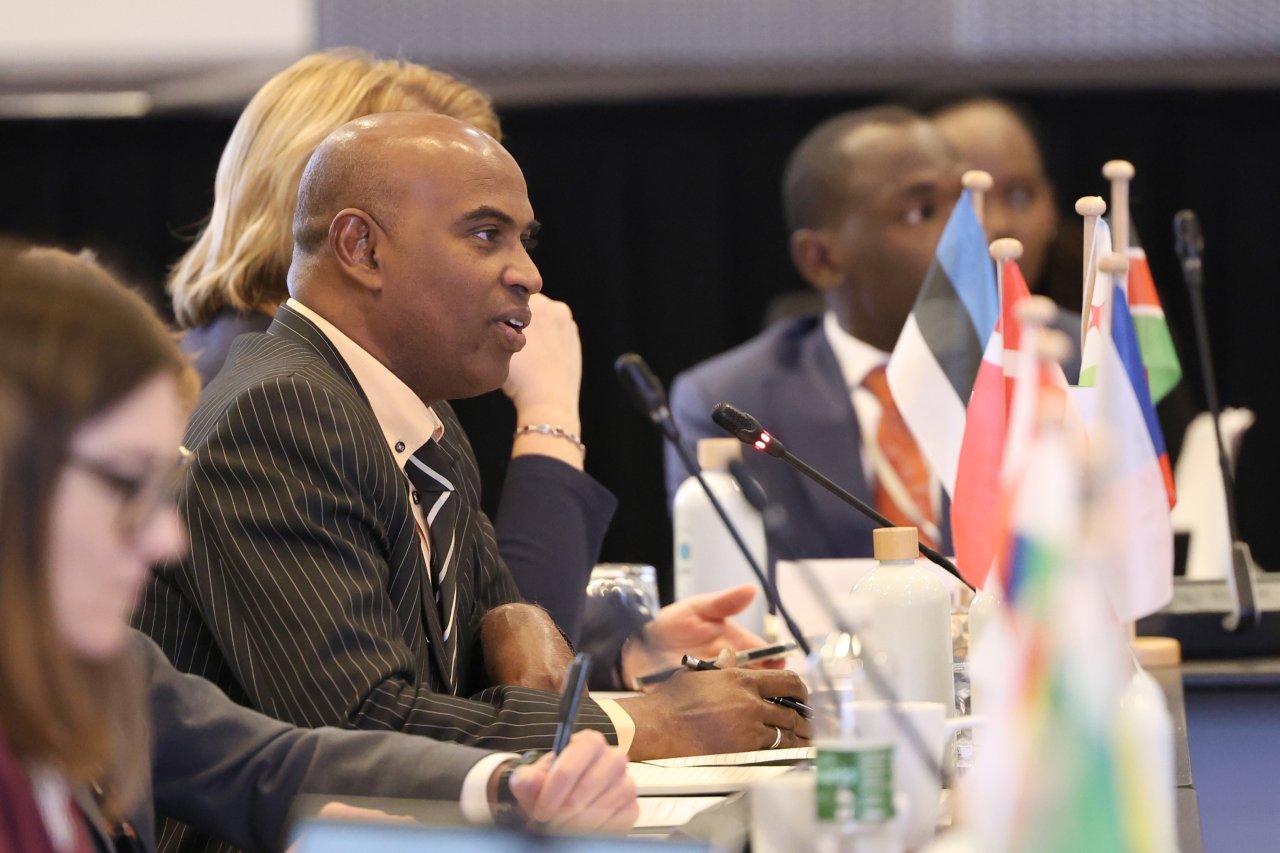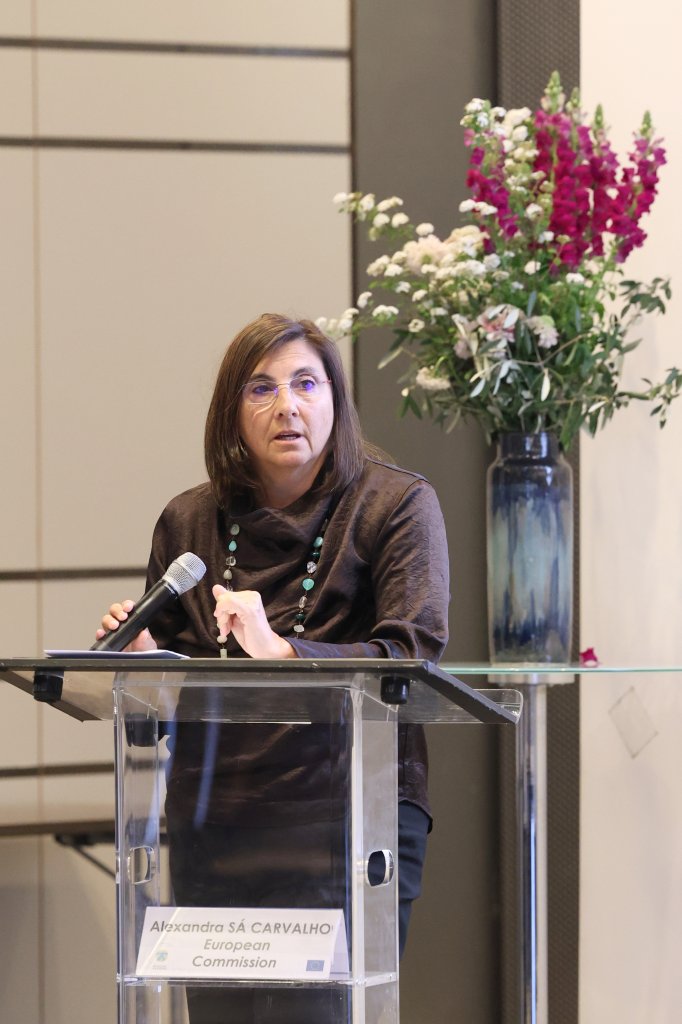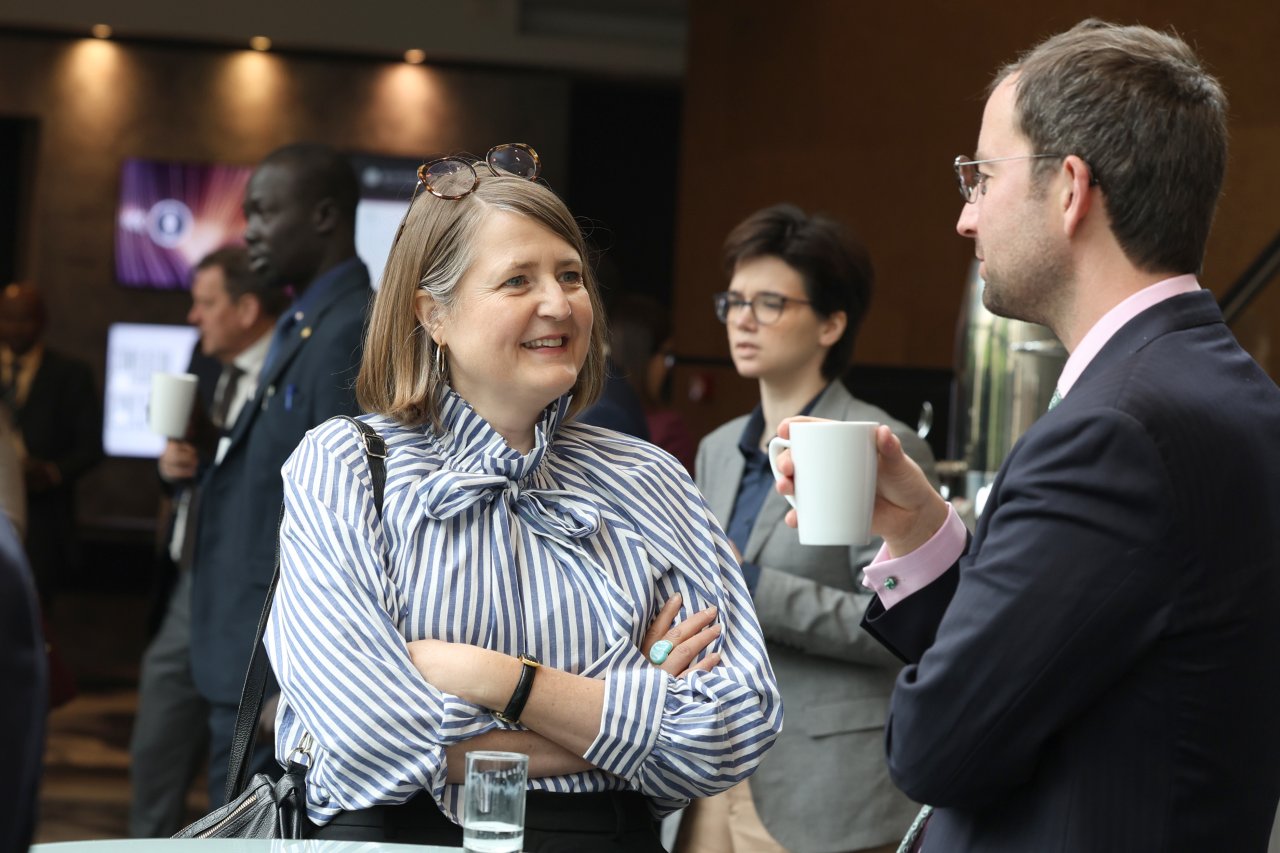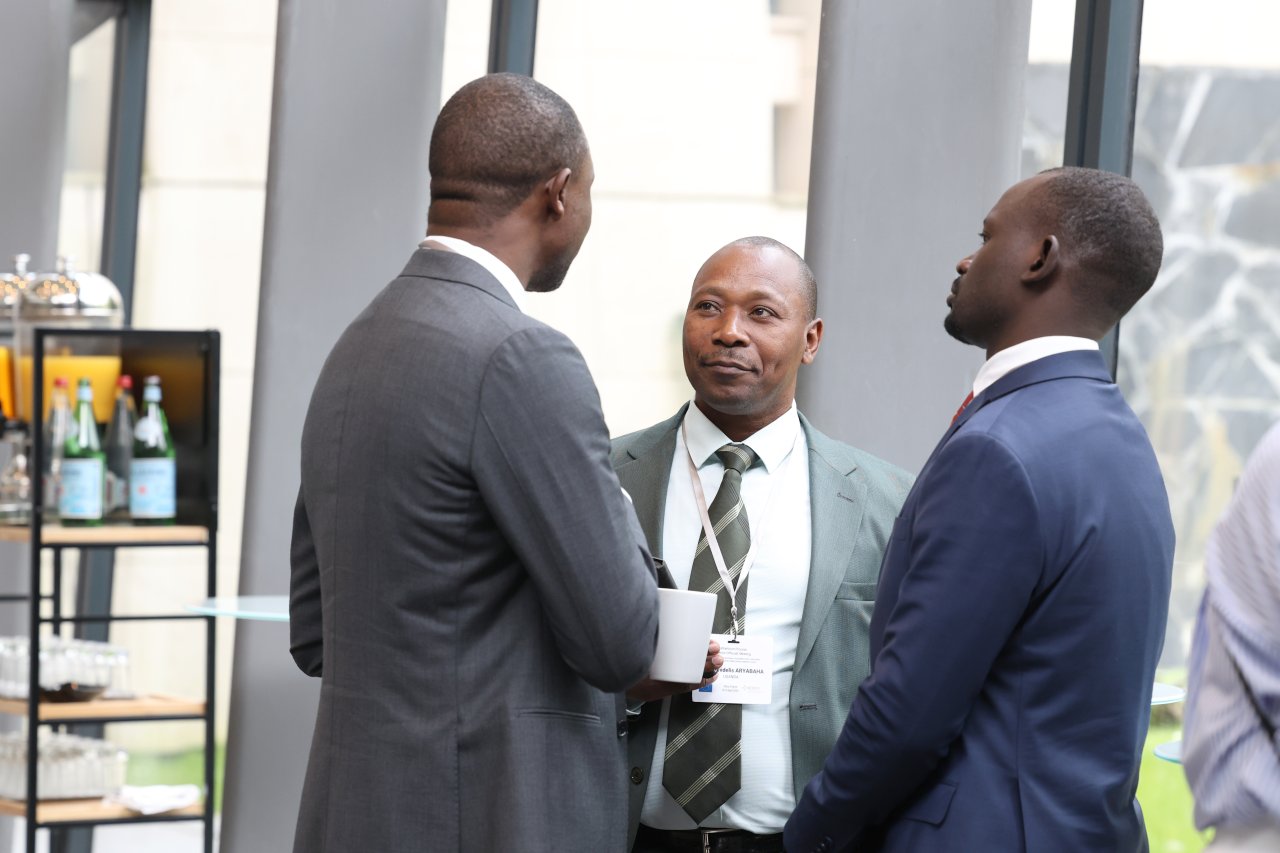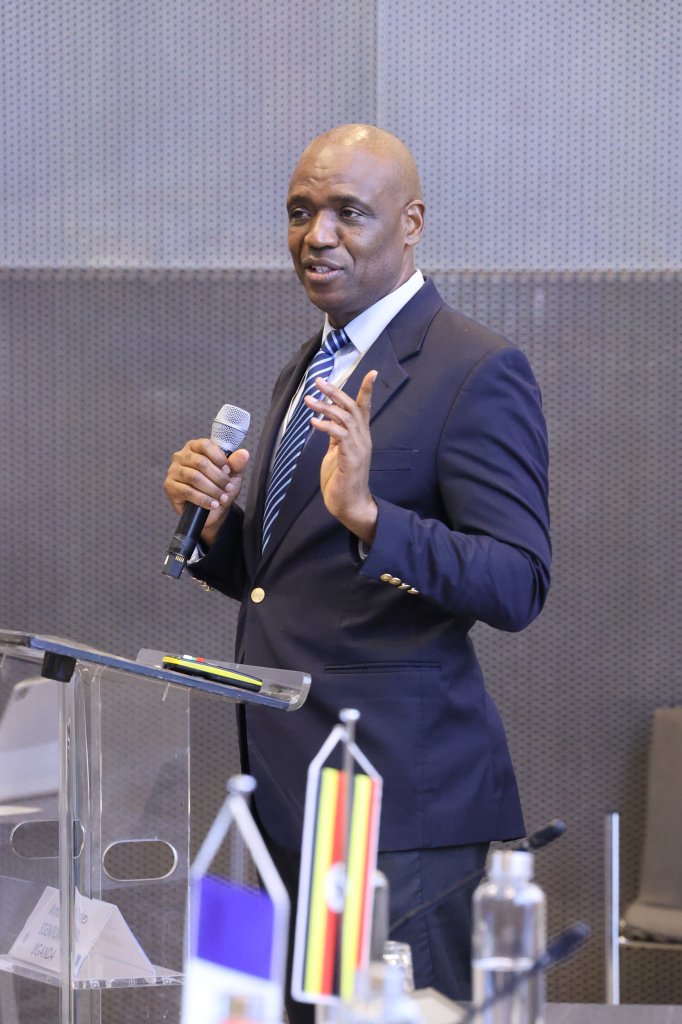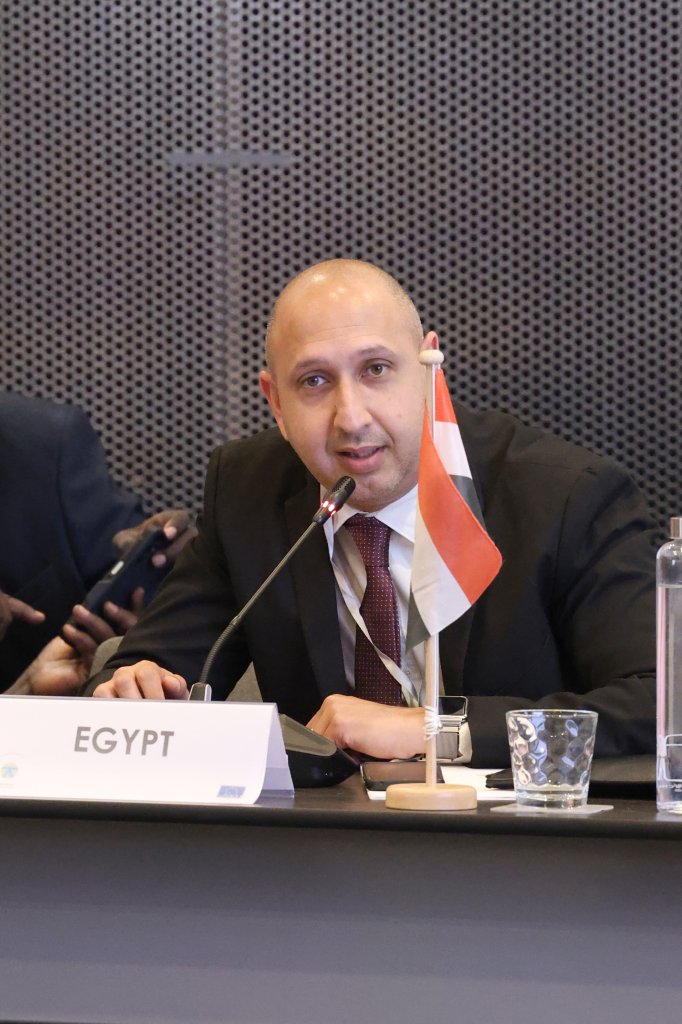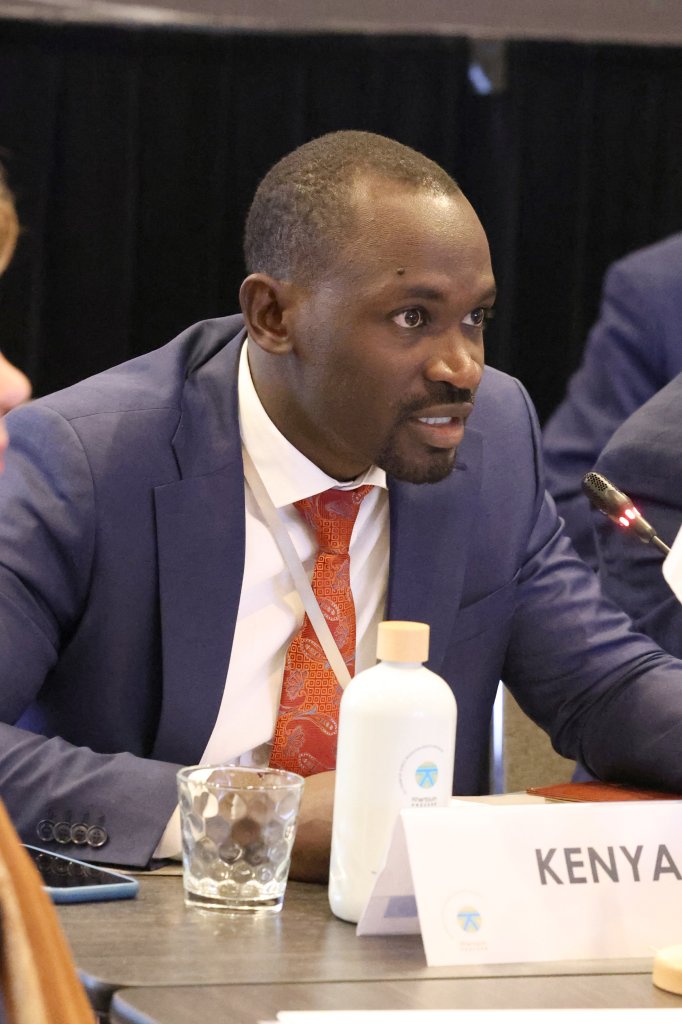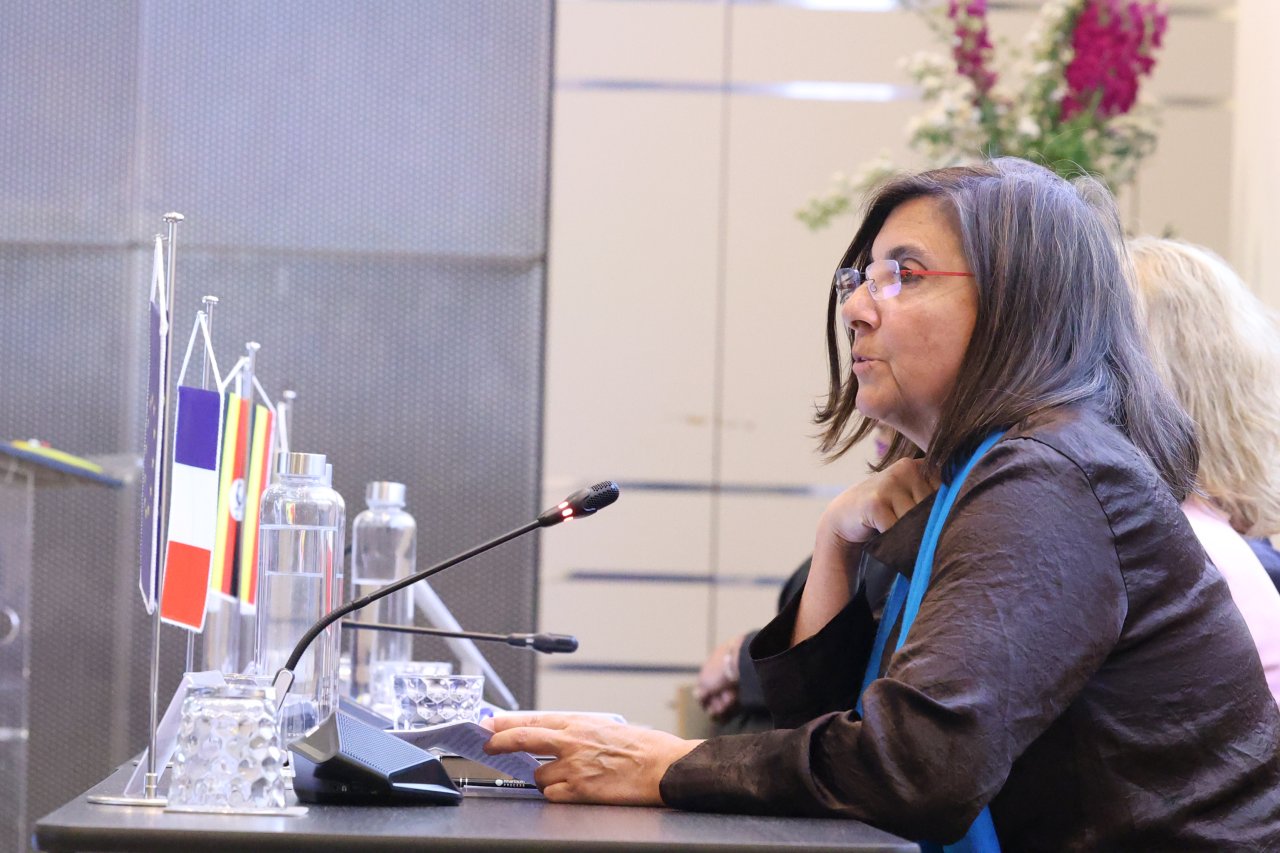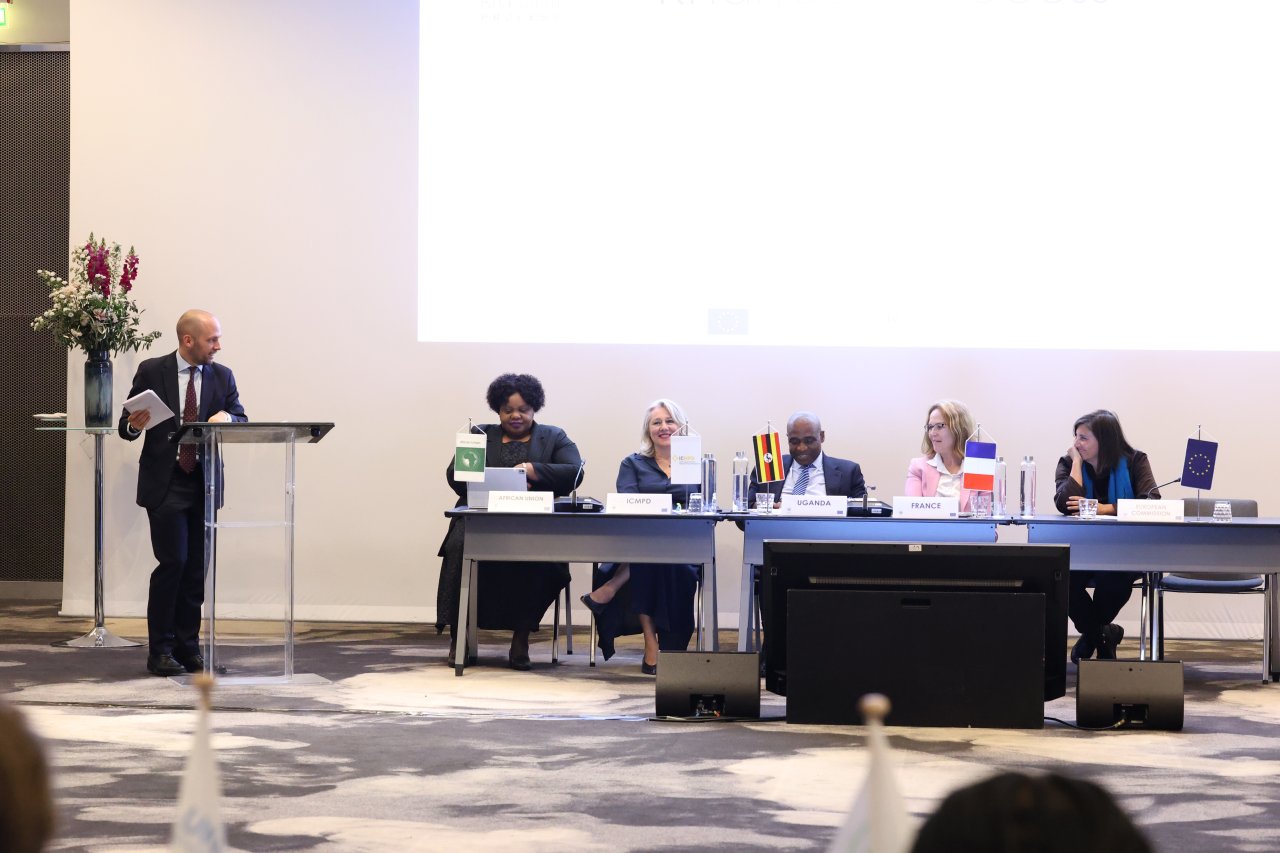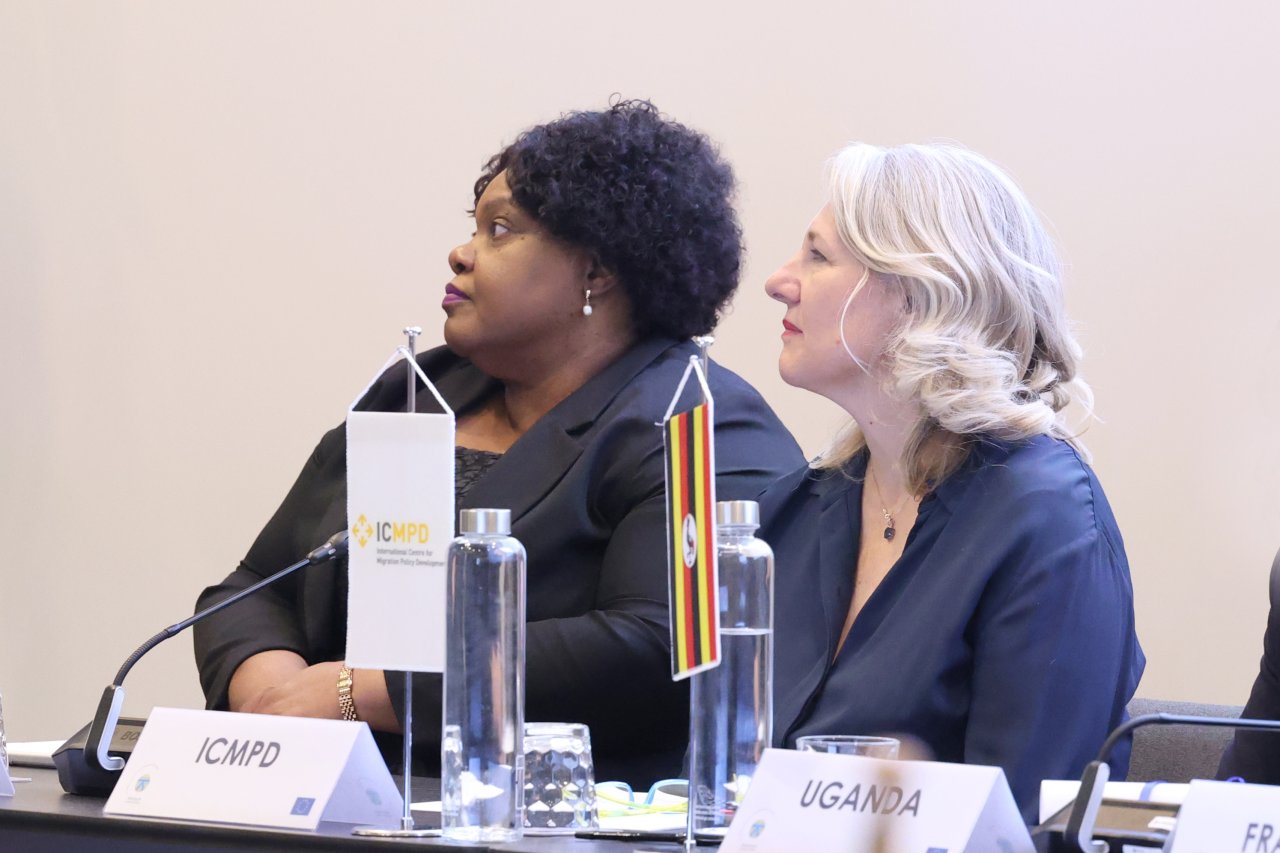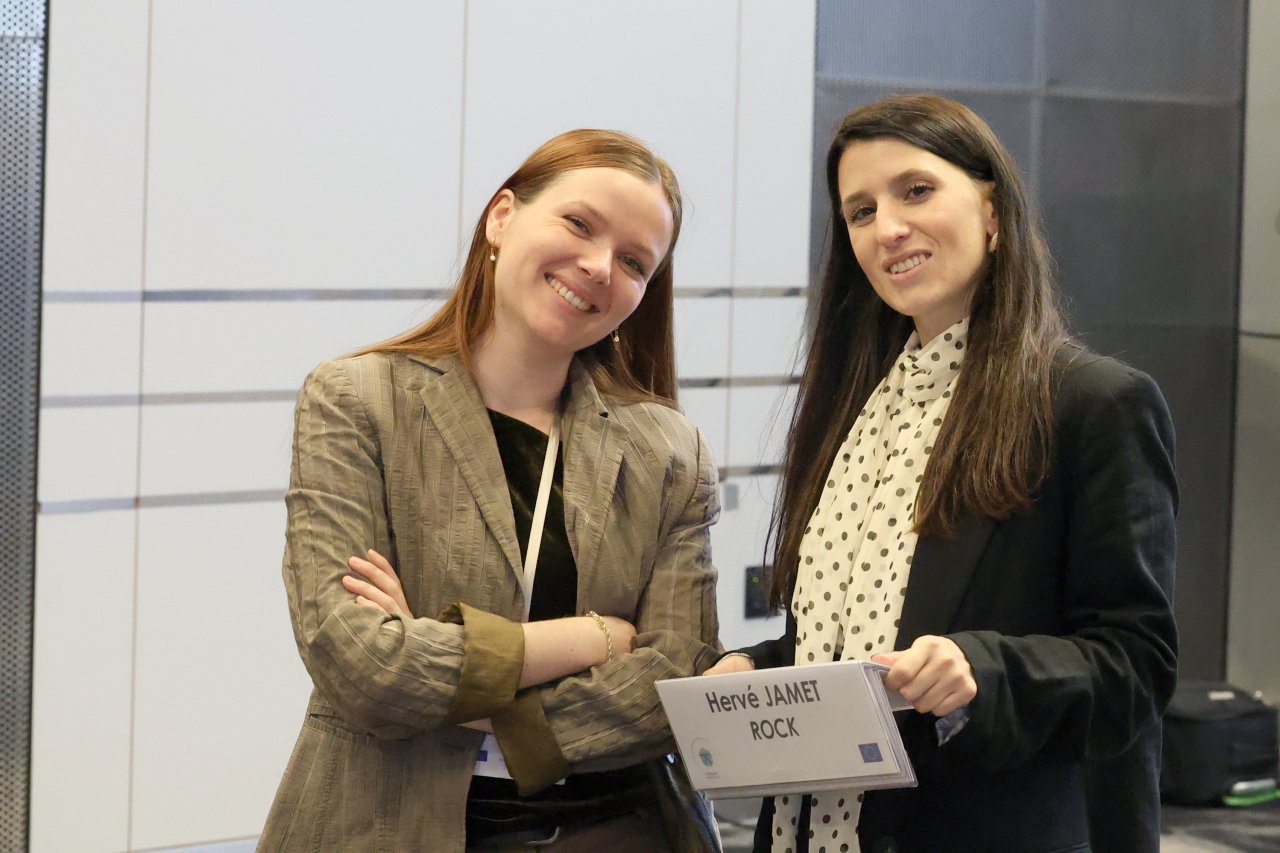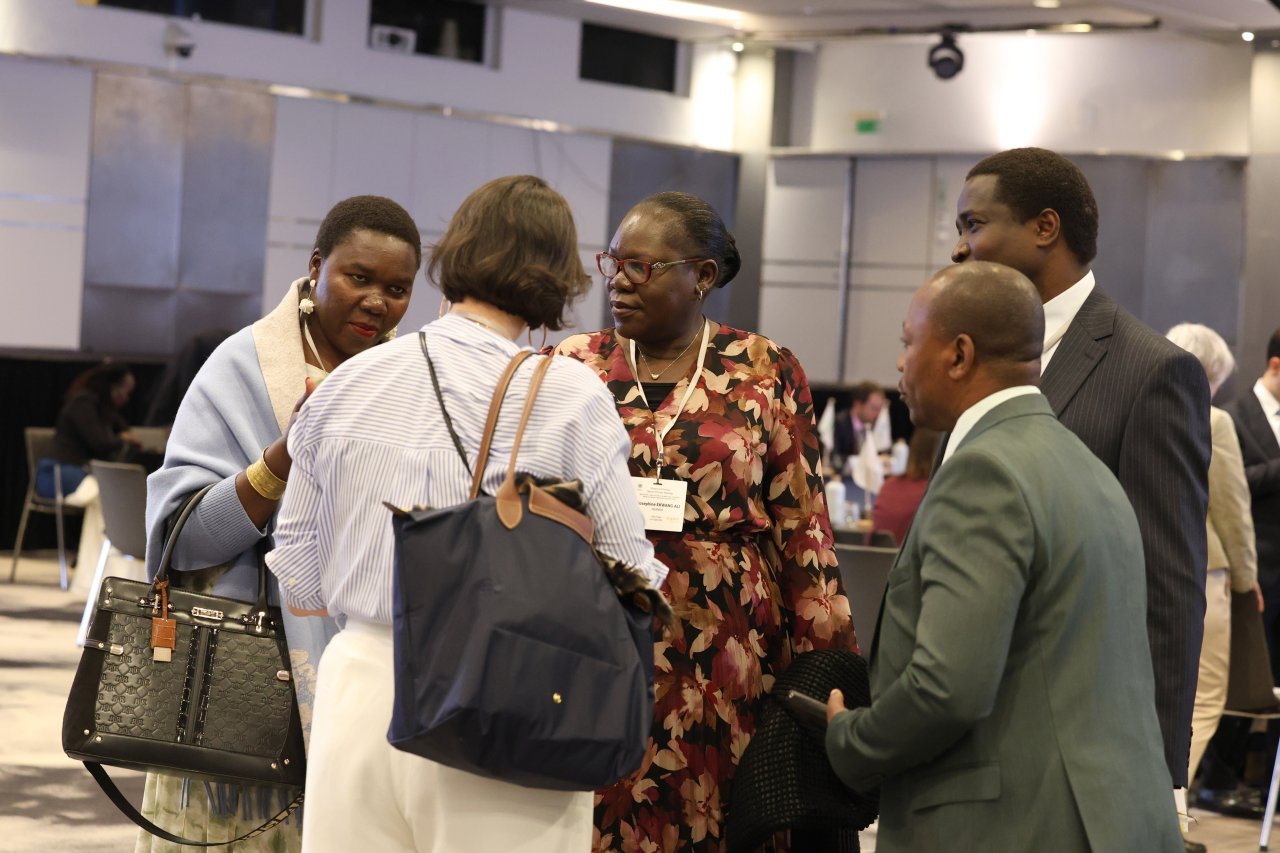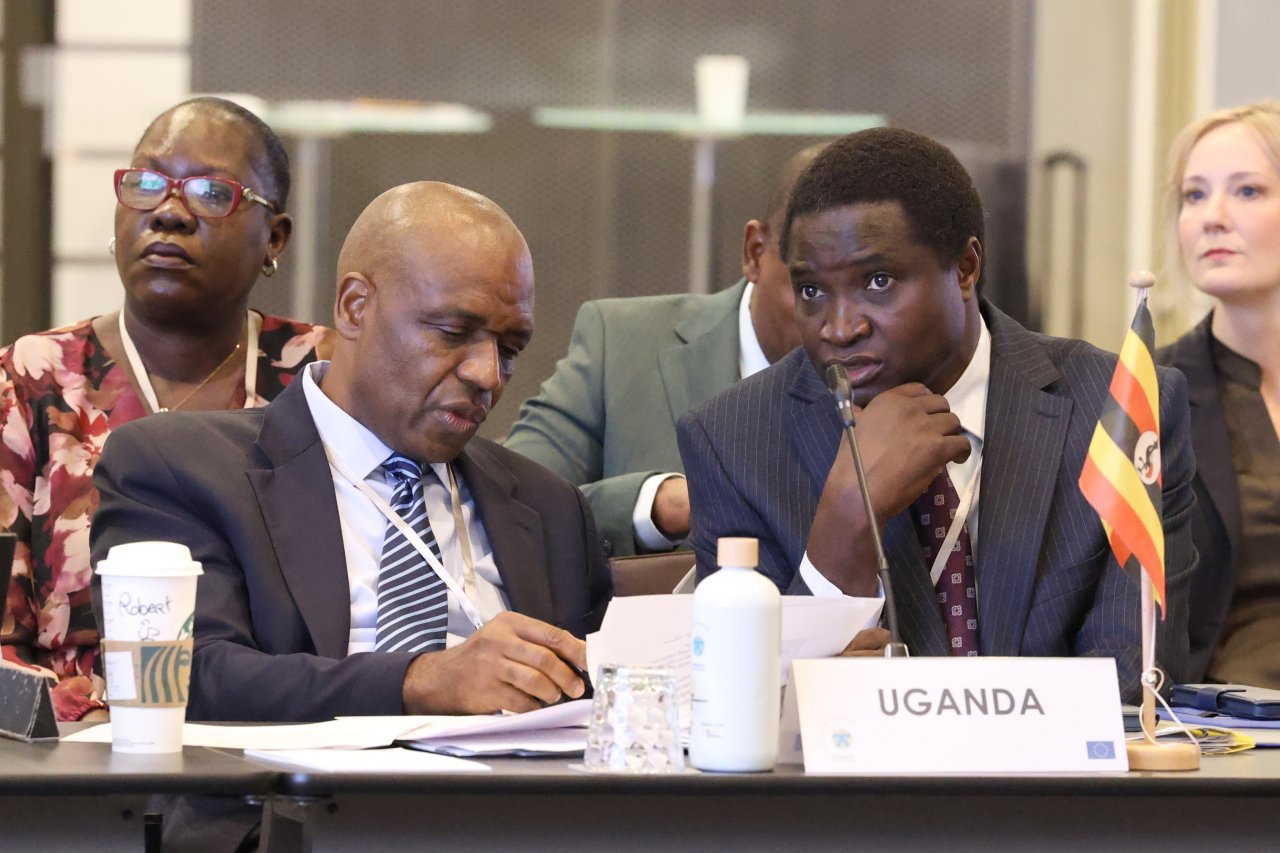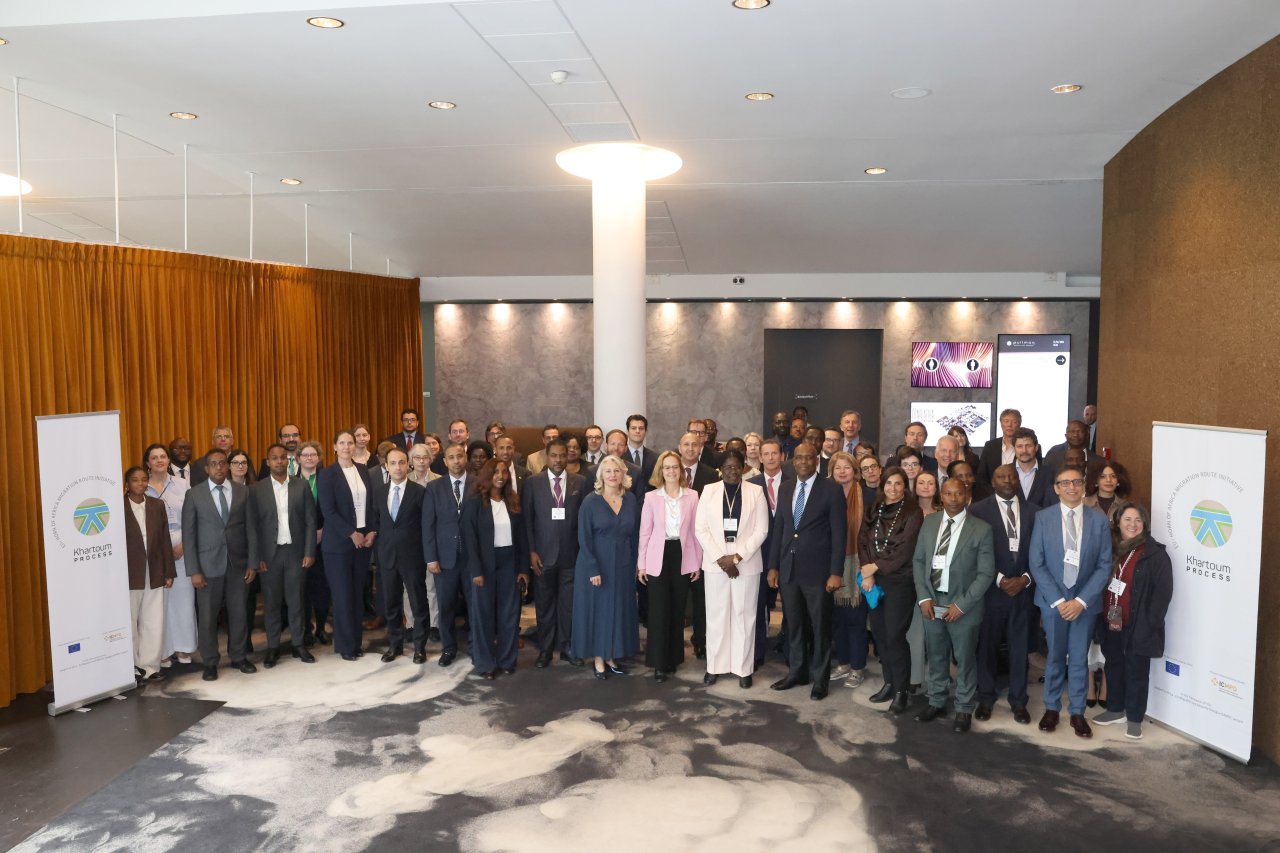
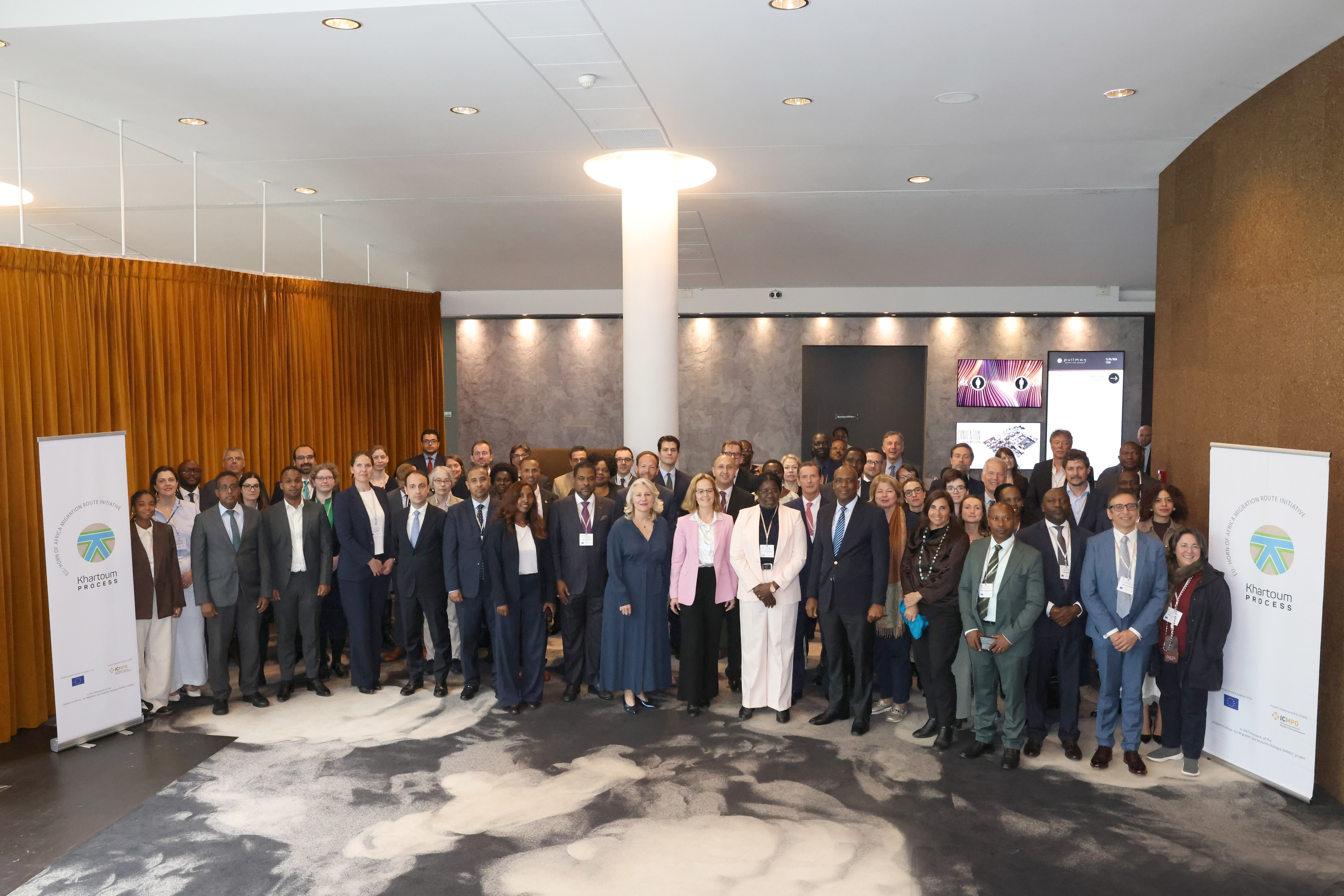
From 13 to 15 April 2026, partners of the Khartoum Process convened in Paris for the 25th Steering Committee (SC) Meeting and the 14th Senior Officials’ Meeting (SOM), hosted by France in its capacity as outgoing Chair. The SOM gathered a total of 85 participants, representing African and European partner countries, as well as the African Union Commission, the European Commission, EU agencies, and seven international organisations, including ICMPD. Discussions were attended by senior officials and key institutional actors, notably Ambassador at Large for Migration Cyrille Baumgartner and Salina Grenet-Catalano, Director for Global Affairs, from the French Chairmanship, as well as Ambassador Charles Ssentongo, representing the incoming Ugandan Chair. Their presence, alongside other high-level representatives, ensured continuity in strategic direction and underscored the multi-level governance approach of the Process.
The Steering Committee meeting, held on 13 April, focused on the strategic direction and governance of the Process. Discussions covered recent developments, including the United Kingdom’s expressed interest in rejoining the Khartoum Process following its withdrawal in the context of Brexit. No objections were raised by members, and it was agreed to proceed through a silence procedure, whereby all Khartoum Process partners have the right to raise objections within the set timeframe, with consultations ongoing on the modalities of the UK’s renewed participation. Uganda, as incoming Chair, presented its priorities and proposed workplan for 2026–2027, outlining a forward-looking approach centred on tackling the root causes of irregular migration, enhancing regional cooperation, and promoting safe and regular migration pathways.
The Senior Officials’ Meeting, held on 14-15 April, marked the formal handover of the Chairmanship and emphasised efforts to reinforce the political relevance of the Dialogue and advance key priorities by showcasing the thematic work on legal identity, missing migrants, legal pathways, and enhanced cooperation with the Rabat Process during the last year. Updates were also provided on key initiatives linked to the Process, including the 2025 Joint Valletta Action Plan (JVAP) data collection cycle, the MMD Grant Facility, the Better Migration Management (BMM) programme, and the Regional Operational Centre (ROCK).
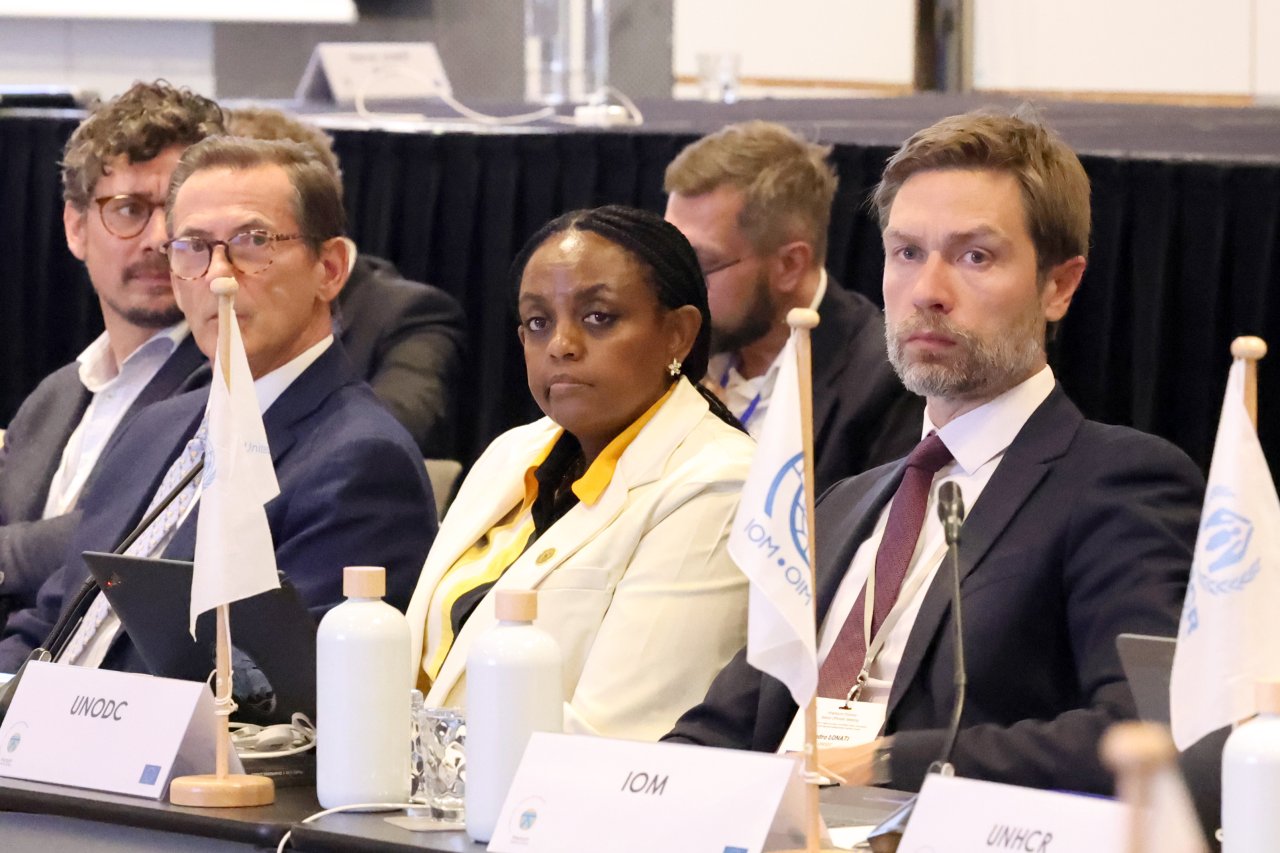
A central feature of this year’s SOM was its thematic focus on the role of information in migration dynamics. Building on the special event “False Promises, Incomplete Truths: Information Quality and Decision-Making along Migration Routes,” held in the morning of the 14th of April and hosted by France, discussions highlighted the impact of information ecosystems, including misinformation and disinformation, on migrants’ decision-making processes. Contributions from international organisations, including UNODC, IOM, UNHCR, as well as the European Commission, enriched the exchanges on data, trends, policy interventions and protection challenges across the region.
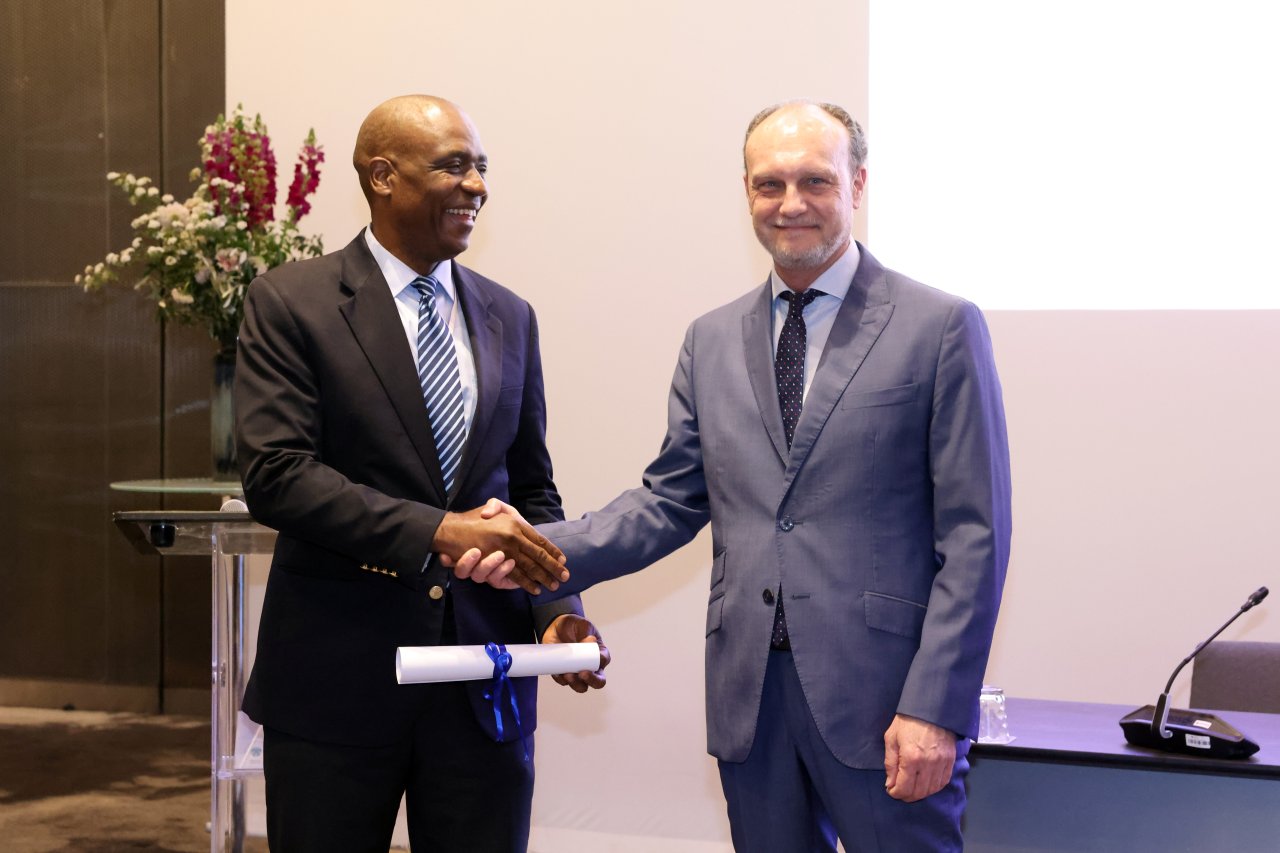
The second day of the SOM also featured the formal handover of the Chairmanship from France to Uganda. Building on its earlier presentation, Uganda outlined a comprehensive vision for its tenure, aligned with the Cairo Action Plan. Emphasising its role as the largest refugee-hosting country in Africa, Uganda underscored the importance of addressing drivers of displacement, strengthening regional security cooperation, and expanding access to regular migration opportunities. It also highlighted the need to improve access to reliable information on migration pathways and to reinforce cooperation frameworks for return and reintegration.
The meetings in Paris underscored the continued relevance of the Khartoum Process as a leading interregional platform for political dialogue, strategic coordination, and operational cooperation between Africa and Europe. Against a rapidly evolving regional and global landscape, partners reaffirmed their shared commitment to advancing a coherent and balanced migration agenda, building on the foundations laid by the Rome Declaration, the Joint Valletta Action Plan, and the Cairo Action Plan.