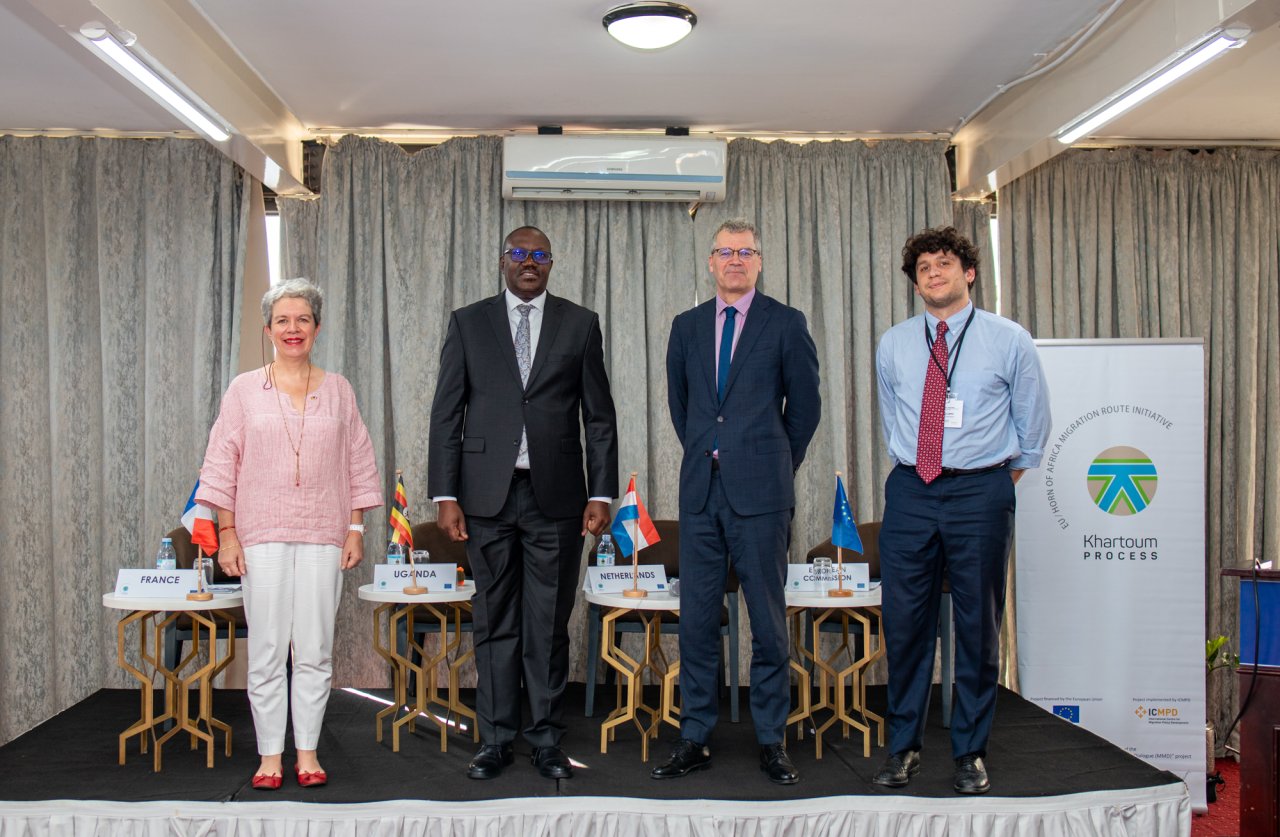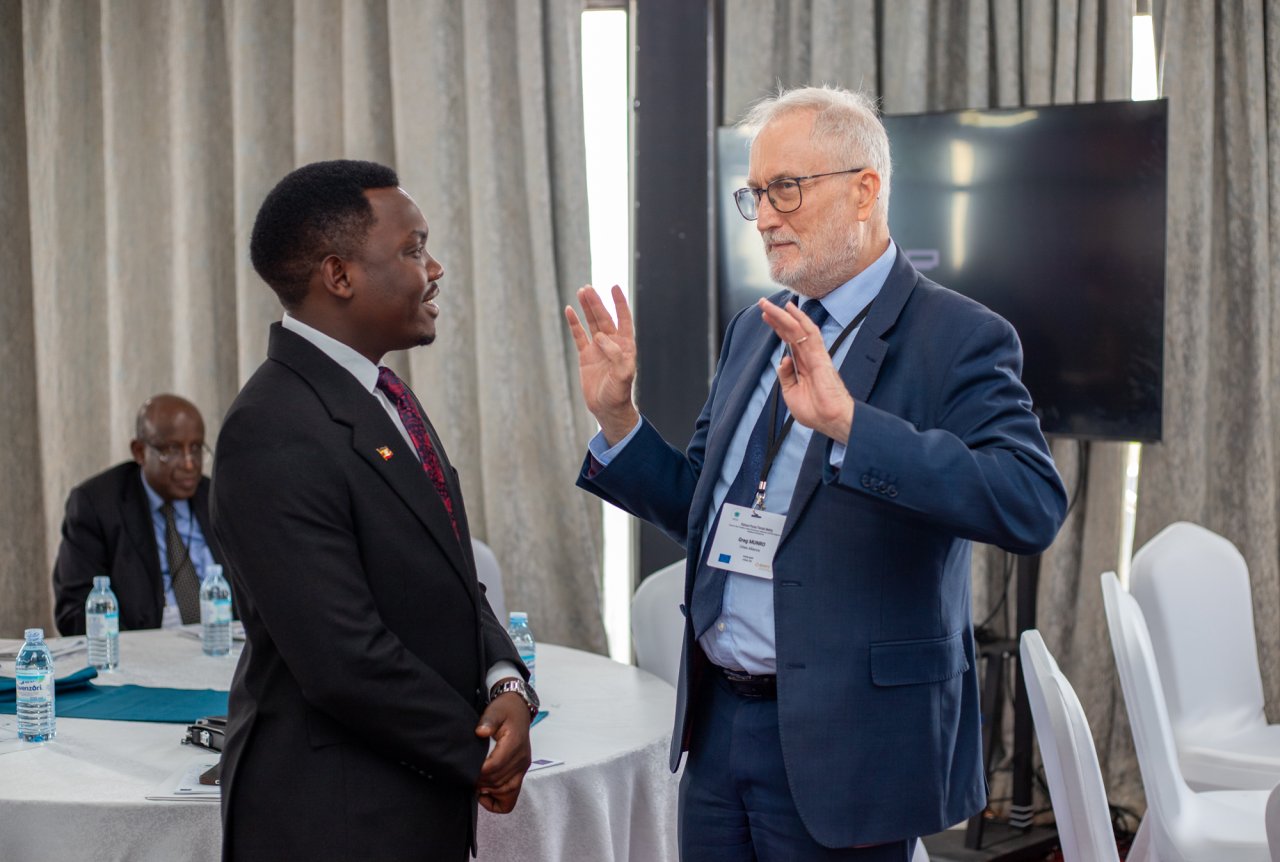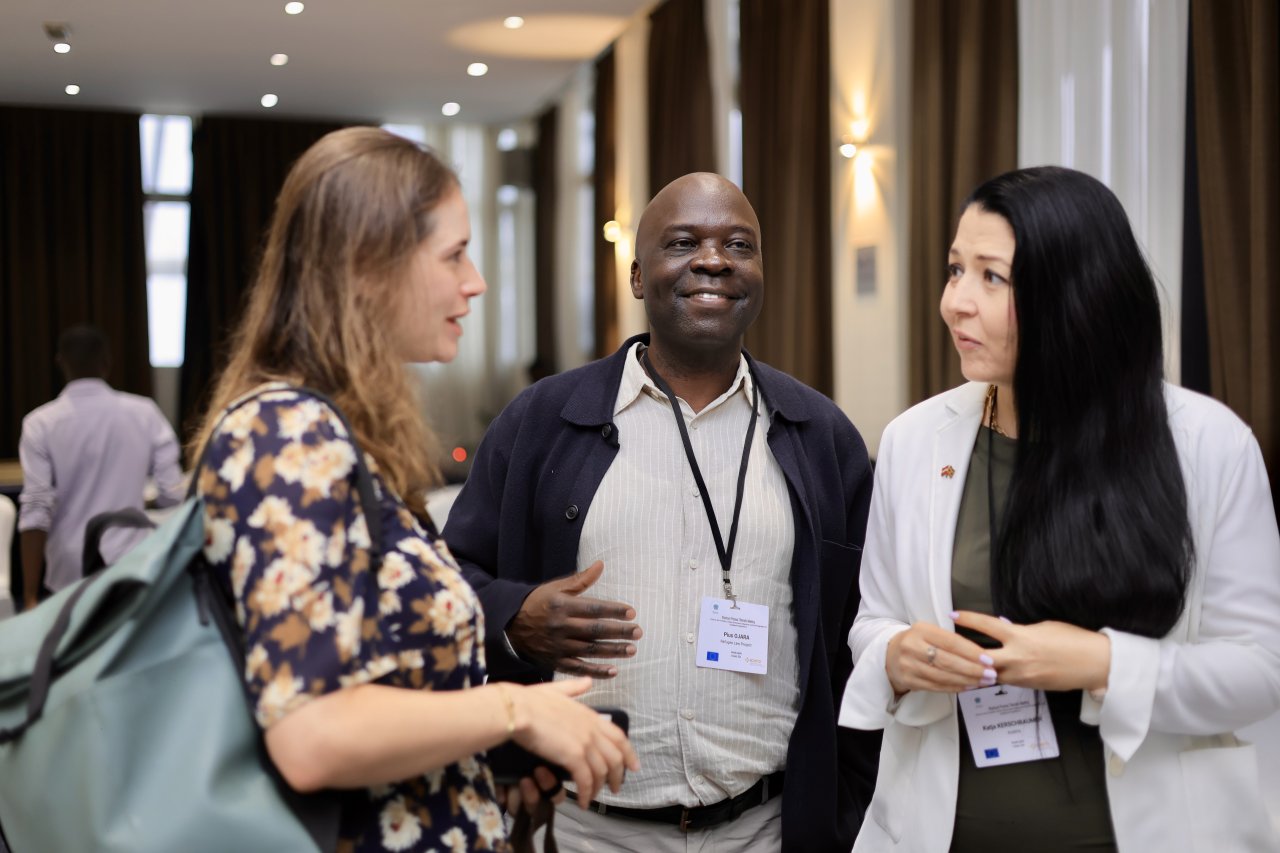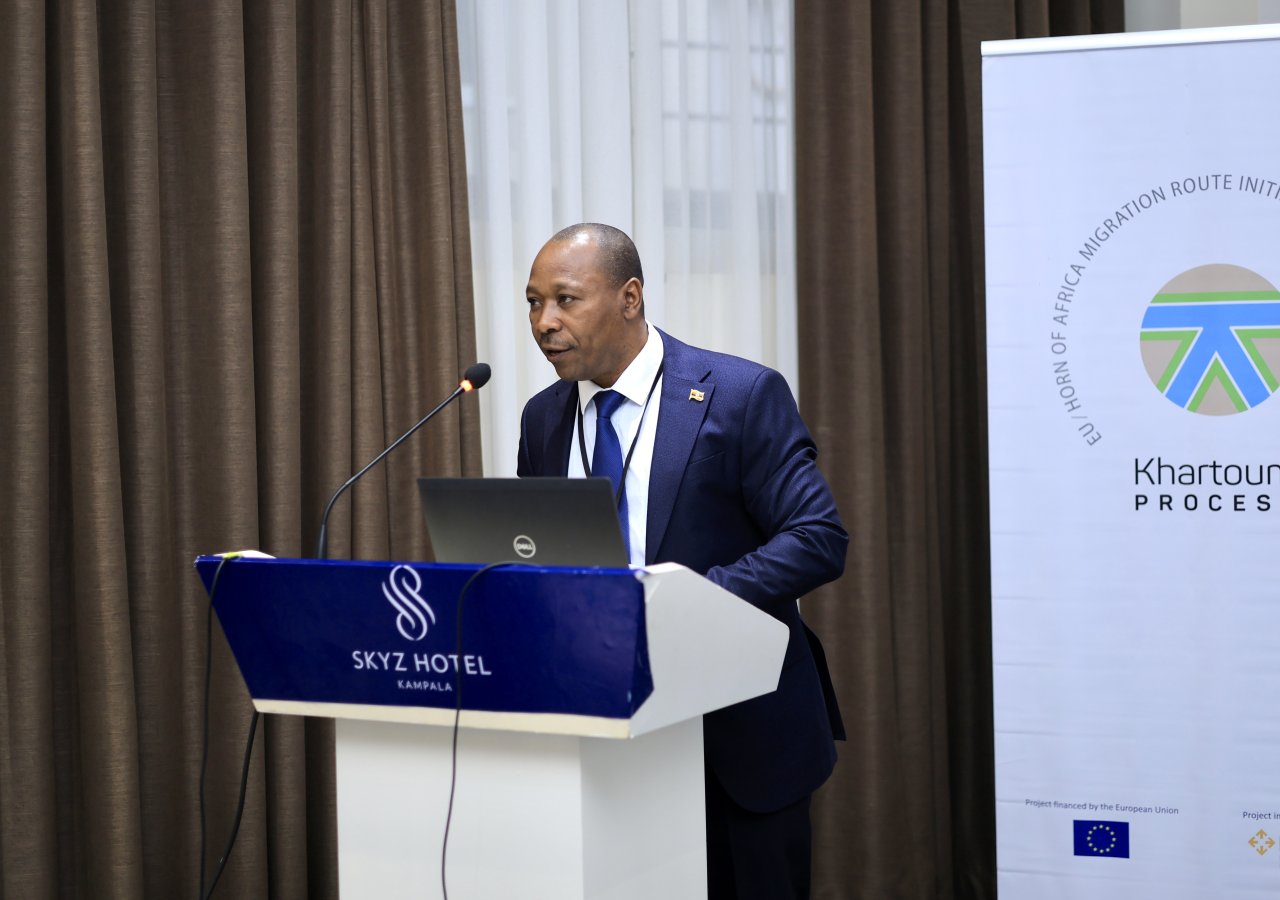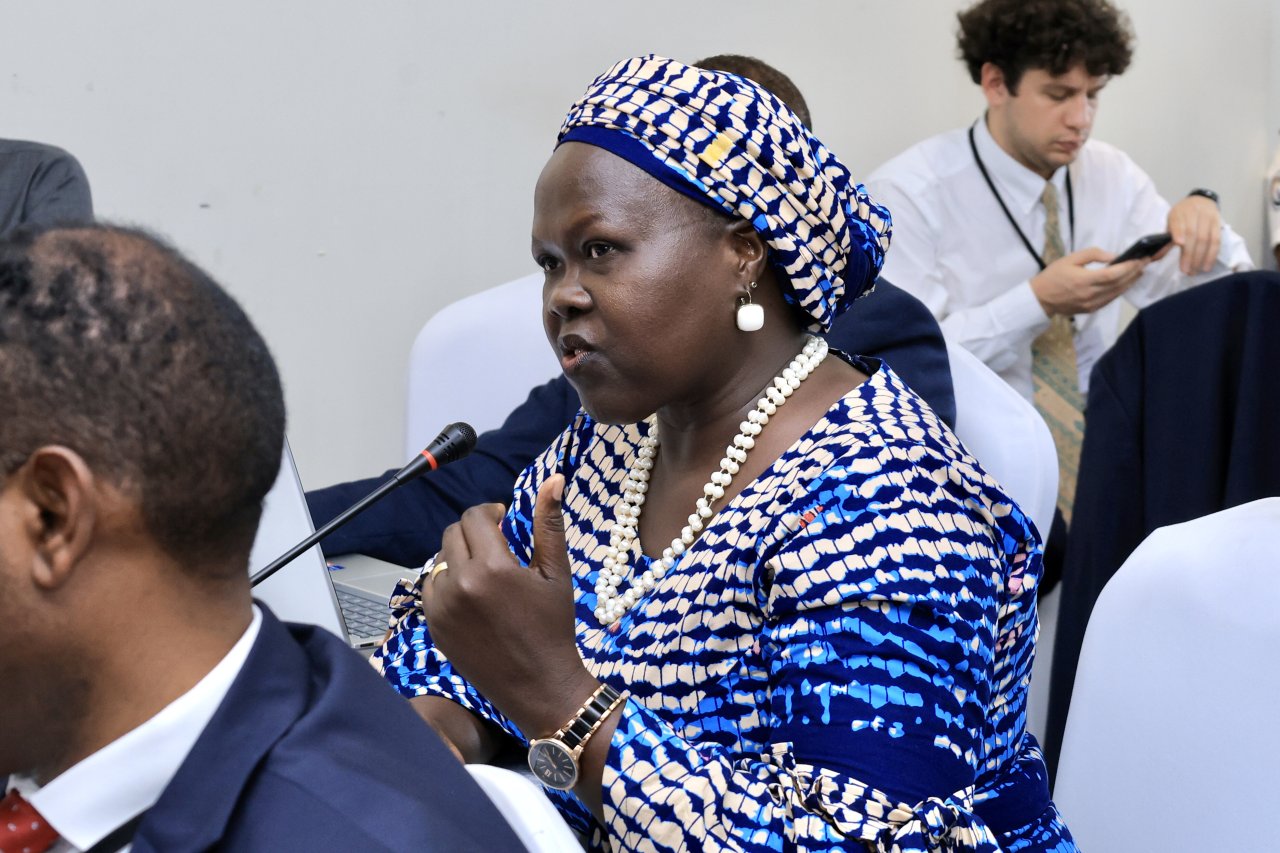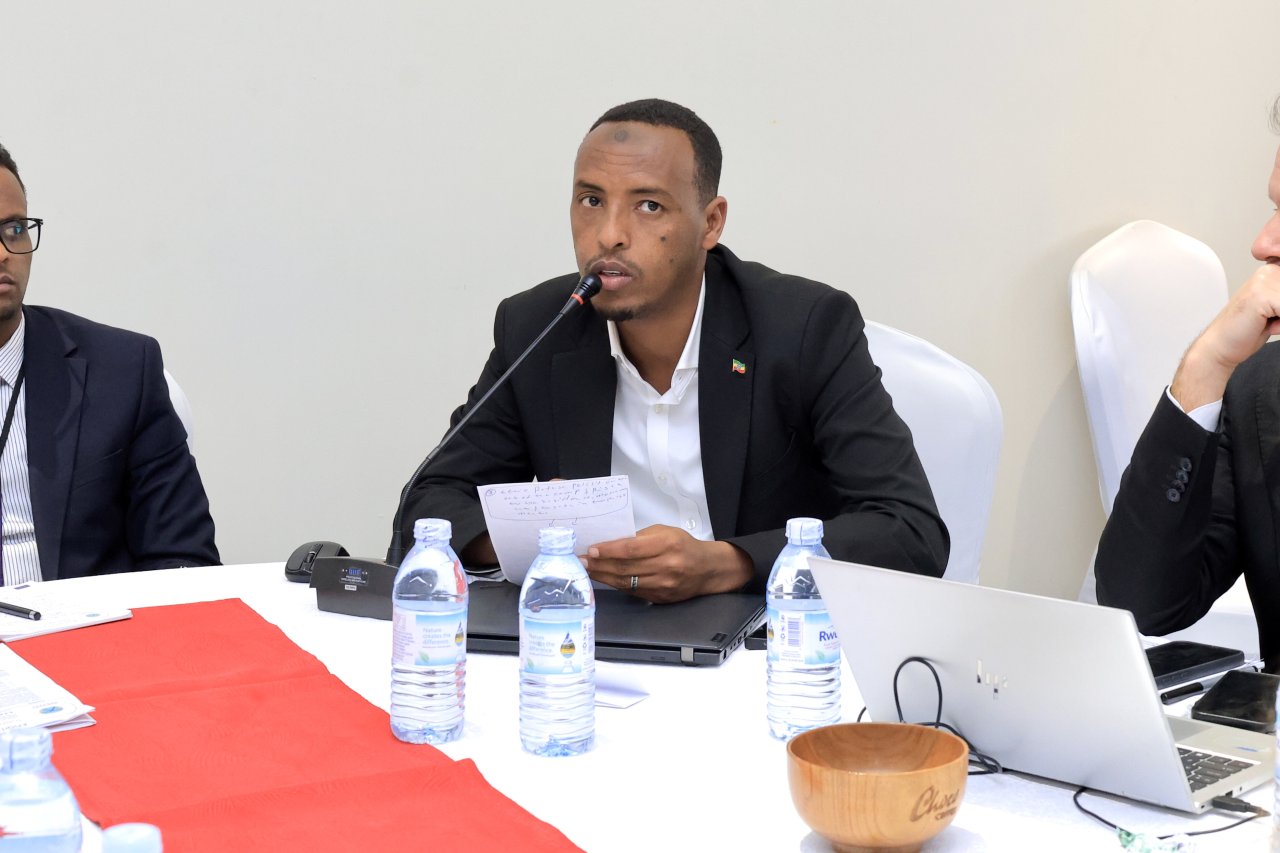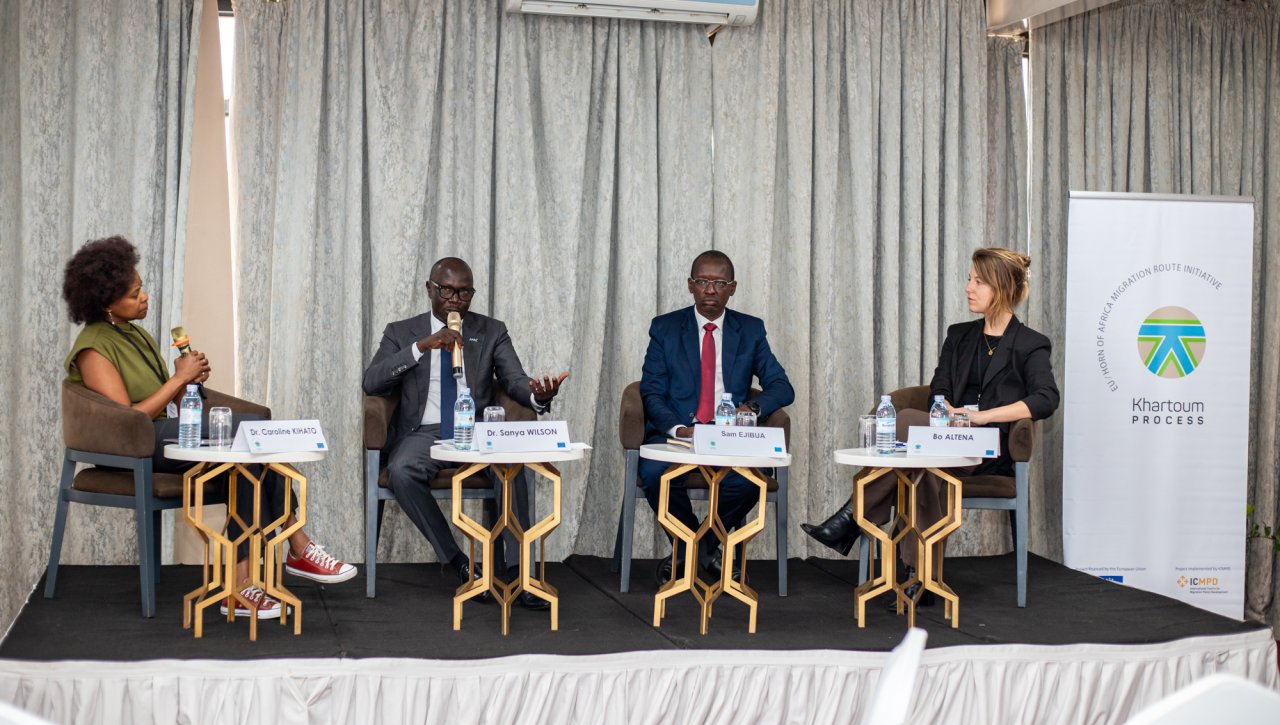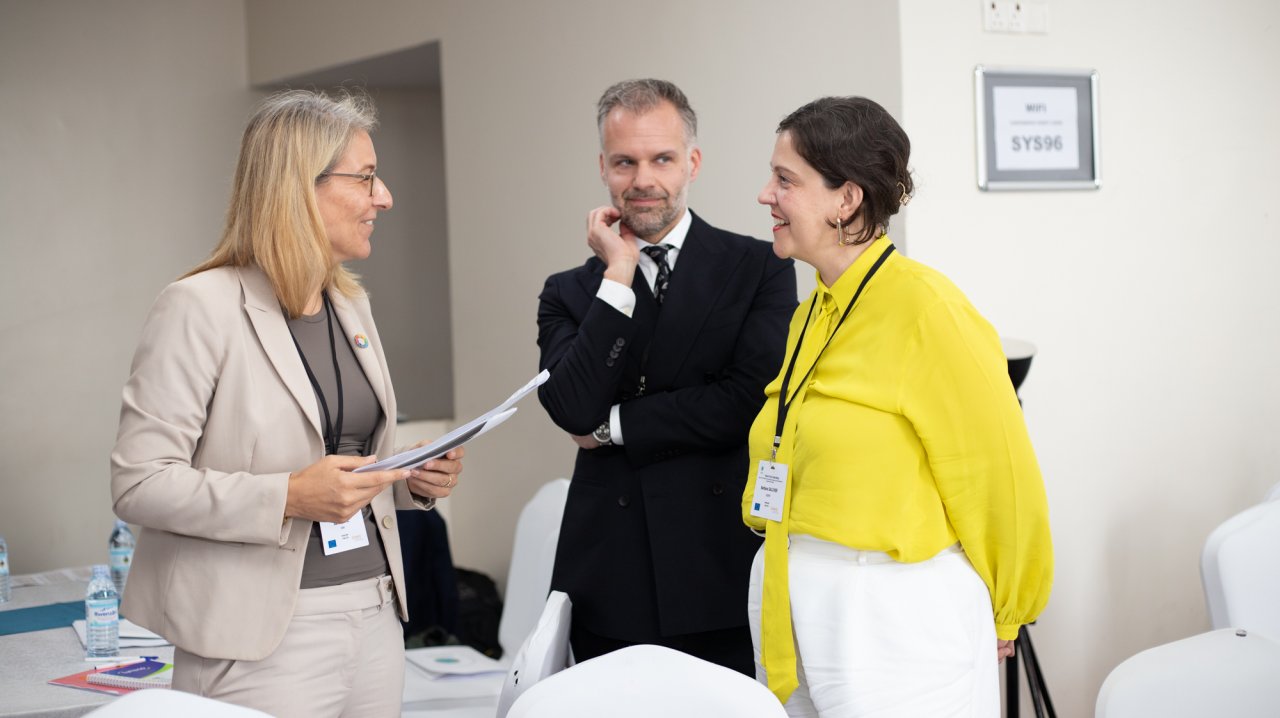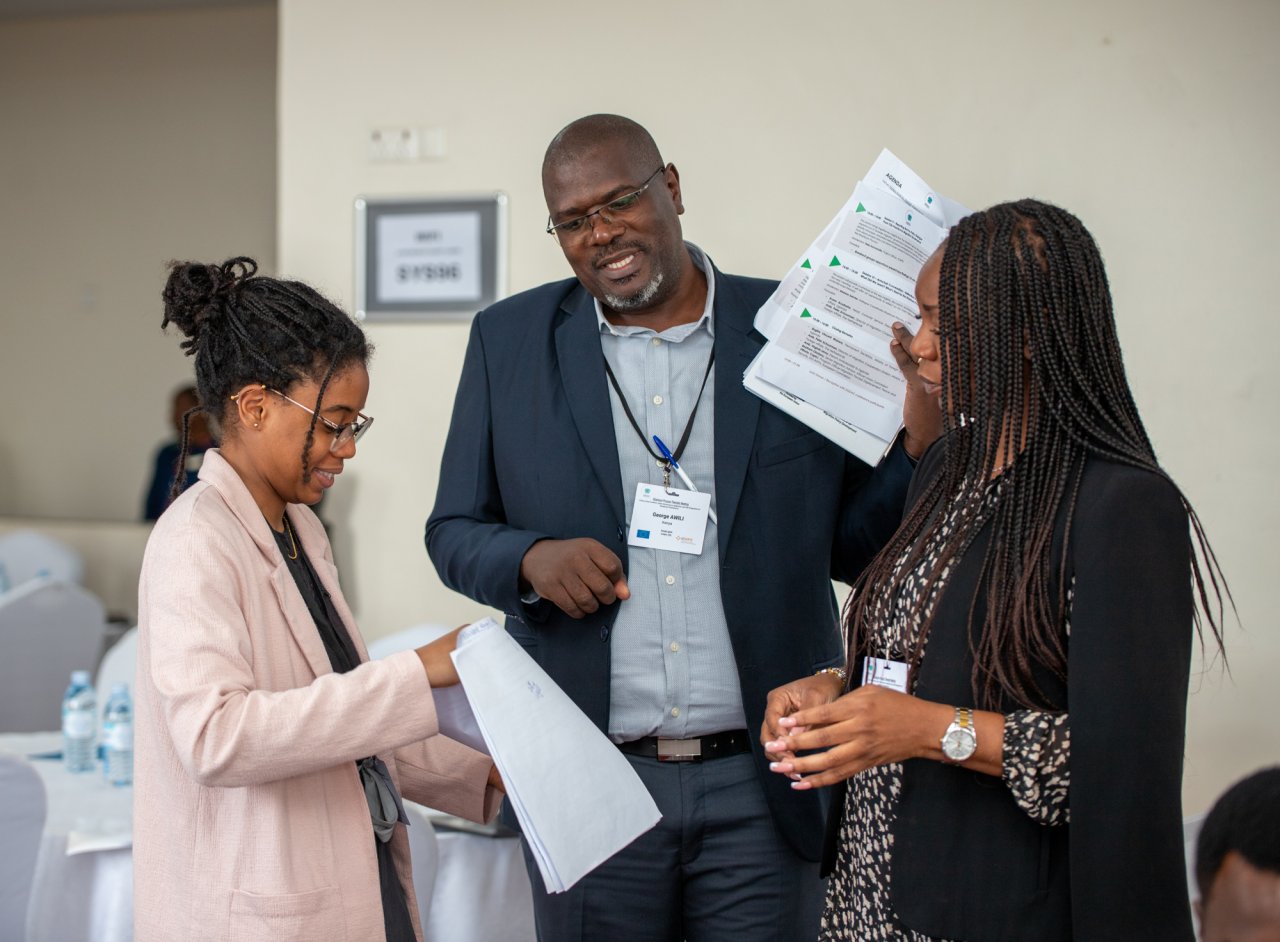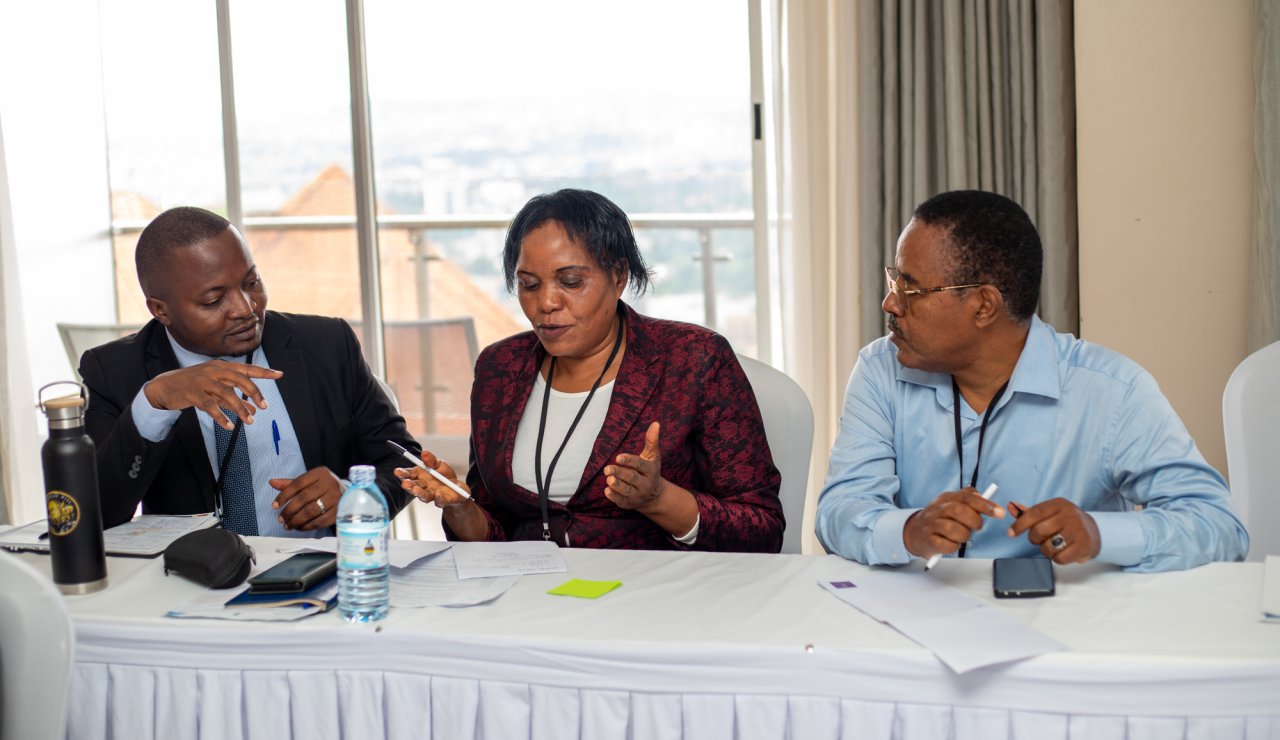
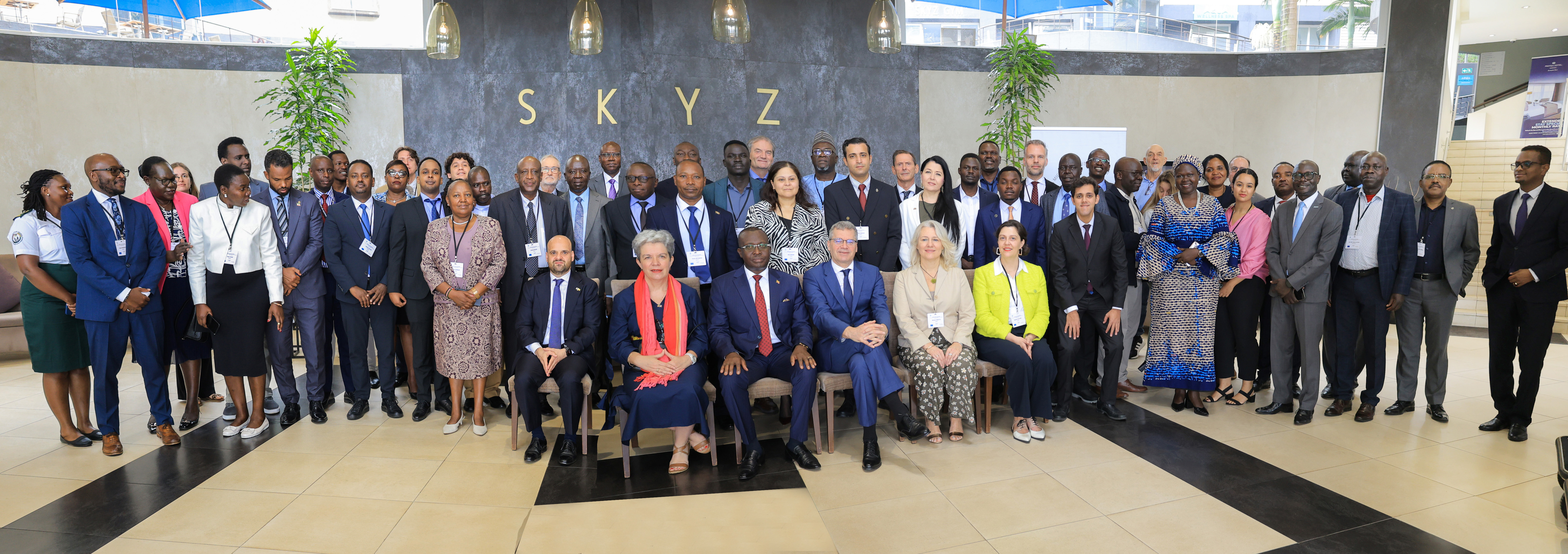
The Khartoum Process Thematic Meeting “Cities at the Frontline: Urban Governance, Migration and the Integration of Displaced Populations” took place on 3–4 March 2026 in Kampala, Uganda, under the Chairmanship of France, hosted by Uganda and co-hosted by the Kingdom of the Netherlands. The meeting was co-organised with Cities Alliance under the SUIDAC project, bringing together 85 participants representing Khartoum Process Member States, the European Union, international organisations, civil society, academia, and municipal authorities.
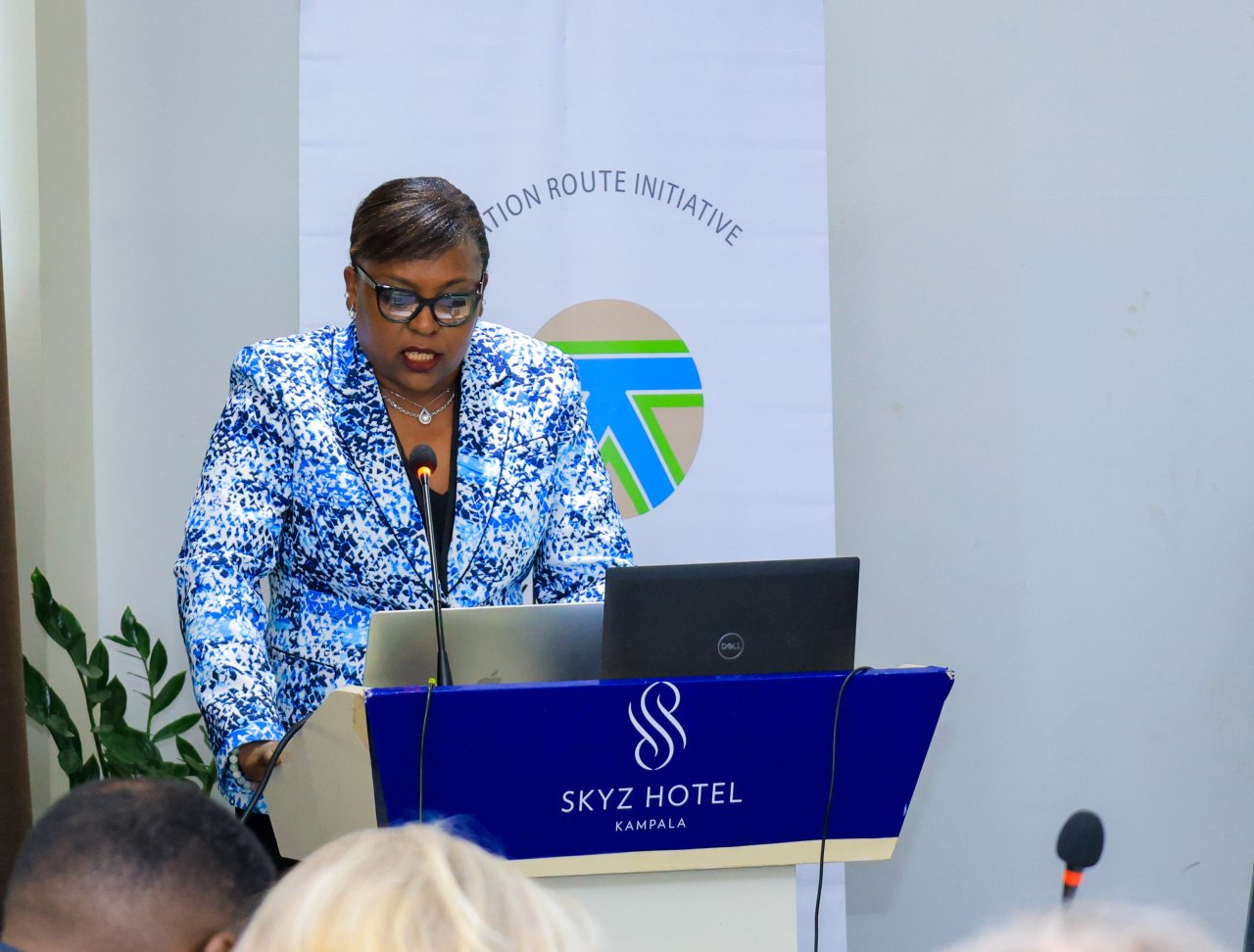
The meeting placed cities at the centre of dialogue on migration governance, recognising that urban areas increasingly serve as places of arrival, settlement, and long-term integration for refugees, internally displaced persons (IDPs), and other displaced populations. As highlighted during the opening remarks, cities are spaces where policy commitments meet everyday realities, and where inclusive governance can foster resilience, opportunity, and social cohesion for both displaced populations and host communities.
Cities as Key Actors in Migration Governance
Across the two-day meeting, participants explored how municipalities operate at the intersection of urbanisation, migration, displacement, and climate change, and how they can be better supported as partners in multi-level migration governance. Discussions highlighted the need to strengthen coordination between national authorities, municipalities, and international partners while embedding urban perspectives within broader migration governance frameworks.
Meeting’s conversations examined the legal, policy, and institutional frameworks shaping urban responses to migration and climate mobility, and explored practical experiences from cities in delivering inclusive services, supporting livelihoods, and promoting social cohesion. Participants emphasised that cities are not only sites where migration is experienced, but also laboratories of innovation where locally driven solutions can emerge.
From Fragmented Responses to Coordinated Urban Governance
A key theme emerging from discussions was the need to move beyond short-term humanitarian responses and reposition cities as long-term spaces of opportunity, inclusion, and economic participation. Participants highlighted that urban integration requires coordinated approaches linking housing, livelihoods, service delivery, and social cohesion. At the same time, cities often face structural constraints, including limited financial resources, data gaps, and fragmented governance arrangements.
Climate mobility also featured prominently in the dialogue. Participants noted that climate change is increasingly shaping mobility patterns and placing additional pressure on urban systems, requiring integrated approaches that link urban planning, resilience-building, and migration governance at local level.
Cities in Action: Partnerships for Inclusive Urban Responses
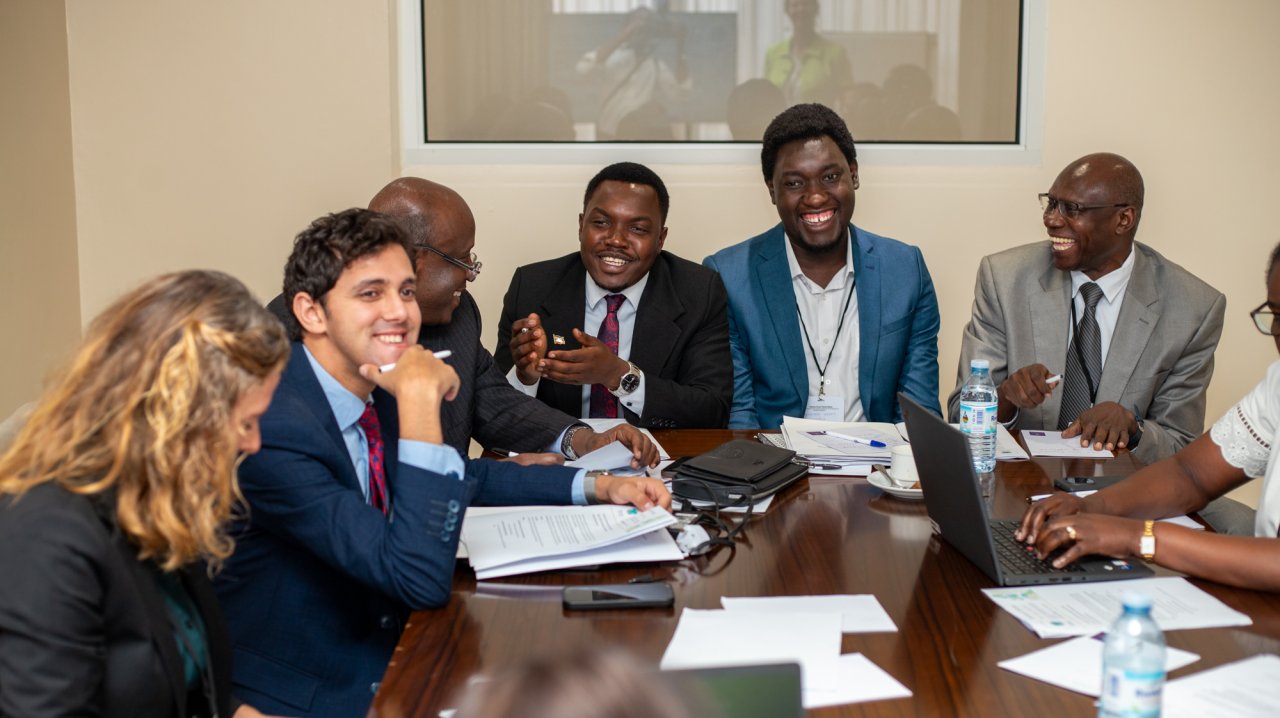
The meeting combined policy dialogue, case studies, and interactive breakout discussions, allowing participants to exchange experiences and identify practical approaches to urban integration, climate resilience, and city-level governance. Working groups explored issues such as service delivery and housing, climate adaptation and displacement, and financing and data systems for cities.
Throughout the discussions, participants emphasised the importance of strengthening partnerships between municipalities, national governments, international organisations, development actors, and civil society. Investing in cities, improving data systems, and enabling sustainable financing mechanisms were identified as key priorities for supporting inclusive and resilient urban responses.
Advancing the Urban Dimension of the Khartoum Process
The Kampala meeting builds on previous Khartoum Process discussions, including the 2022 Thematic Meeting on Climate Change and Migration in Addis Ababa, which first highlighted the importance of integrating urban planning into migration and climate governance. The 2026 meeting further advanced this agenda by focusing on the practical role of cities as frontline actors in migration governance.
Participants reaffirmed the Khartoum Process as a platform for dialogue and cooperation between African and European partners, supporting more coherent, inclusive, and development-oriented migration governance. The meeting concluded with a shared understanding that strengthening the role of cities—through policy alignment, partnerships, and investment—will be essential for addressing displacement and mobility in rapidly urbanising contexts.