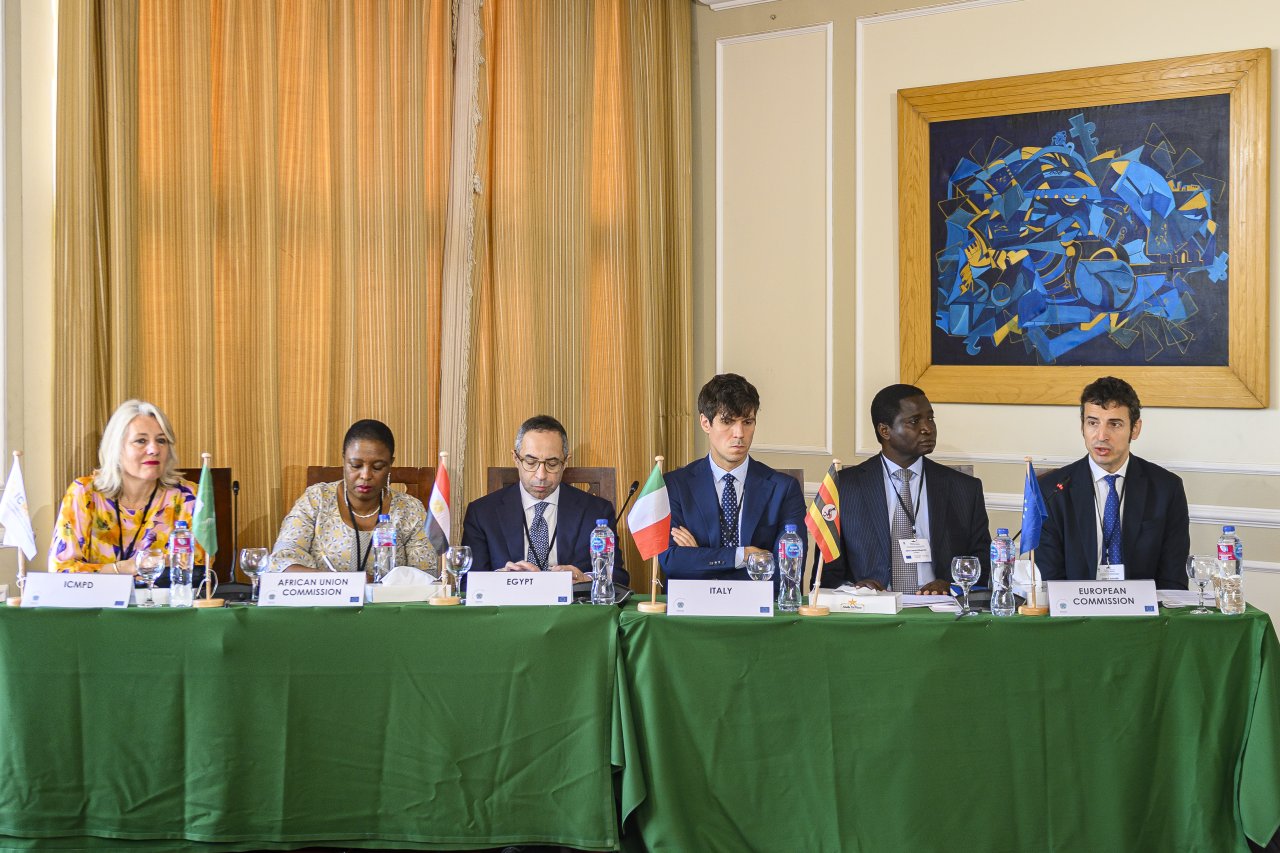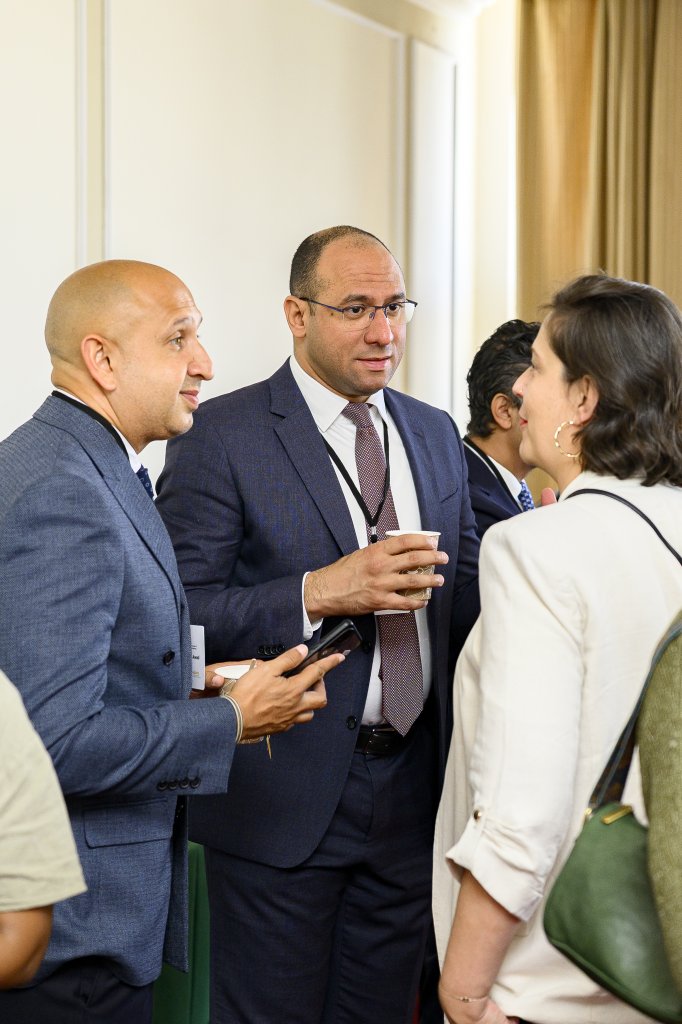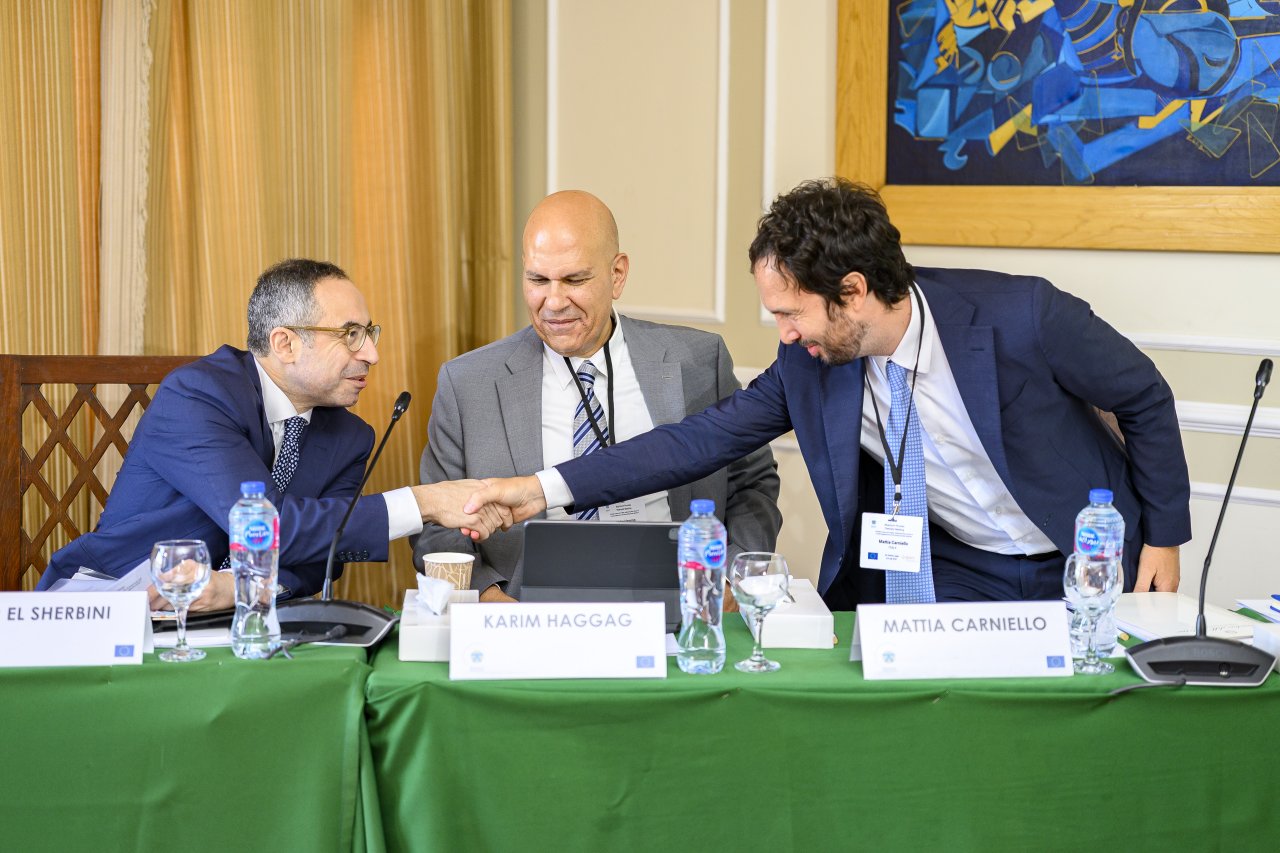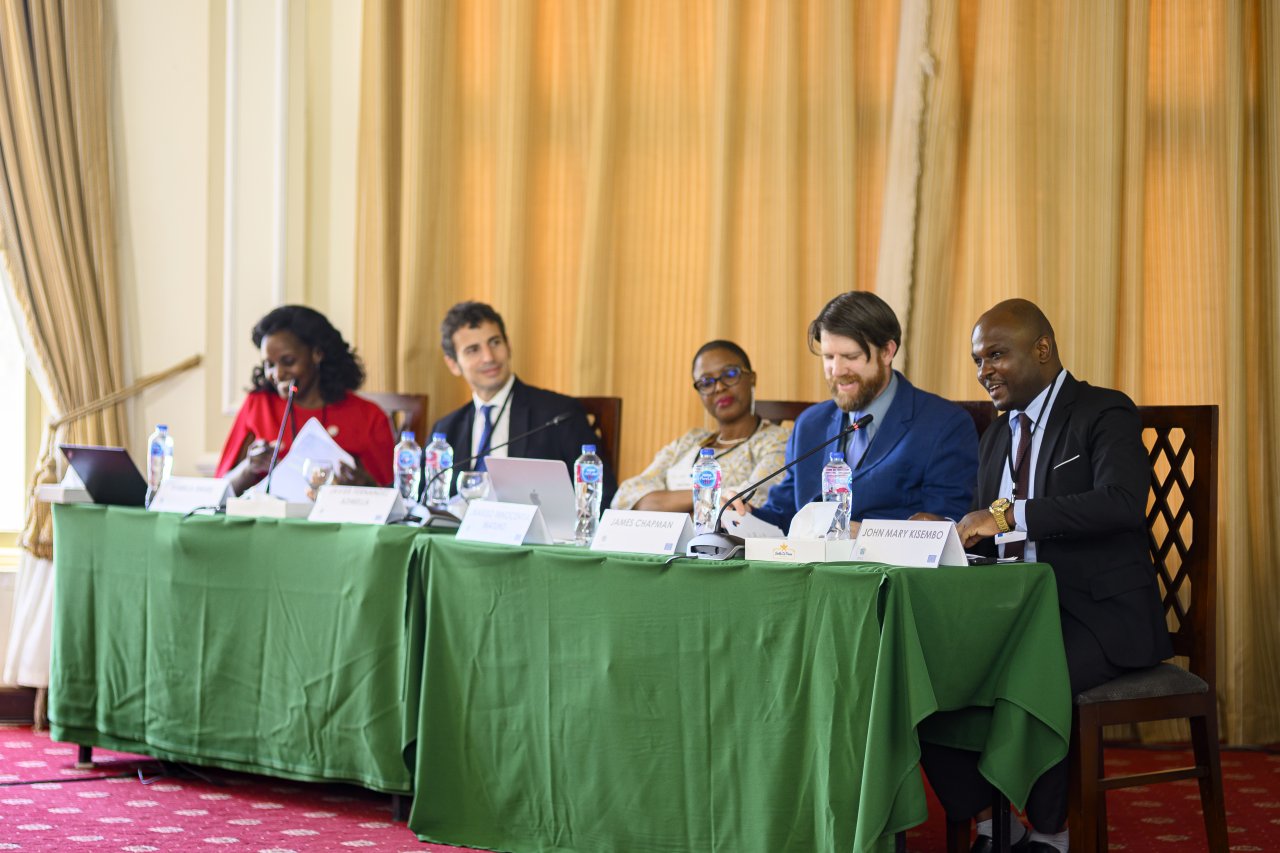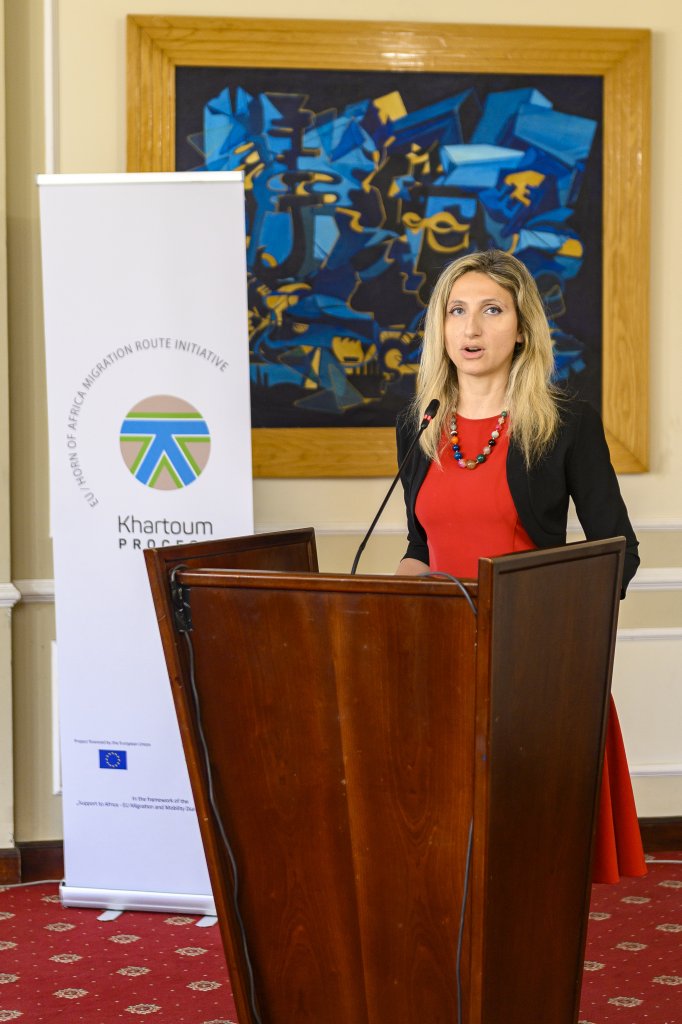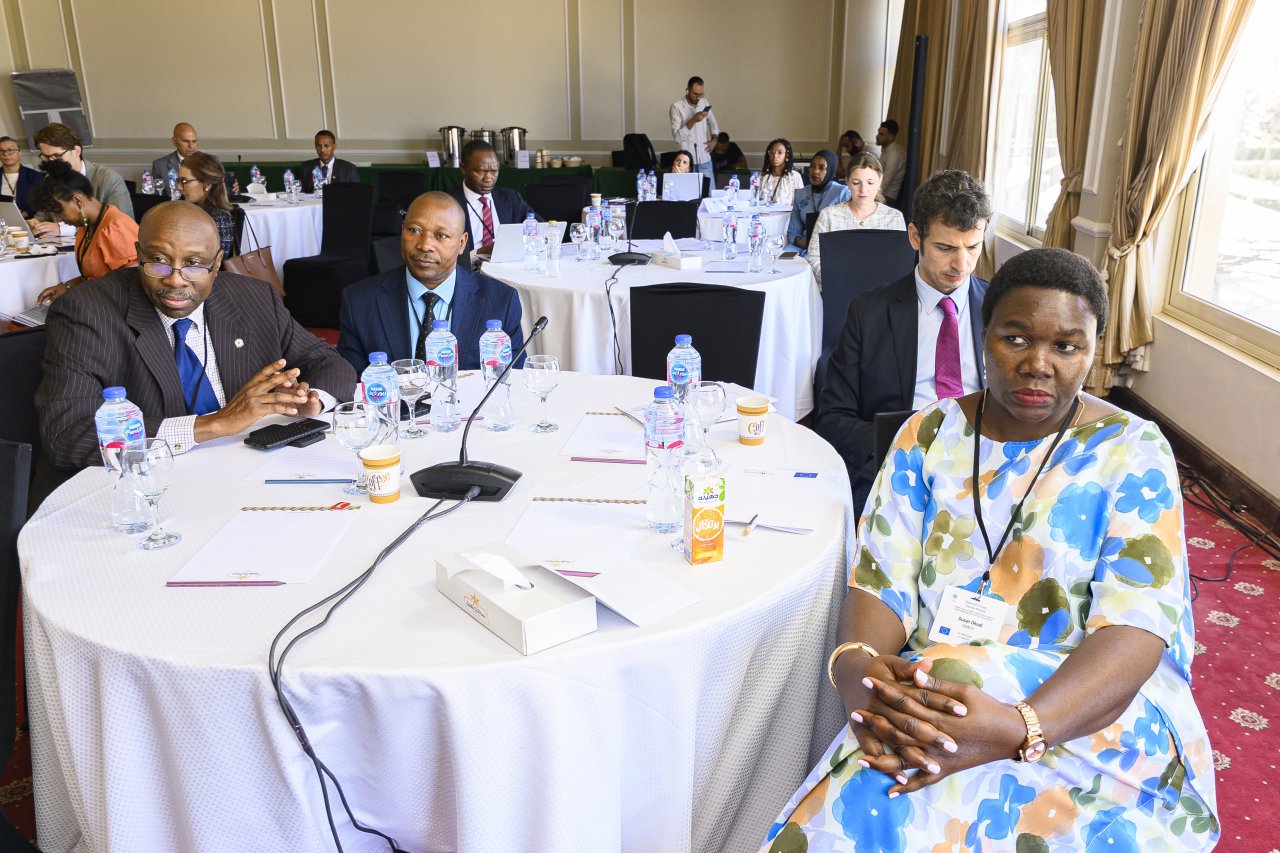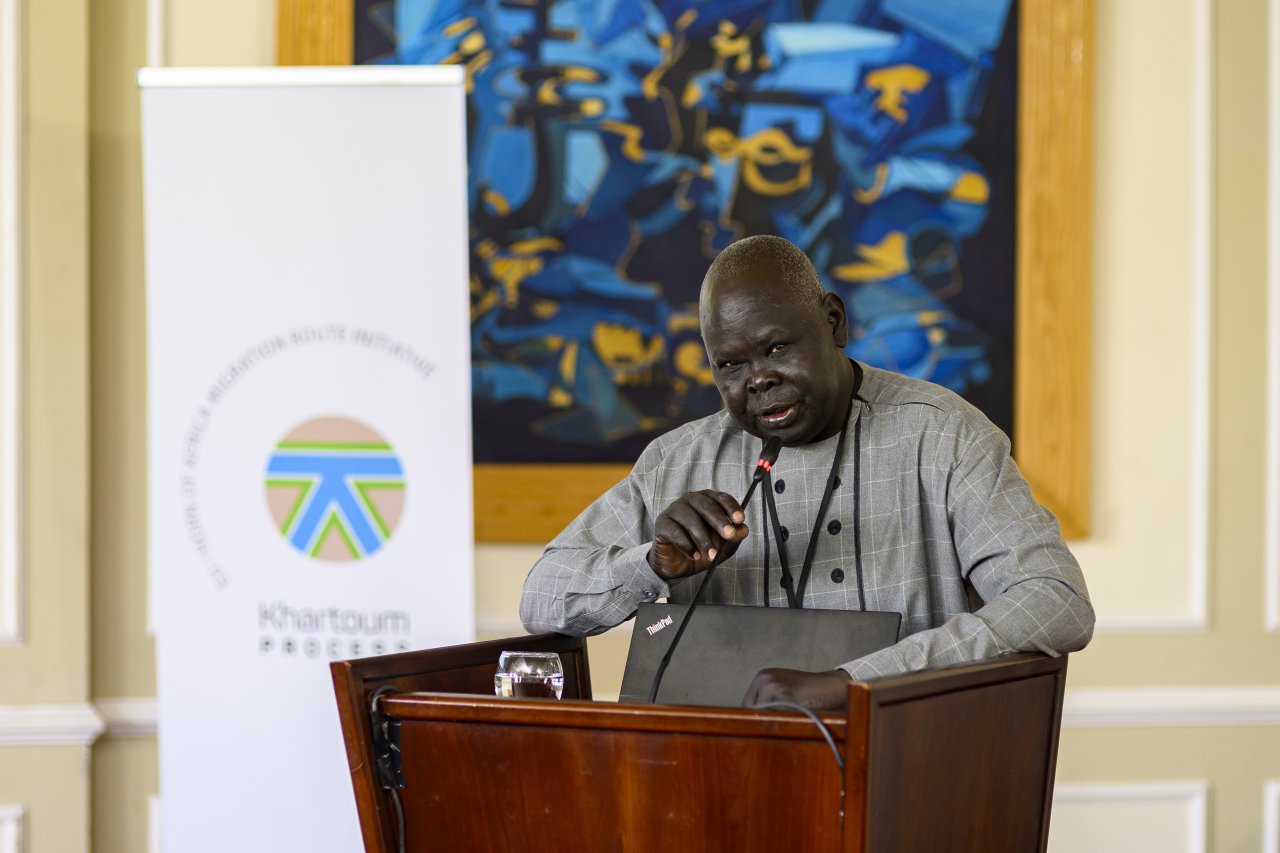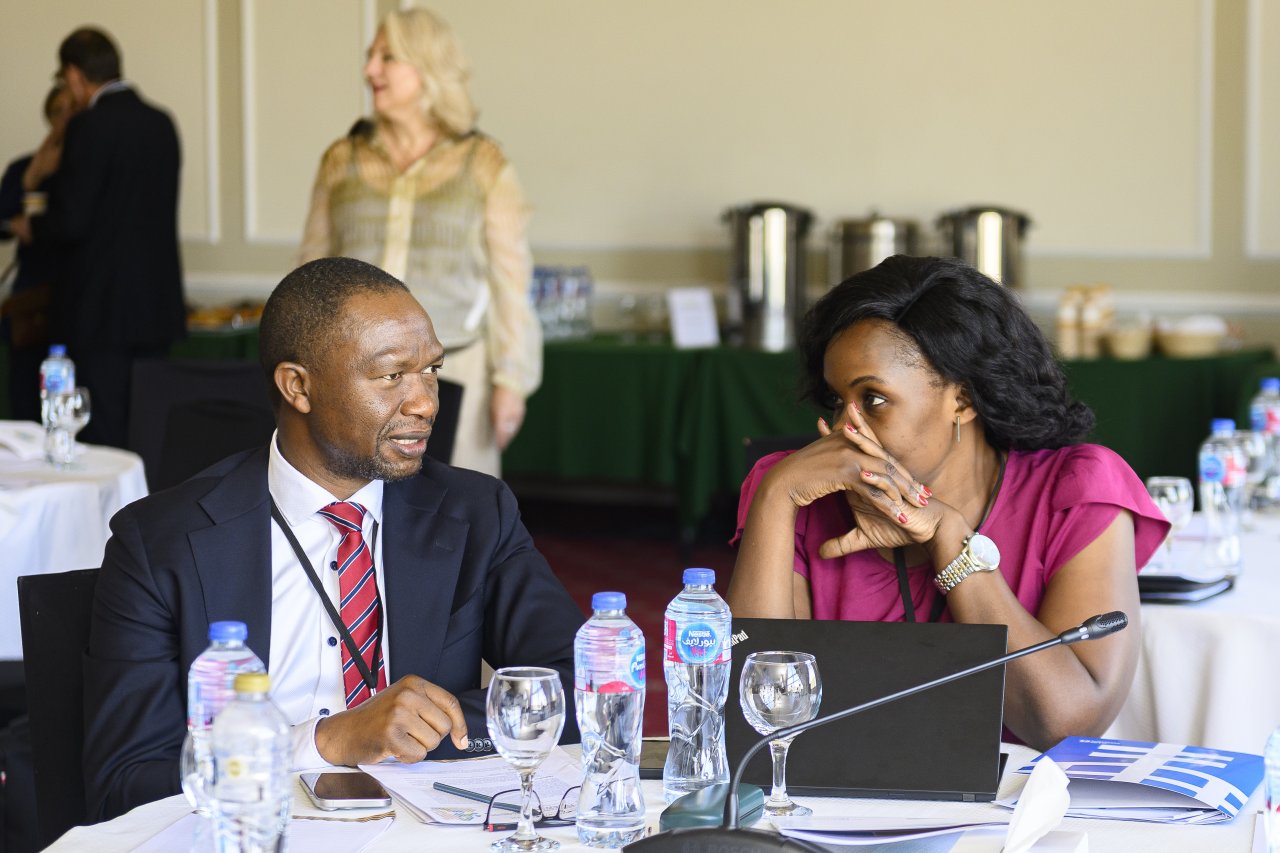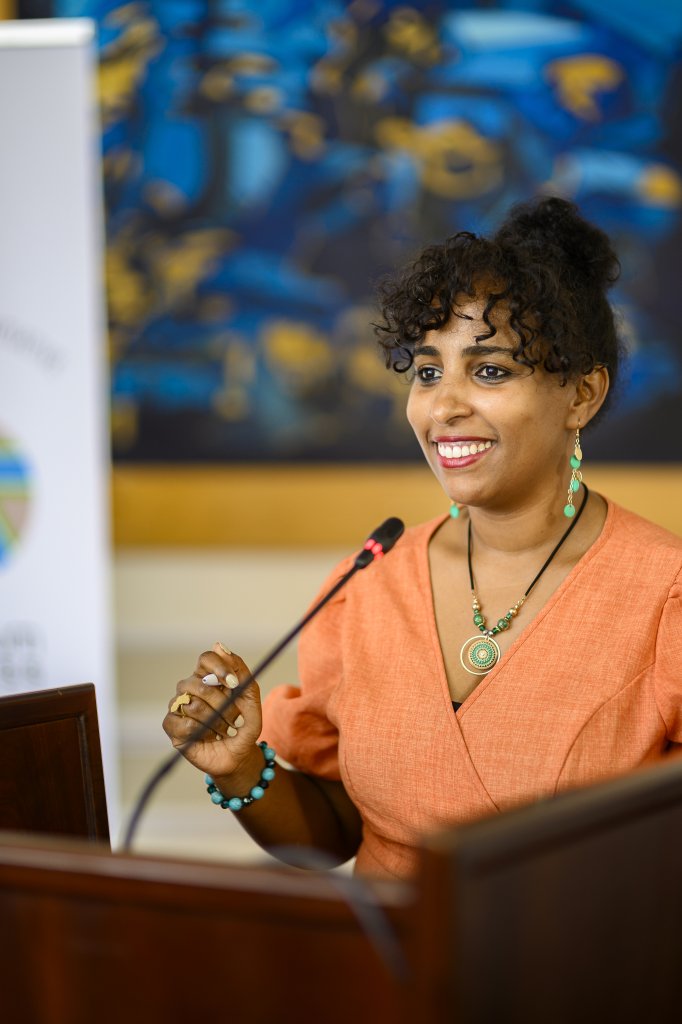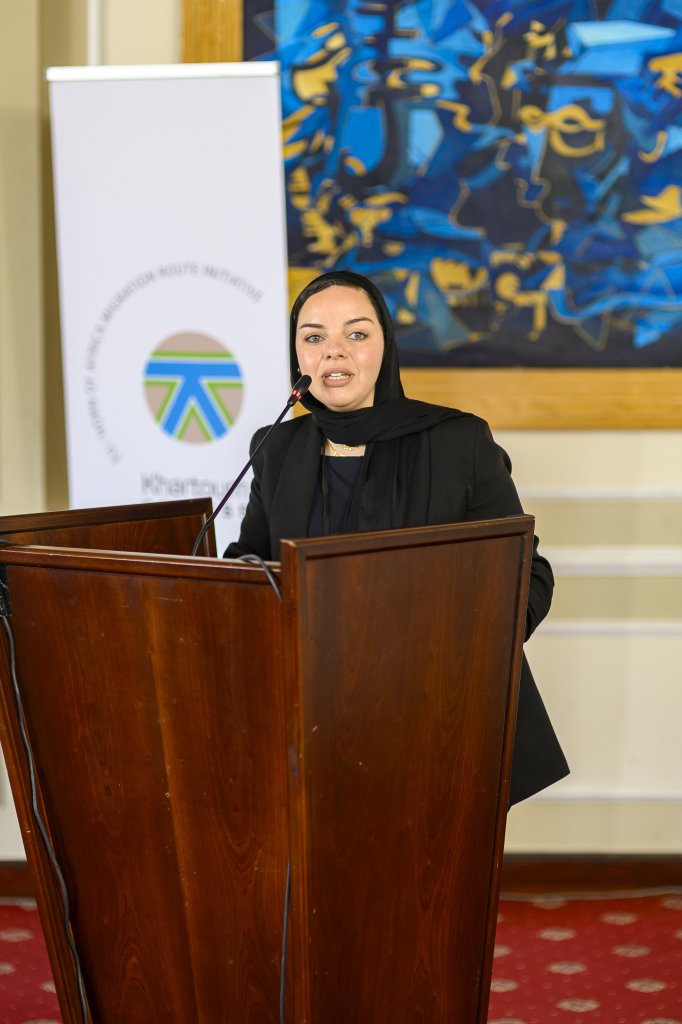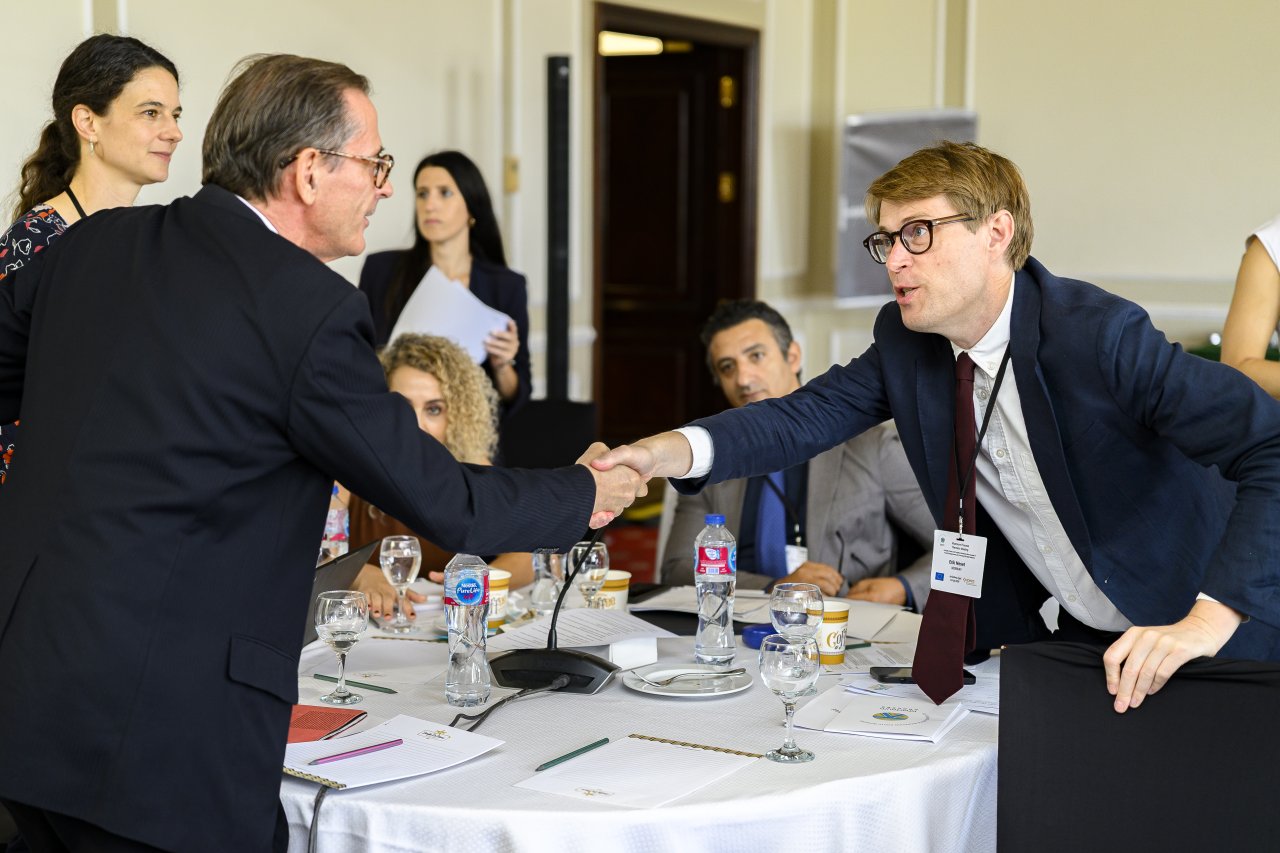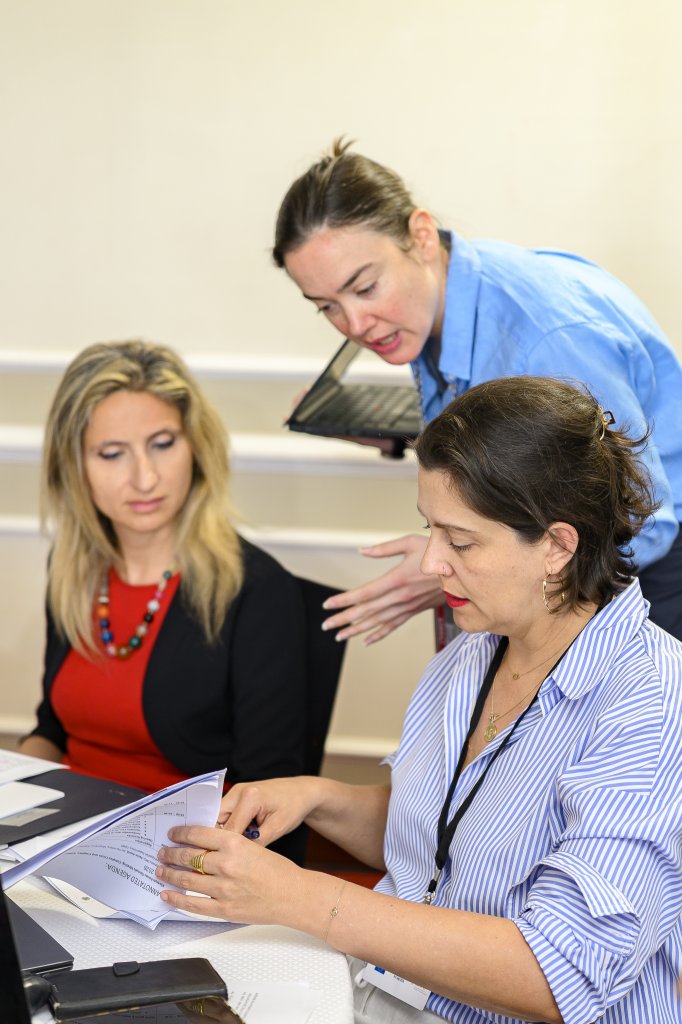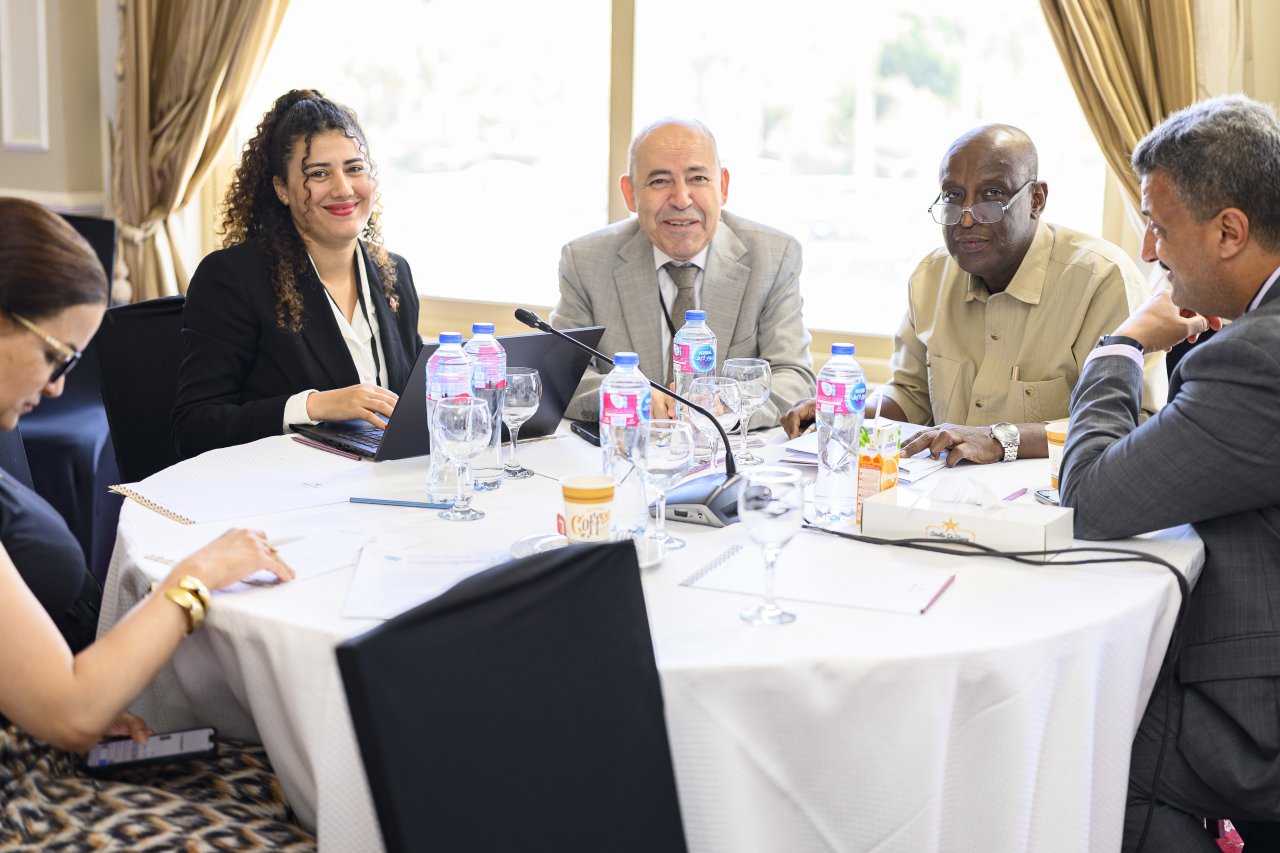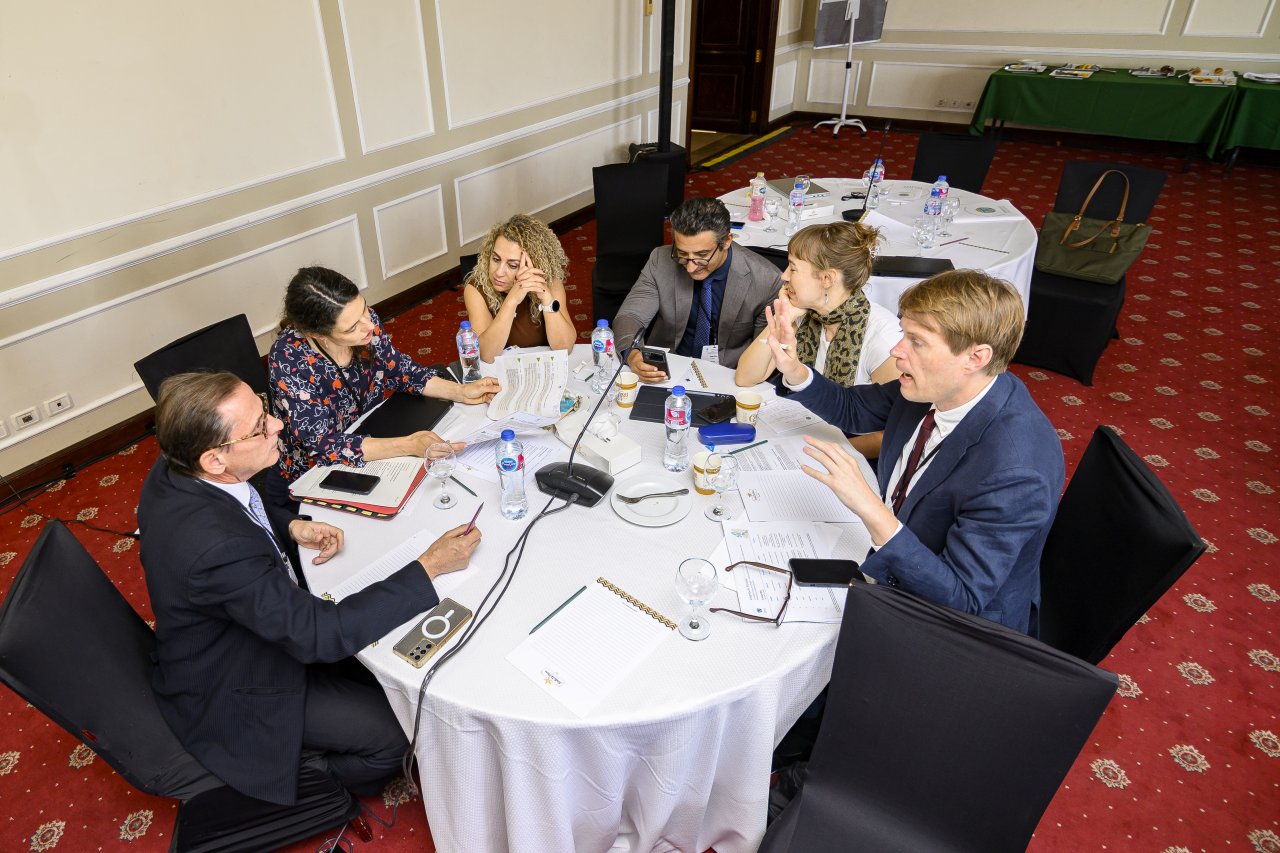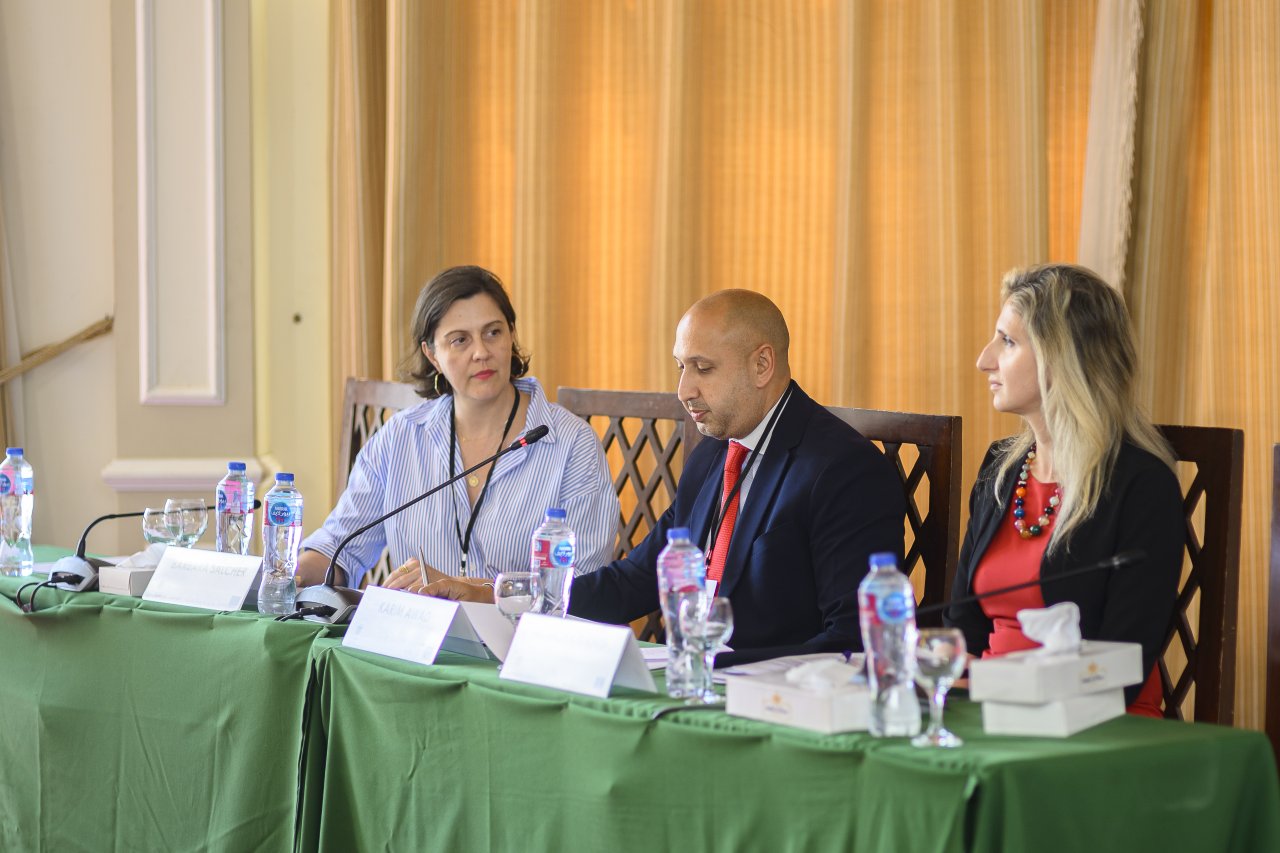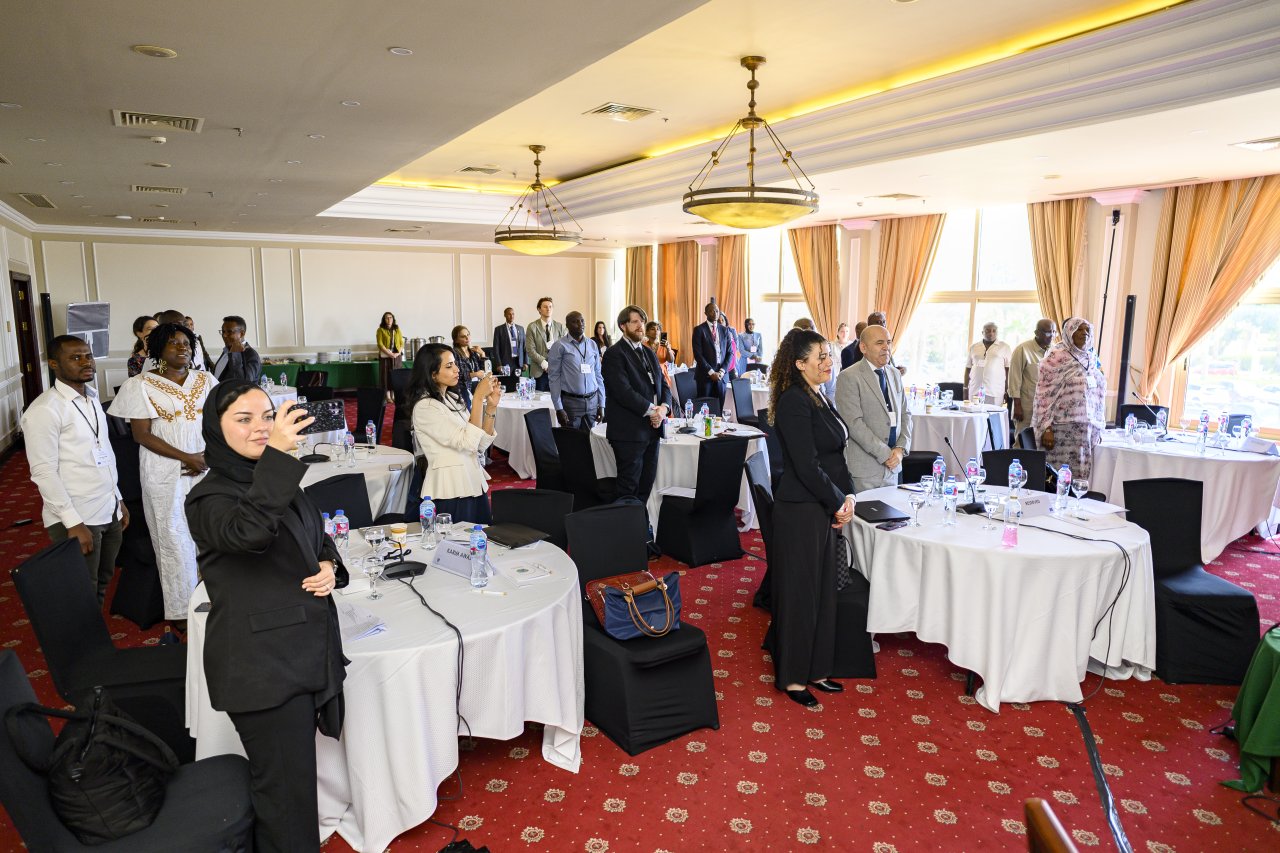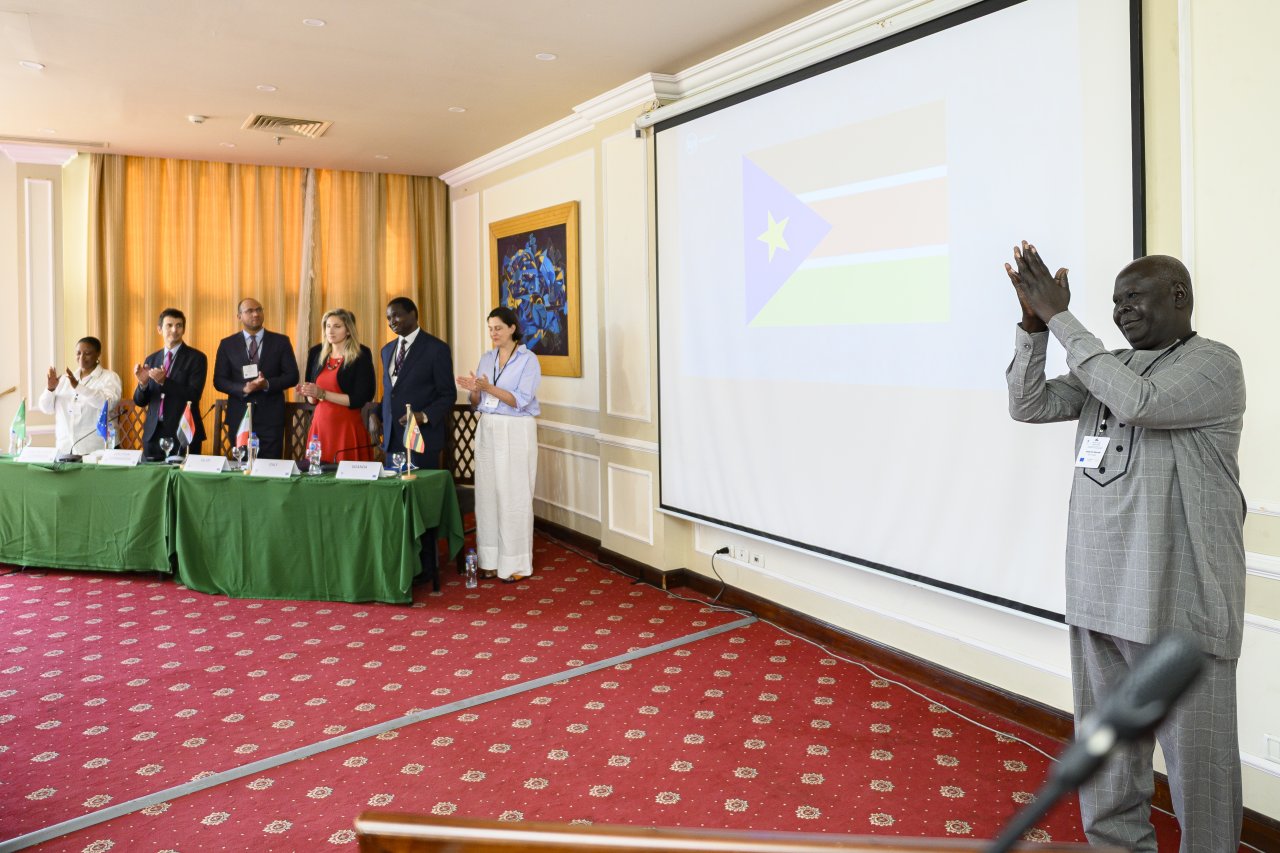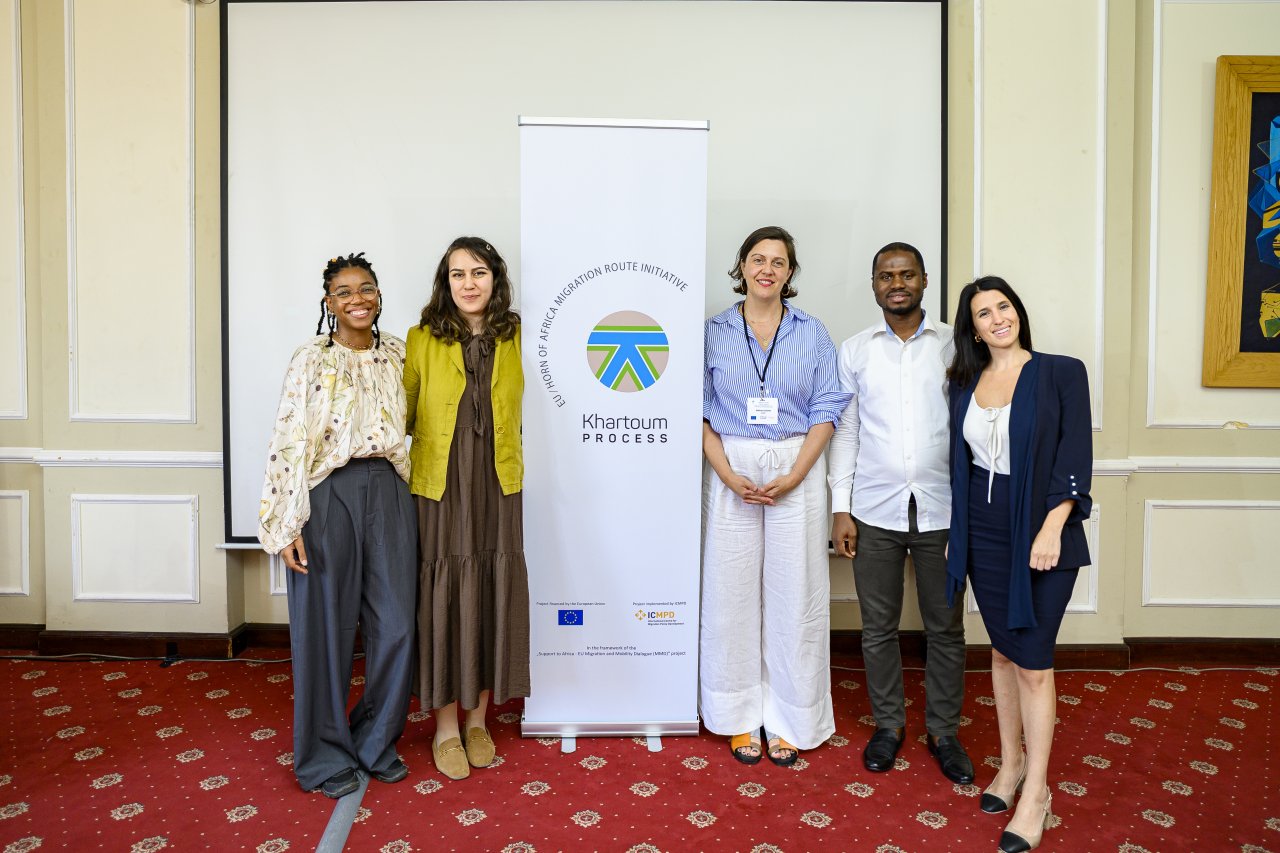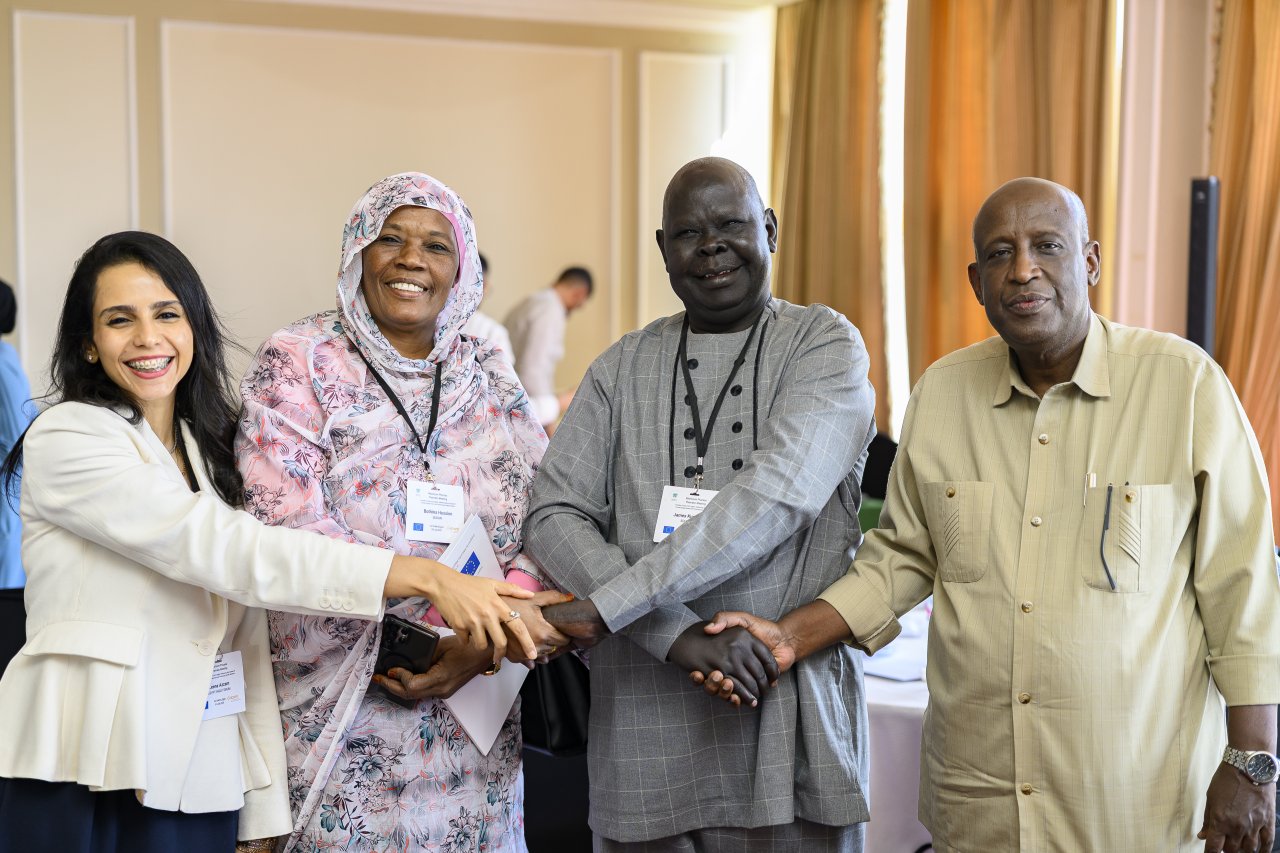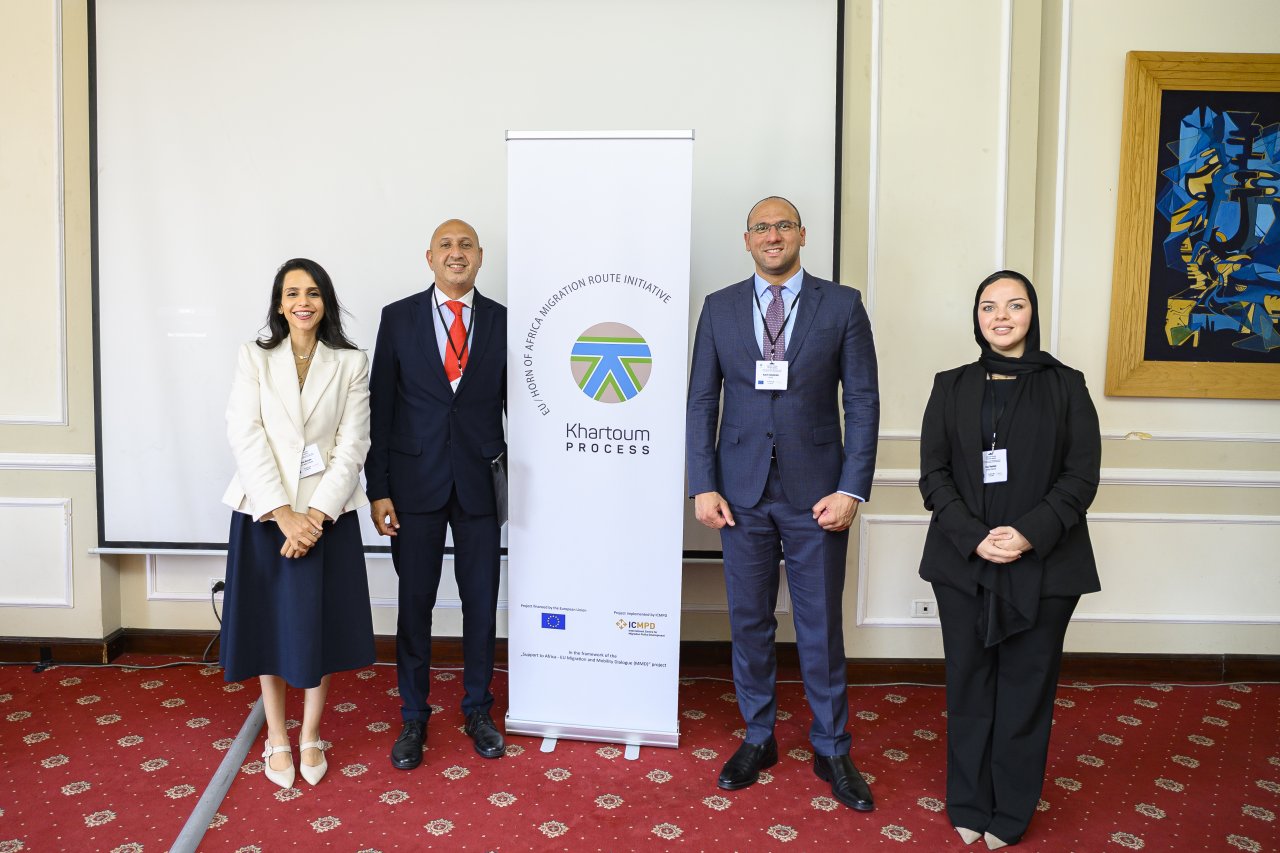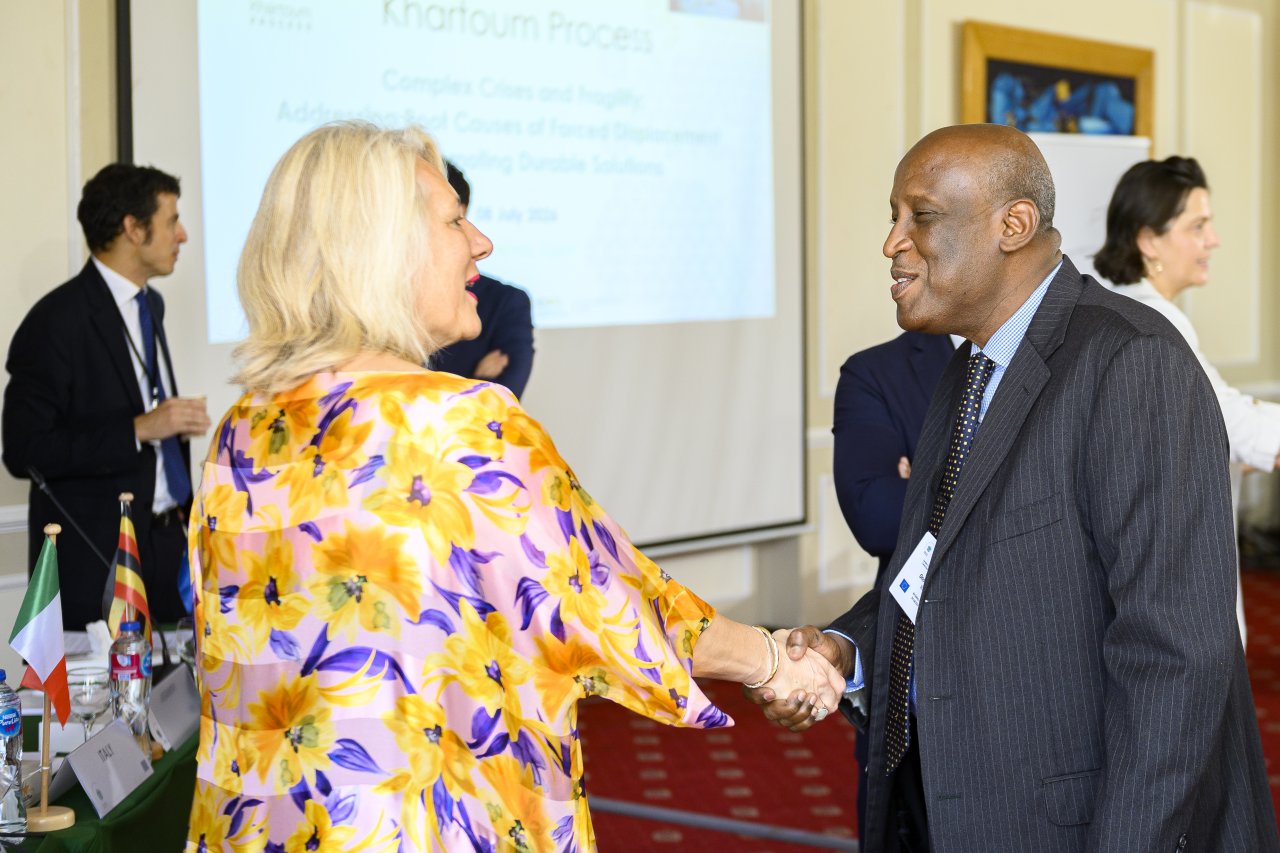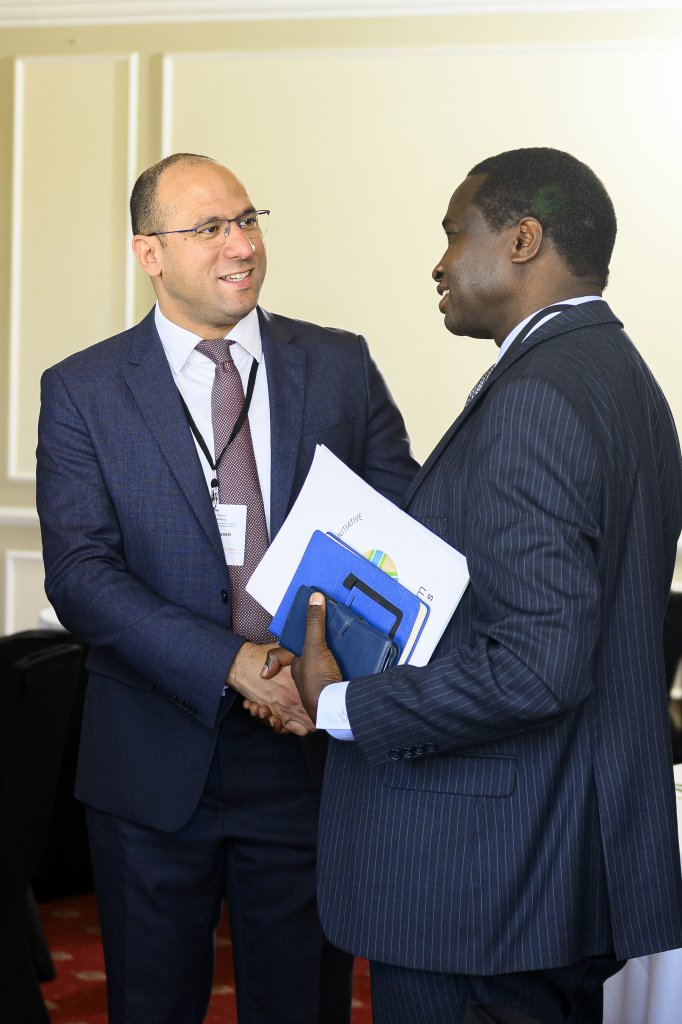
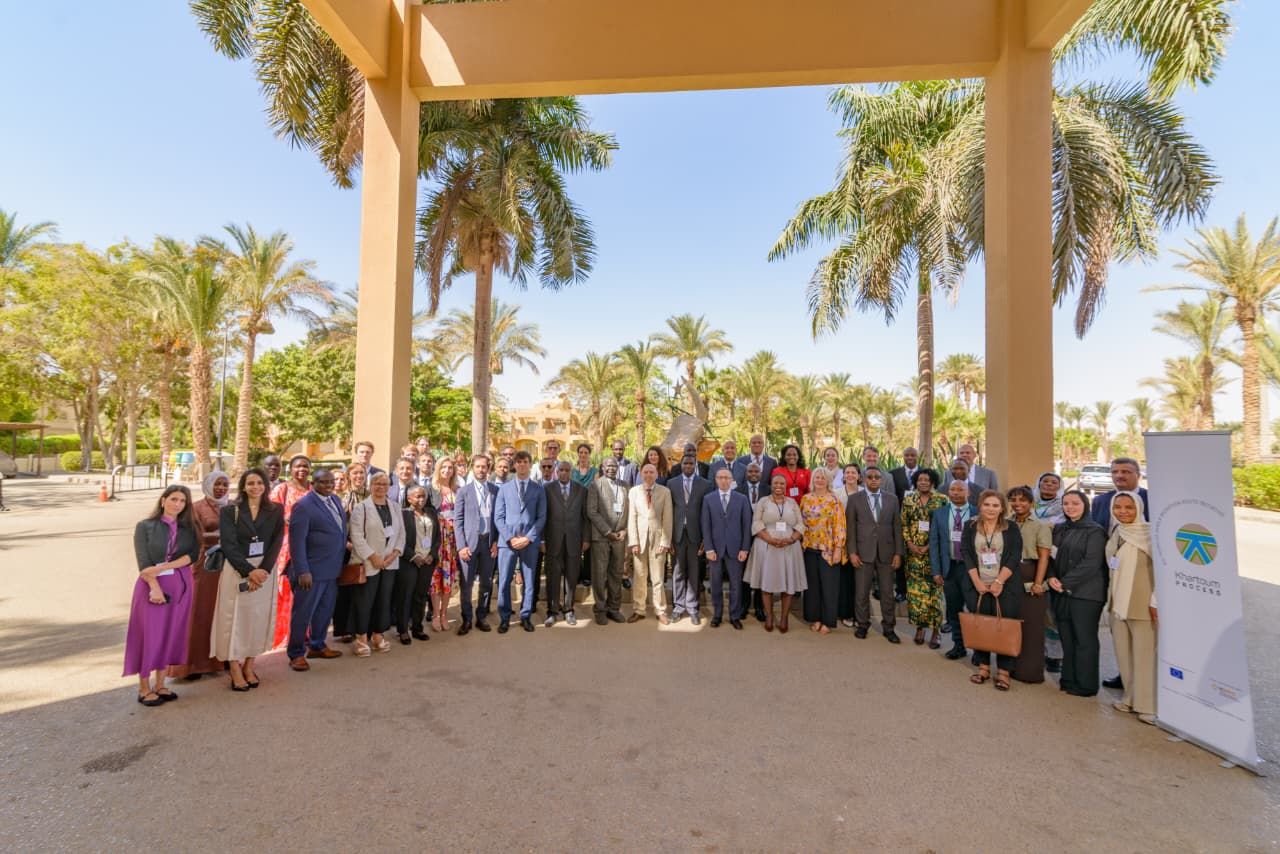
The Khartoum Process Thematic Meeting "Complex Crises and Fragility: Addressing Root Causes of Forced Displacement and Promoting Durable Solutions" took place on 8–9 July 2026 in Ain Sokhna, Egypt, under the Chairmanship of Uganda, hosted by Egypt and co-hosted by Italy. The meeting brought together representatives of Khartoum Process Partner Countries, the European Union, the African Union, international organisations, civil society, academia, and development partners to advance dialogue on one of the most pressing challenges facing the region: forced displacement driven by conflict, fragility, and other interconnected drivers.
Building on the priorities of the Cairo Action Plan, particularly Domain 1: Addressing the Root Causes of Irregular Migration and Forced Displacement, participants exchanged experiences, assessed ongoing policy and operational responses, and identified practical recommendations to strengthen regional and international cooperation in support of durable solutions.
Addressing Forced Displacement Through a Comprehensive Regional Approach
Across the two-day meeting, participants examined the increasingly complex drivers of displacement and mixed migration across the Khartoum Process region, including conflict, humanitarian crises, governance challenges, climate pressures, and economic instability. Discussions highlighted that addressing displacement requires more than emergency responses alone; it calls for integrated approaches that connect humanitarian action with development, peacebuilding, governance and migration perspectives.
Drawing on experiences from across the region, including the ongoing crisis in Sudan and protracted displacement situations in the Horn of Africa, participants emphasised the importance of strengthening resilience, national systems and inclusive solutions that support both displaced populations and host communities. Key priorities included improving access to services, documentation and livelihoods, while fostering stronger cooperation among governments, humanitarian and development actors to advance nationally led and sustainable solutions.
Strengthening Cooperation Through Shared Experiences and Regional Partnerships
The meeting highlighted the importance of peer learning and practical cooperation, with Partner Countries and organisations sharing experiences, policies and operational approaches to address displacement in contexts affected by conflict and fragility. Discussions showcased the value of translating policy commitments into concrete action, strengthening protection systems, supporting host communities and advancing durable solutions through stronger partnerships, ultimately ensuring that regional frameworks are reflected in concrete action on the ground.
The discussions reaffirmed the Khartoum Process as a key platform for African-European dialogue, trust-building and cooperation, bringing together countries of origin, transit and destination to address shared challenges along migration routes. Participants recognised the leadership of African countries in responding to displacement through humanitarian action, peacebuilding efforts, the hosting of displaced populations and the strengthening of national systems, while emphasising the need for continued international support and partnership.
The meeting also emphasised the role of evidence-based policymaking in shaping effective responses. Participants highlighted the importance of research, data and analysis to better understand evolving displacement trends and address emerging drivers, including the links between conflict, climate pressures, resource competition and governance challenges. The need to strengthen prevention, early warning systems and anticipatory action was also underlined.
From Dialogue to Implementation
The second day of the meeting focused on translating discussions into practical recommendations through interactive breakout sessions and plenary exchanges. Participants reflected on opportunities to strengthen social and economic inclusion, legal documentation, financial inclusion, and regional cooperation, identifying priority actions to advance durable solutions across the Khartoum Process region.
The meeting concluded with a shared recognition that while important policy frameworks are already in place, the key challenge remains effective implementation. Participants reaffirmed their commitment to carrying forward the meeting’s recommendations and maintaining the momentum generated in Ain Sokhna. They highlighted the importance of strengthening national ownership, promoting practical cooperation, and advancing the implementation of the Cairo Action Plan through more coherent, evidence-based, and integrated responses to the root causes of forced displacement.
The meeting represented an important milestone in reinforcing the Khartoum Process as a platform that goes beyond dialogue, supporting knowledge exchange, coordinated action, and strengthened African-European cooperation towards durable solutions across the region.