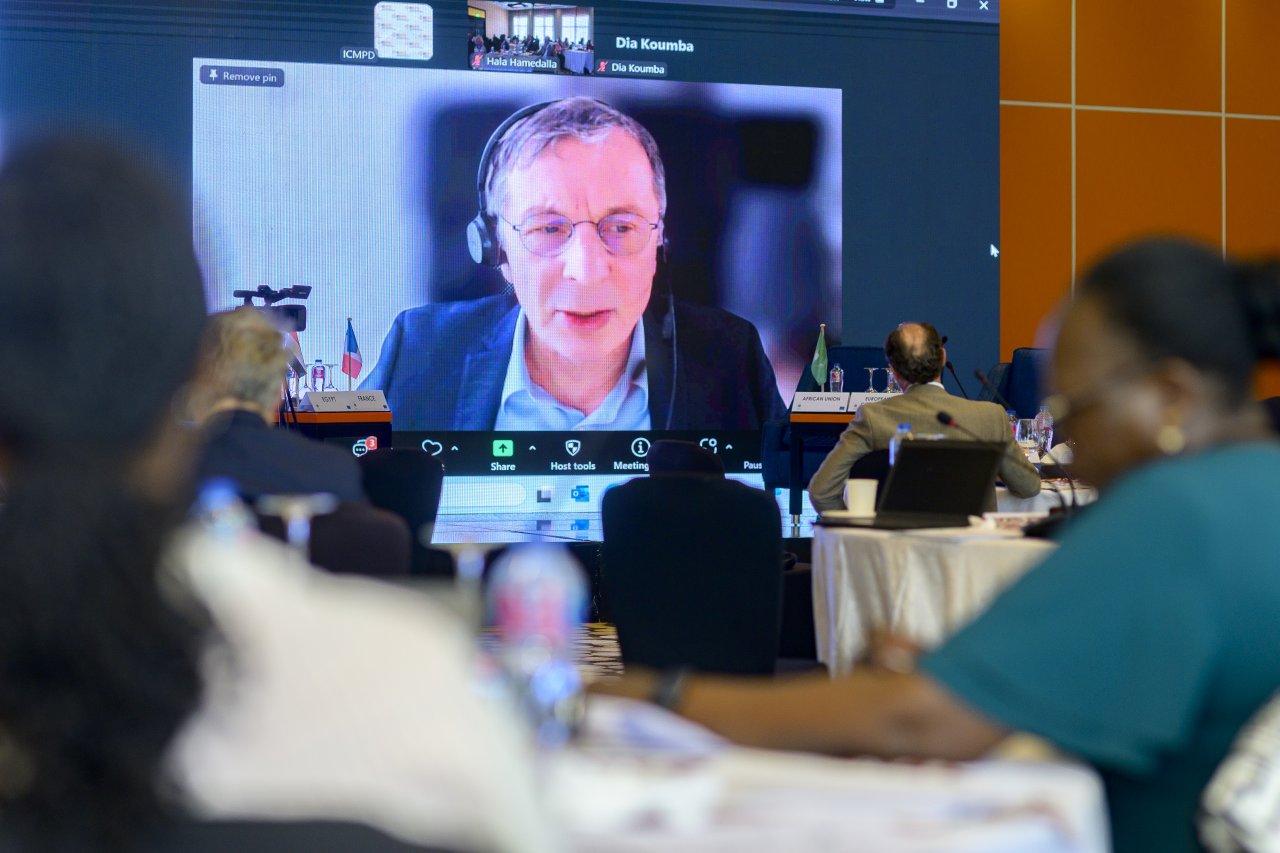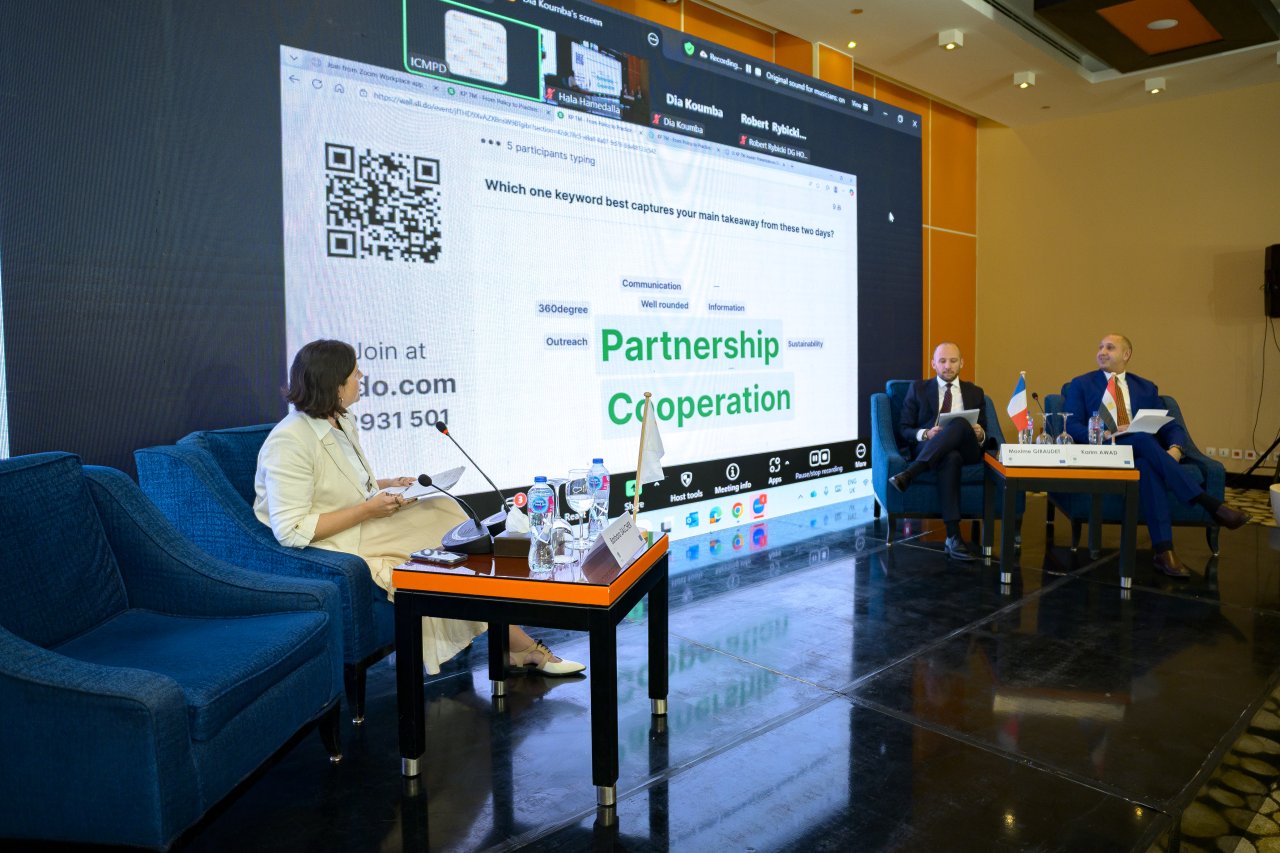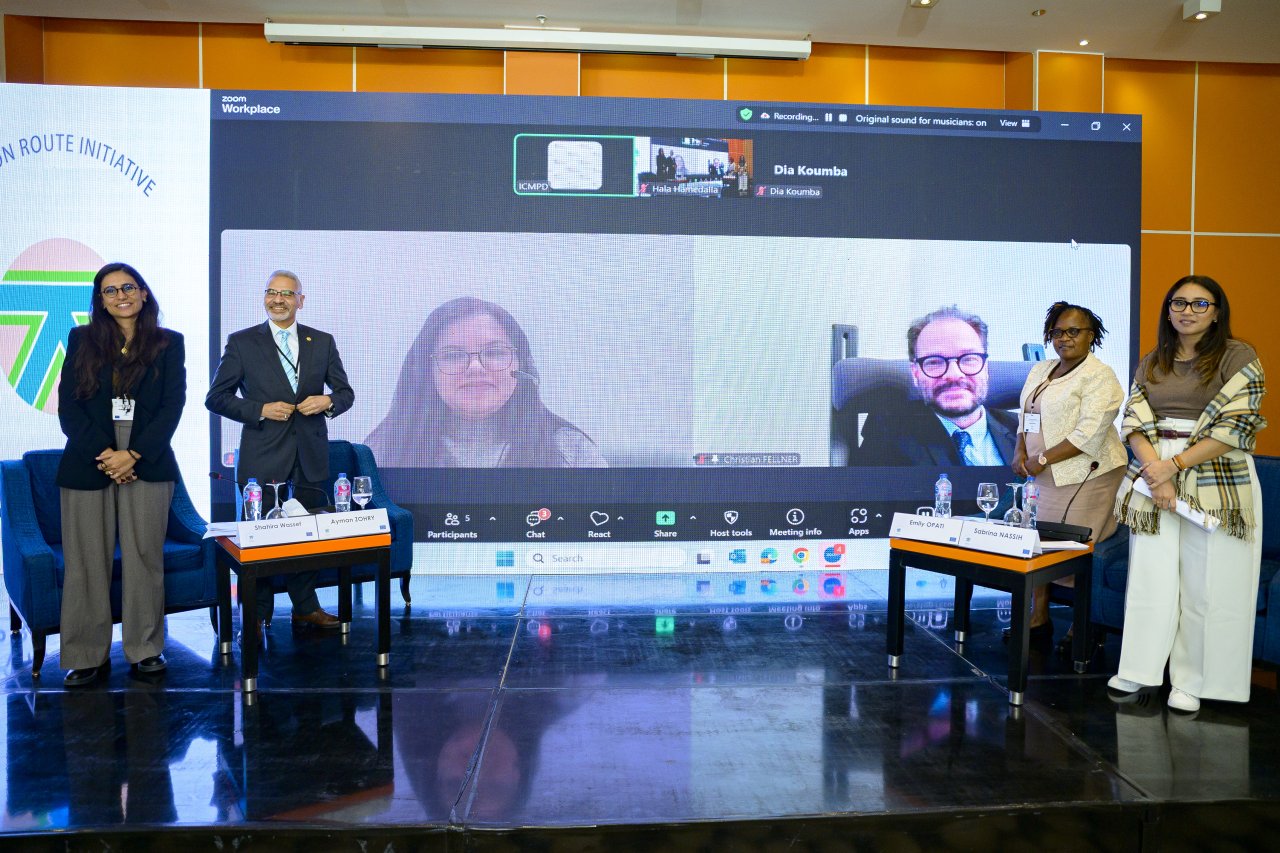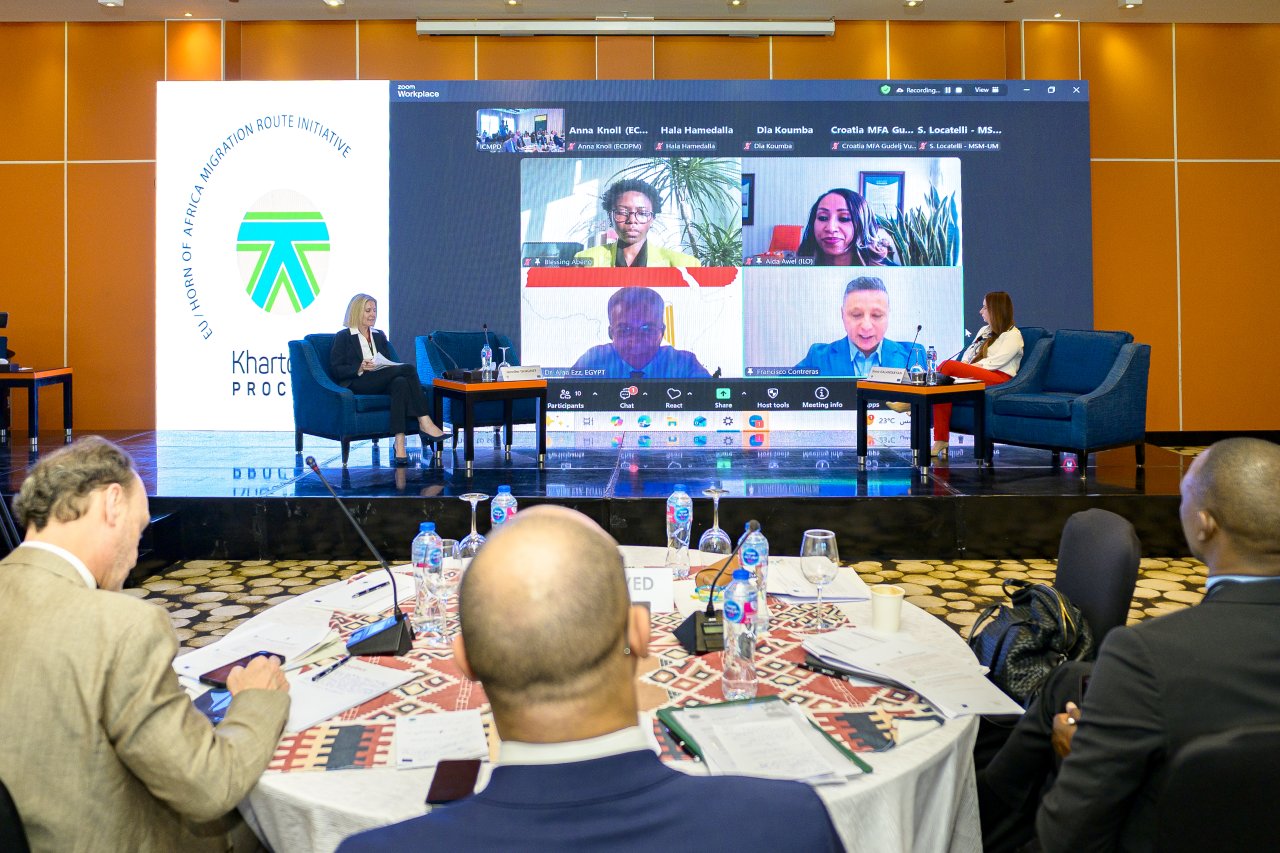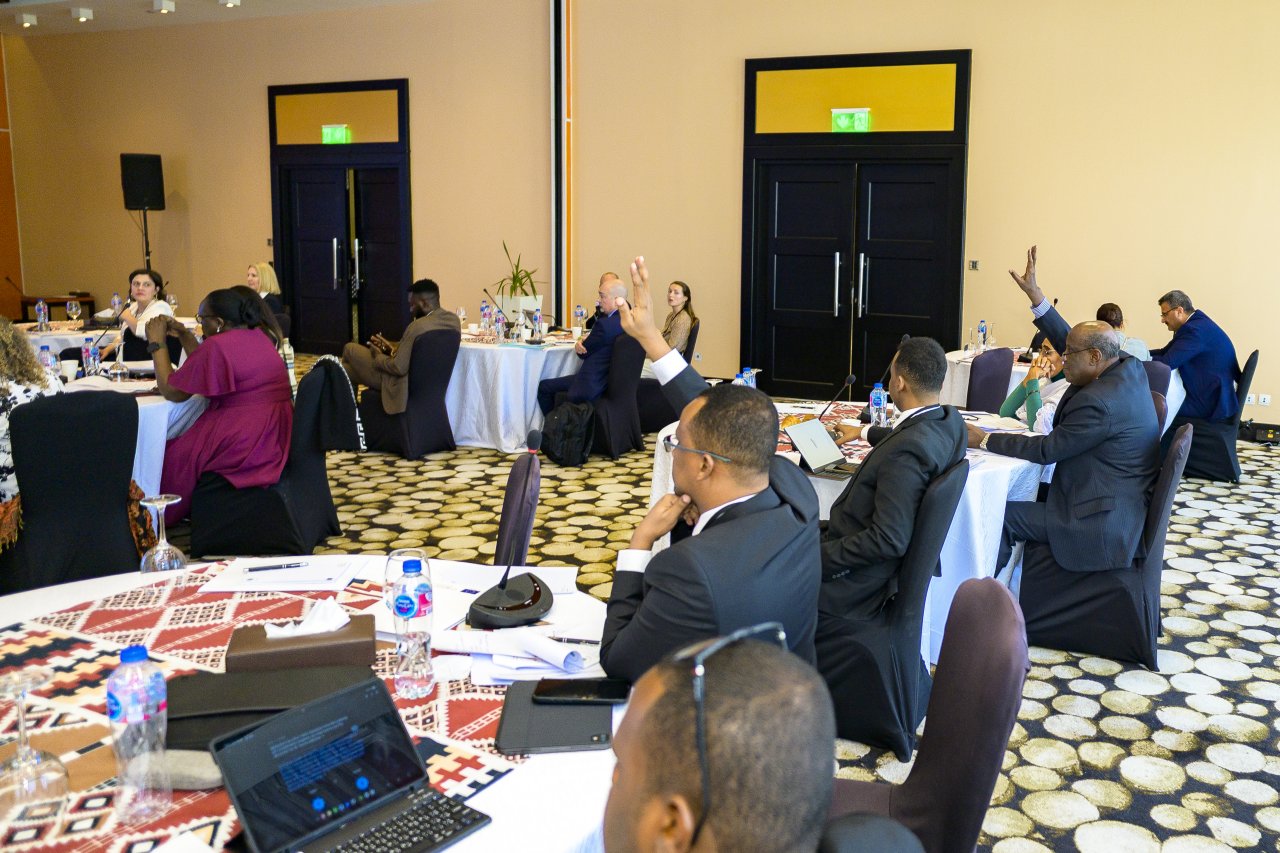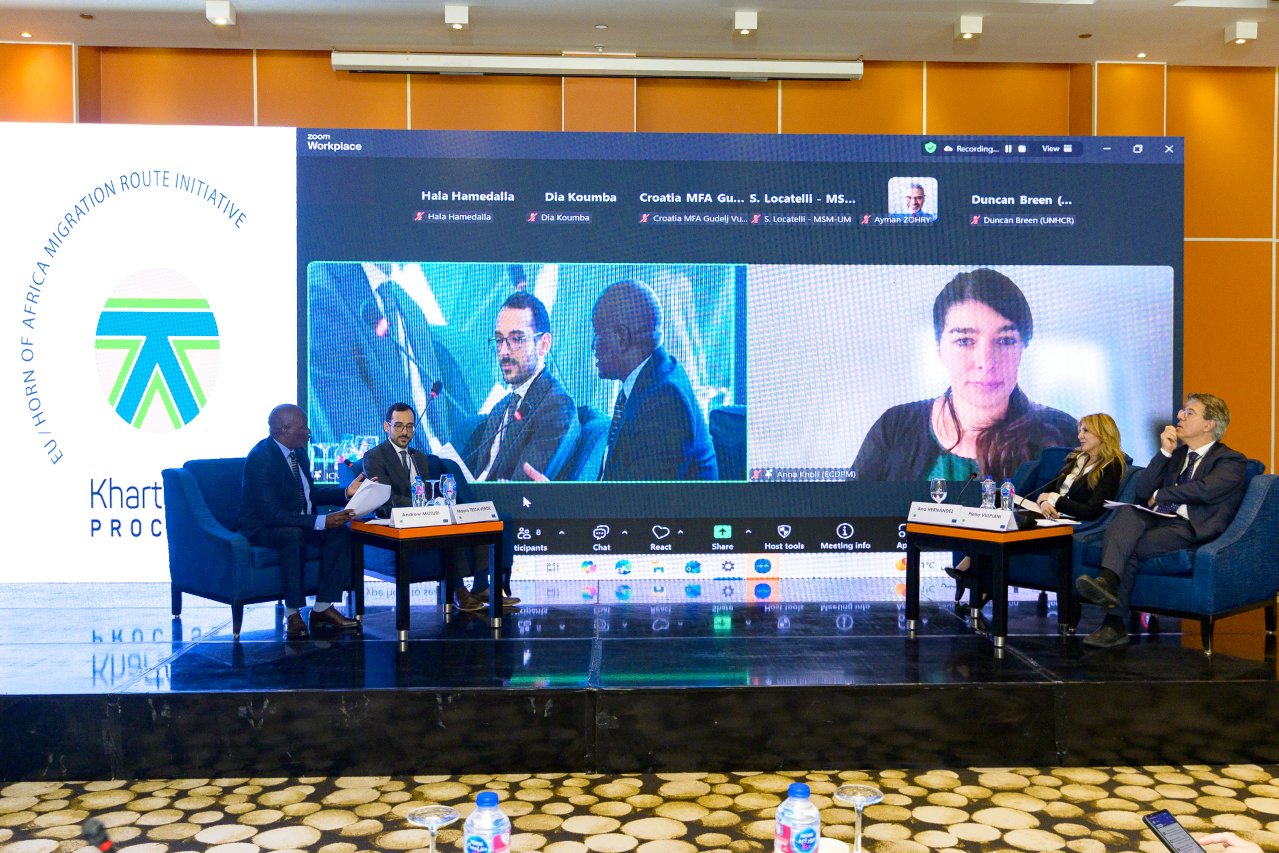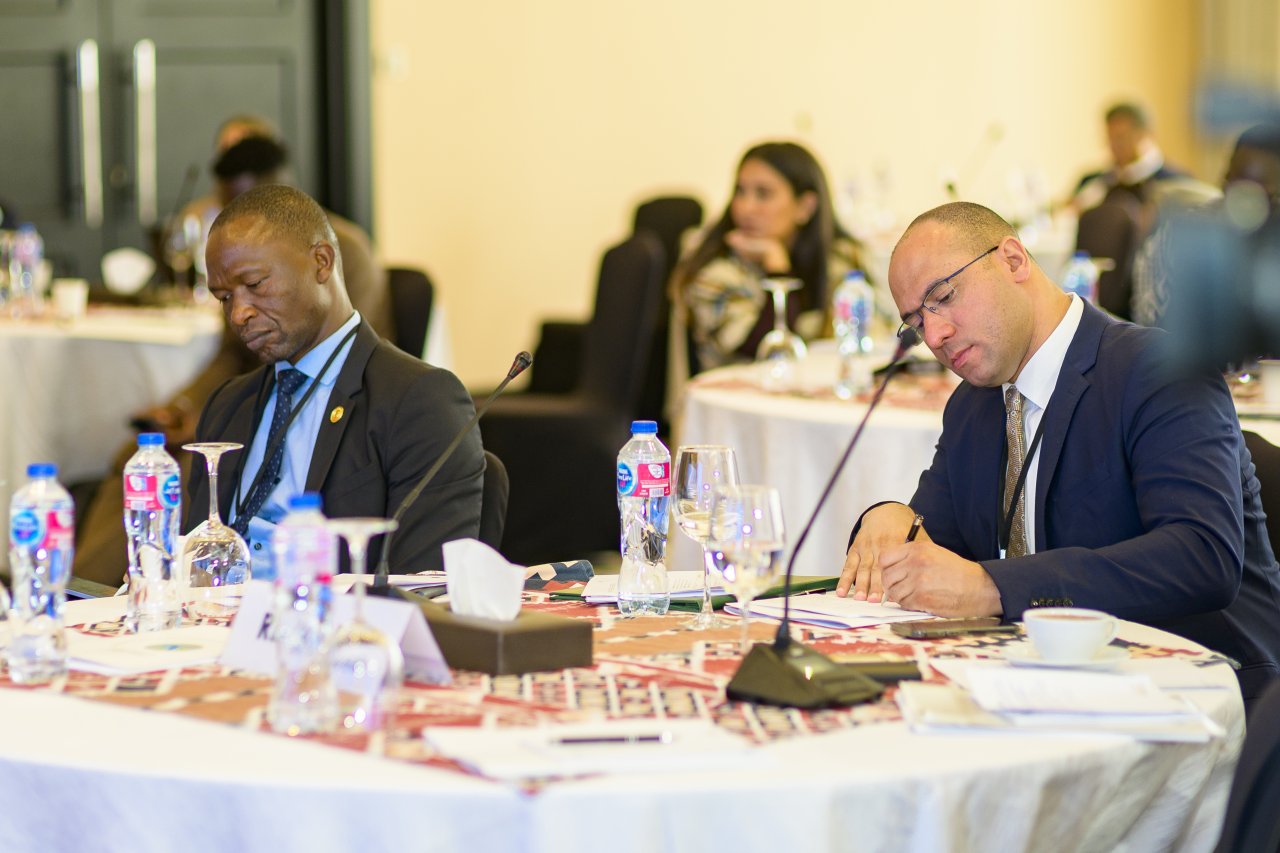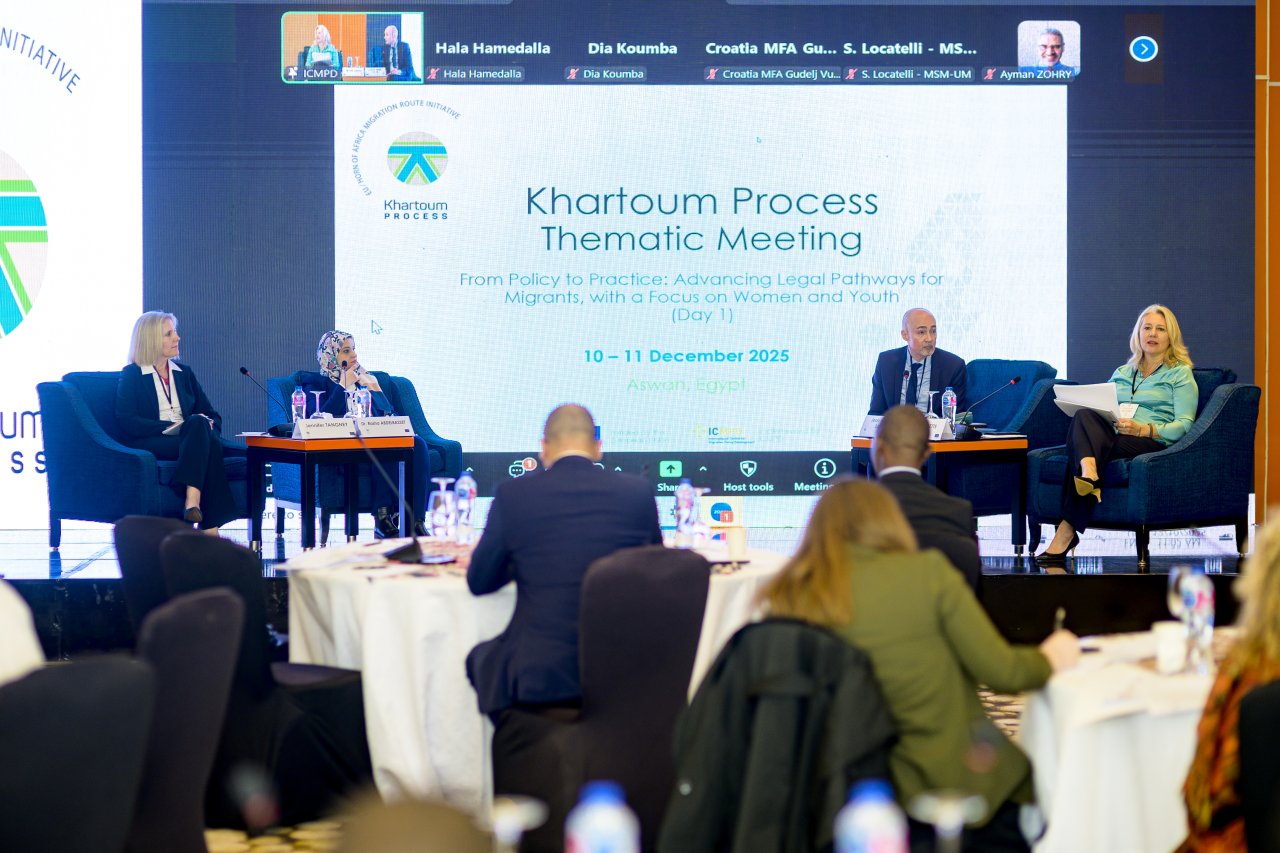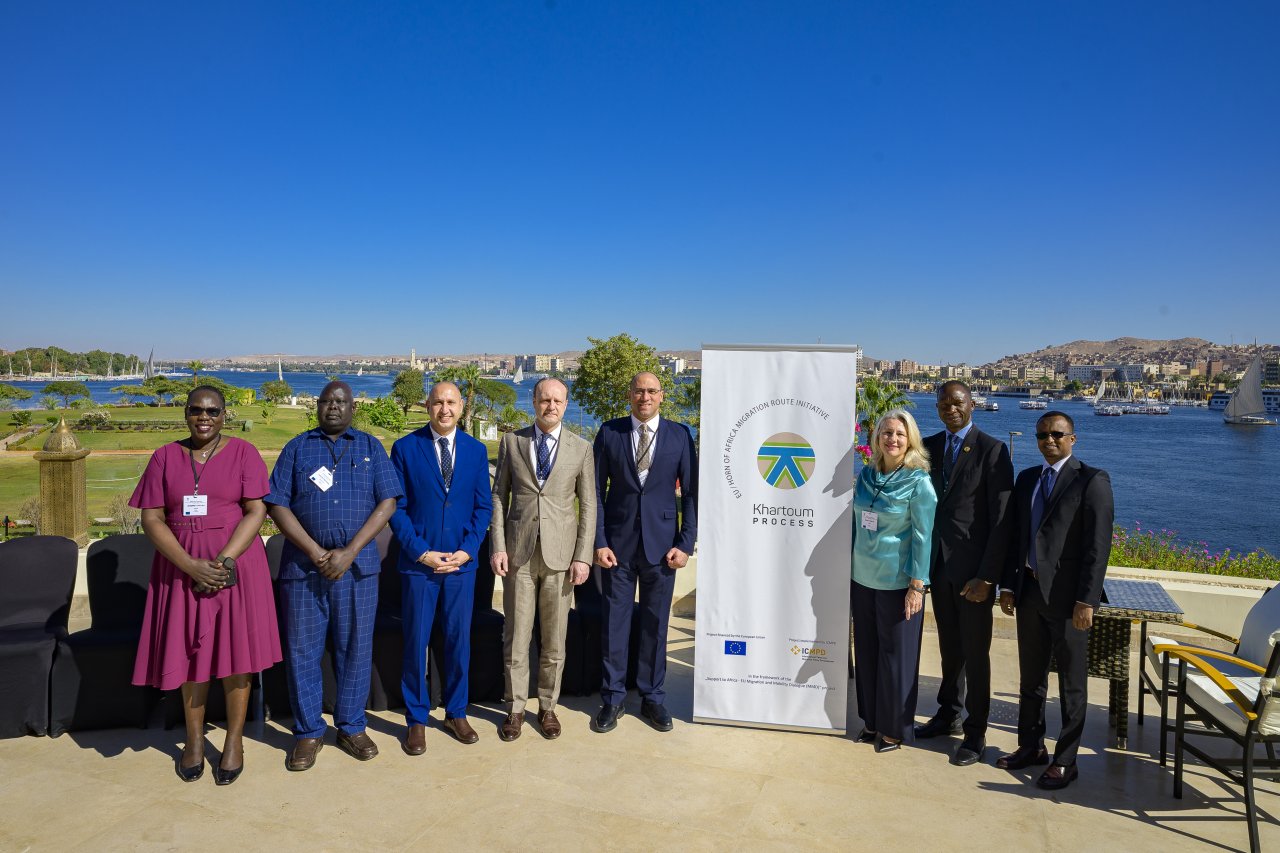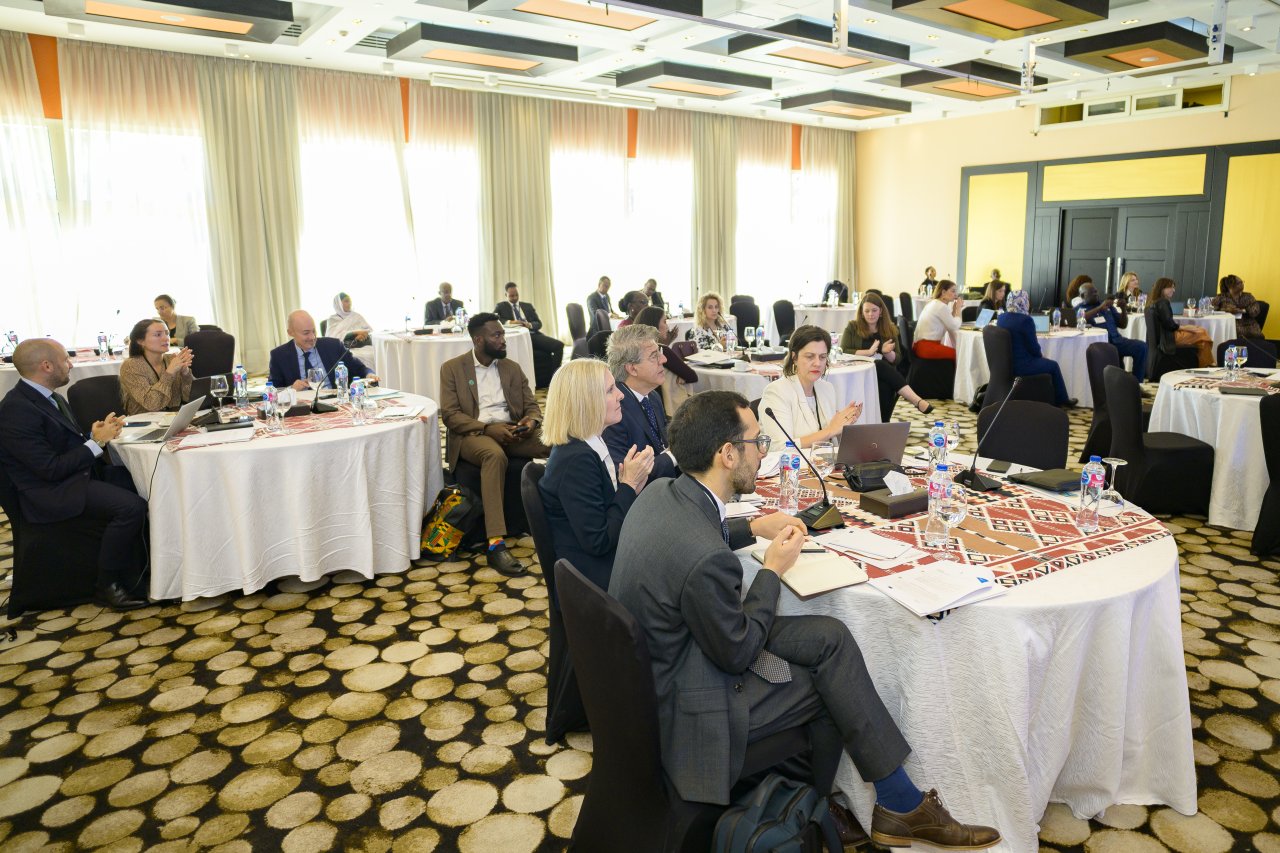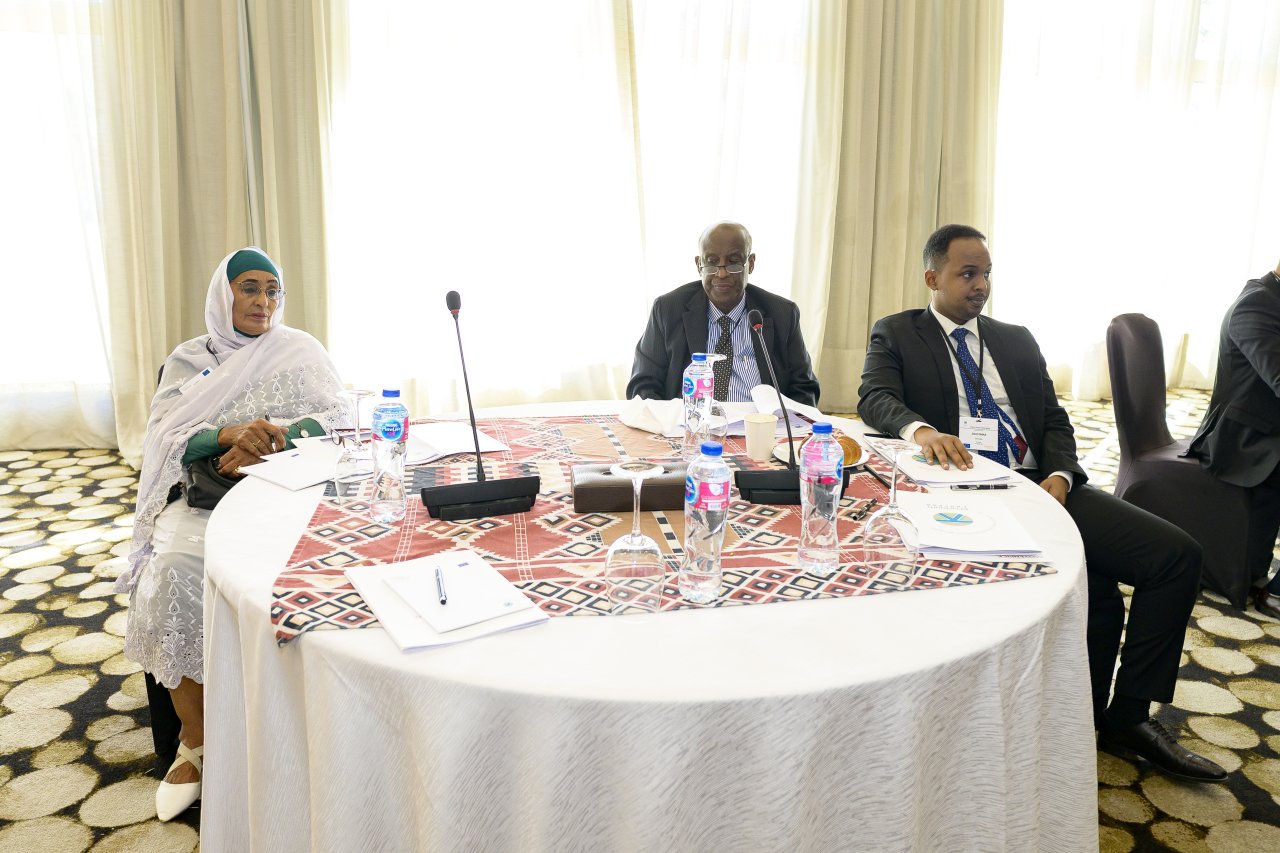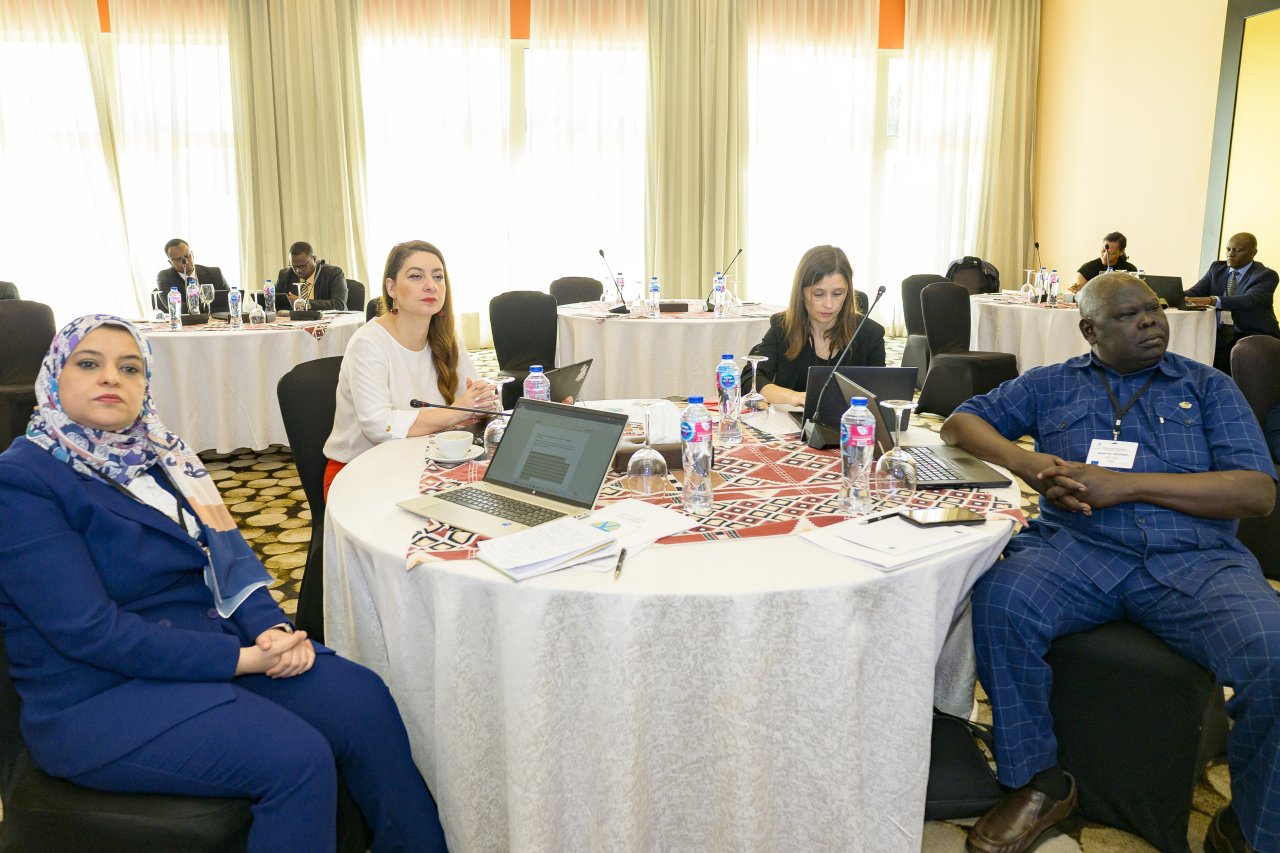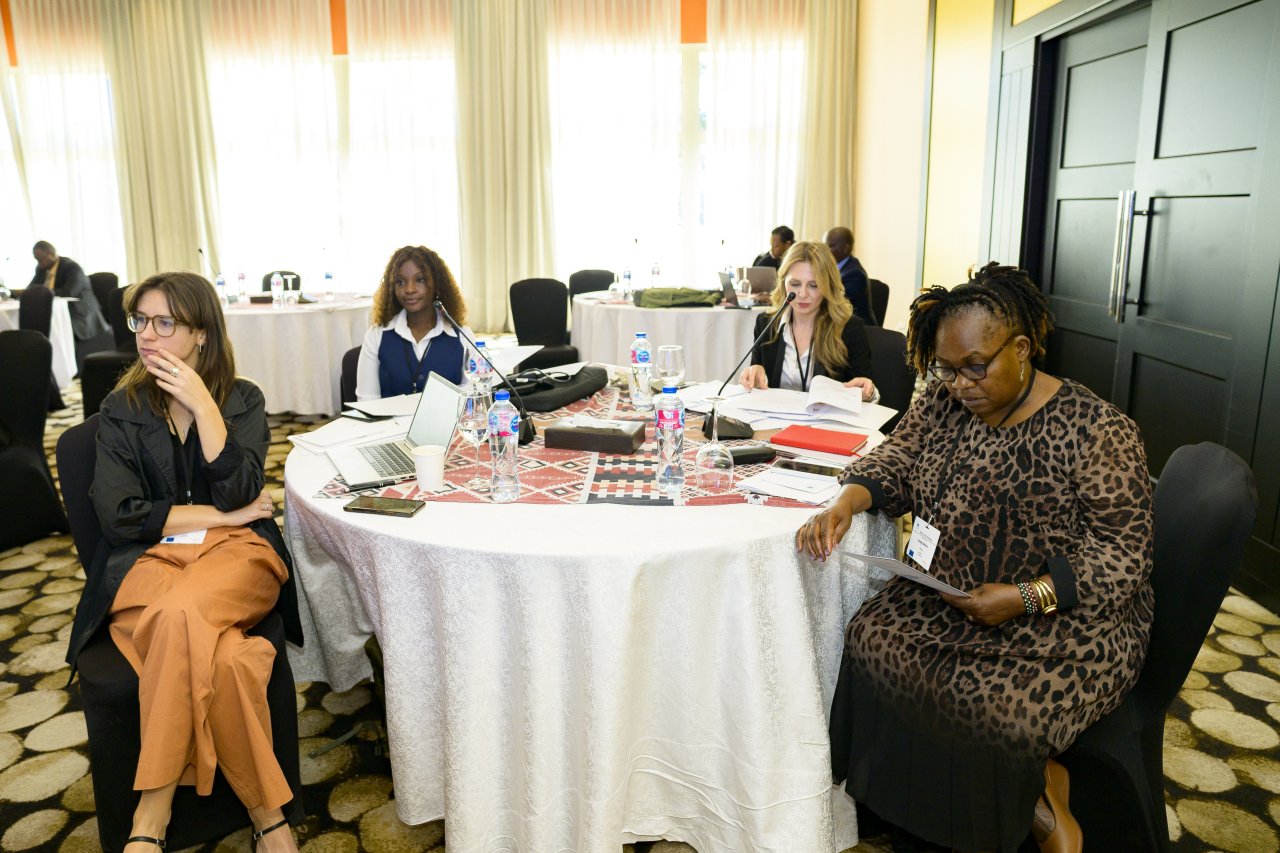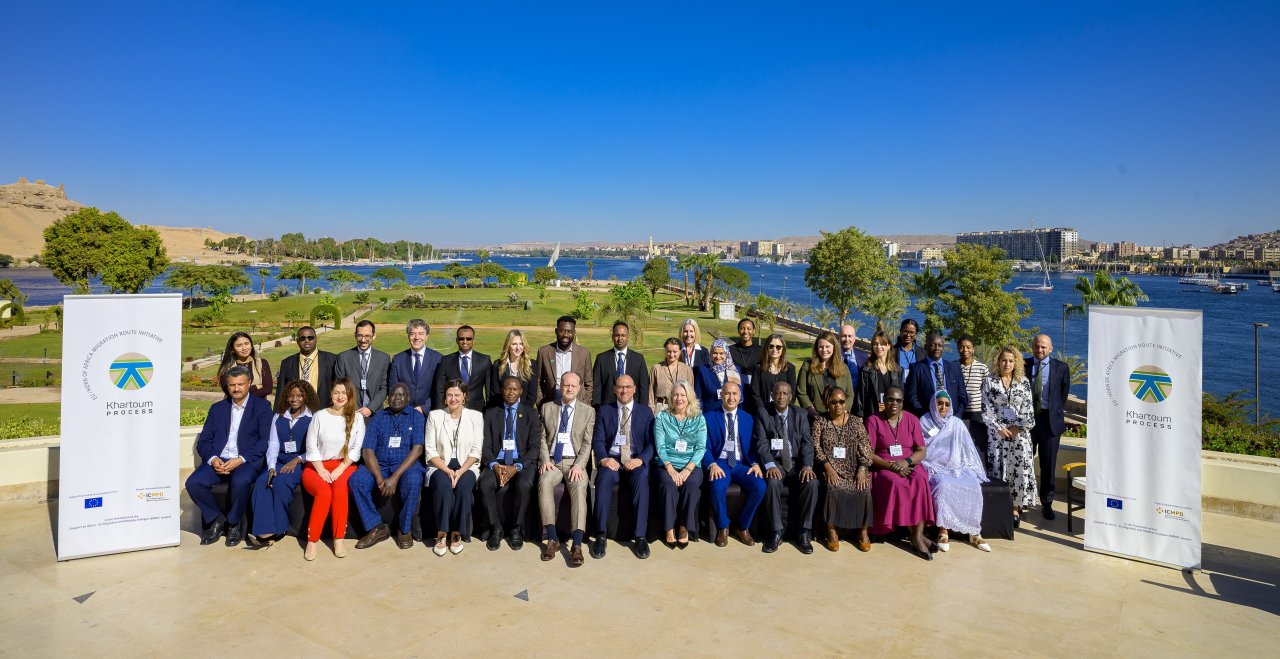
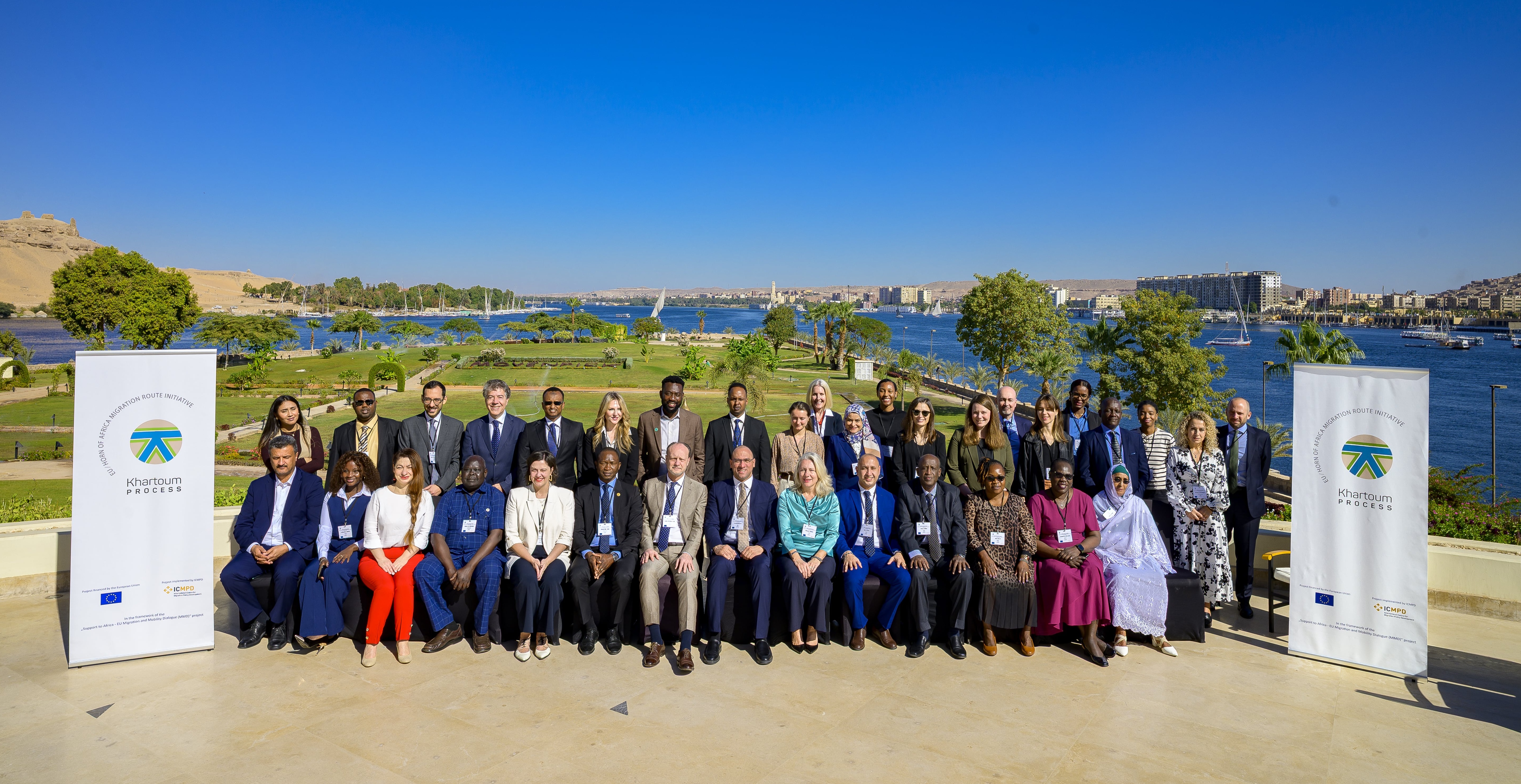
The Khartoum Process Thematic Meeting from Policy to Practice: Advancing Legal Pathways for Migrants, with a Focus on Women and Youth was held in Aswan, Egypt, under the French Chairmanship of the Khartoum Process, hosted by Egypt and co-hosted by France. The meeting brought together 55 representatives of Khartoum Process Member States, the African Union and European Union, international organisations, civil society, academia, and the private sector.
Building on Domain 2 of the Cairo Action Plan on regular migration pathways and mobility, discussions focused on translating political commitments into practical and inclusive solutions. The meeting explored how labour mobility schemes, visa facilitation, skills recognition, education-based mobility, and access to reliable information can be strengthened to make legal pathways more accessible and effective —particularly for women and young people.
Legal Pathways as a shared Africa–Europe Priority
Throughout the meeting, legal migration was reaffirmed as a strategic pillar of balanced Africa–Europe partnerships. Participants highlighted that well-designed legal pathways could respond to labour market needs in destination countries while supporting skills development, protection, and sustainable development outcomes in countries of origin.
At the same time, discussions recognised that legal pathways remain underutilised in practice. Key constraints include fragmented systems, administrative complexity, limited recognition of skills and qualifications, and insufficient access to trusted information. Addressing these barriers was identified as essential to ensuring that legal migration becomes a credible and accessible alternative to irregular routes.
Making Mobility Work: Skills, Visas, and Education
A recurring message was that recognition of skills and qualifications remains one of the most significant bottlenecks to effective labour mobility. Participants stressed that labour migration schemes cannot deliver results without transparent, skills-based recognition mechanisms that reflect migrants’ actual competences, including those acquired through non-formal and informal learning.
Visa facilitation was discussed as a closely linked enabler. Experiences shared demonstrated that streamlined procedures, multi-annual permits, and clearer links between education, training, and employment improve predictability for migrants, employers, and institutions. Education-based mobility through scholarships, academic exchanges, vocational training, and youth mobility schemes, was highlighted as one of the most trusted and scalable legal pathways, offering gateways to skills development, cooperation, and longer-term labour market integration.
Awareness, Trust, and Moving from Dialogue to Action
Participants consistently emphasised that legal pathways are only effective if potential migrants are aware of them and trust the information provided. Persistent knowledge and trust gaps, often filled by informal networks and social media, were identified as key drivers of irregular migration and vulnerability. Good practices discussed included Migrant Resource Centres (MRCs) as holistic one-stop-shops, coordinated government-led outreach, diaspora engagement, and behaviourally informed communication strategies, with tailored approaches for women and youth.
The meeting concluded with a shared understanding that the main challenge is not the absence of legal migration pathways, but their accessibility, scalability, and effective implementation. Discussions highlighted the need to promote skills- and competence-based mobility, strengthen education-to-employment pathways, establish trusted and institutionalised information ecosystems, and deepen employer engagement while ensuring ethical recruitment, worker protection, and post-arrival support. Participants reaffirmed the Khartoum Process as a trusted platform for dialogue and cooperation and called for sustained follow-up to translate discussions into practical, people-centred outcomes.