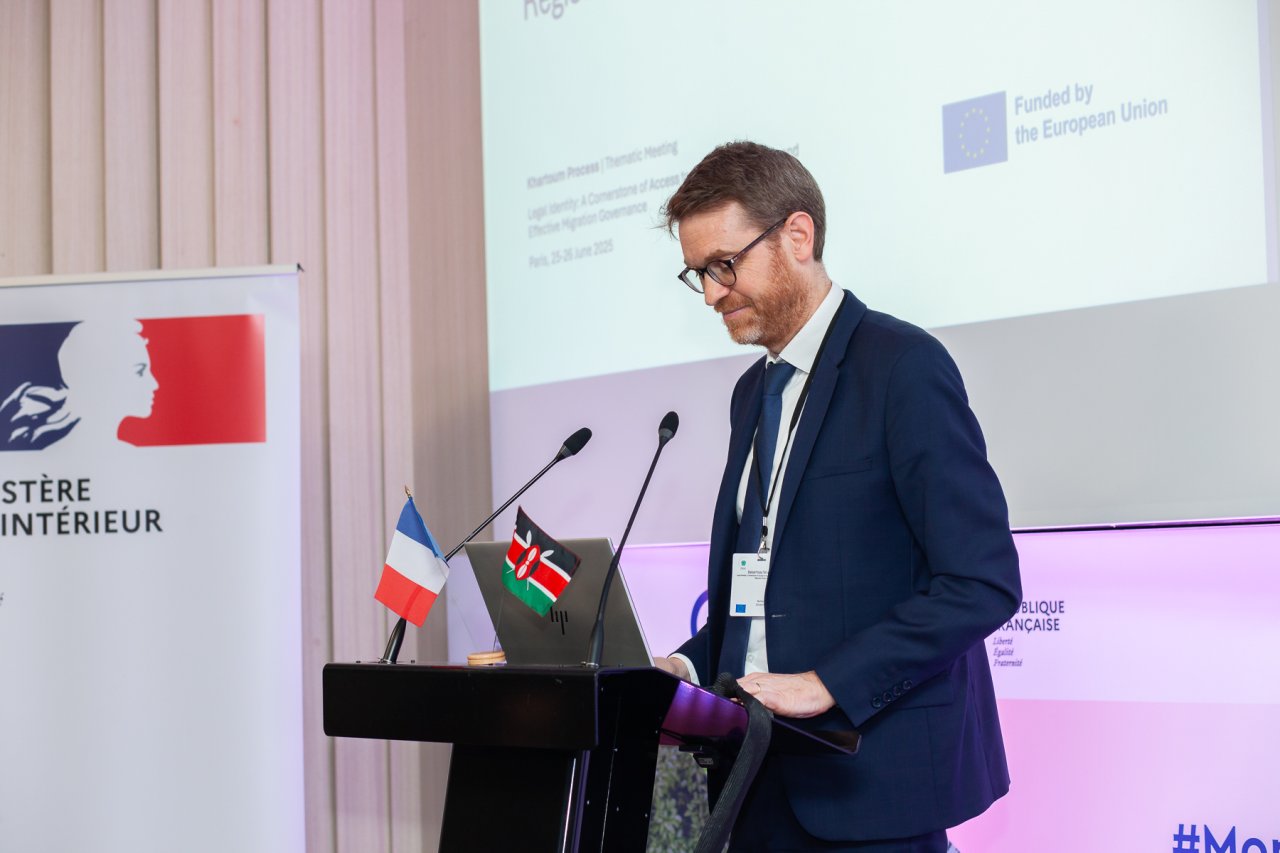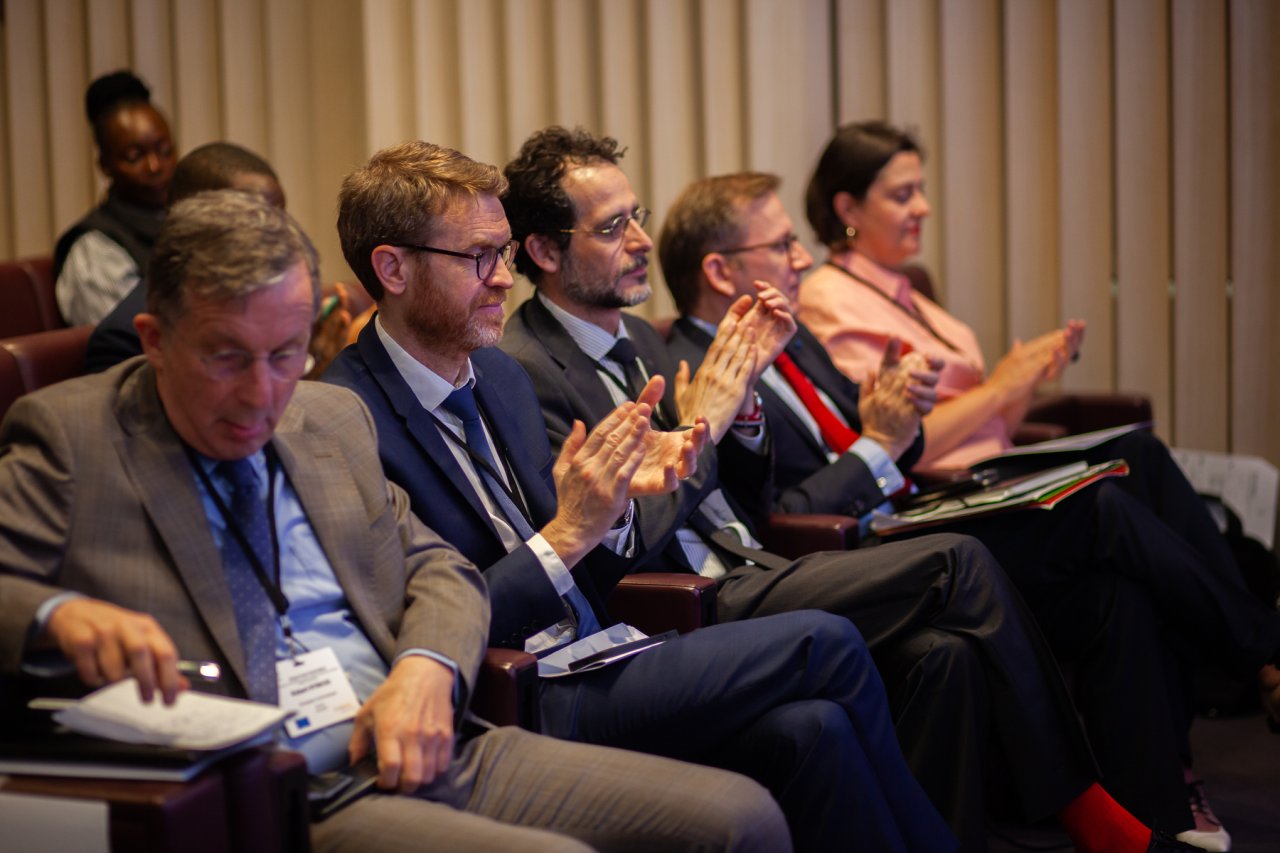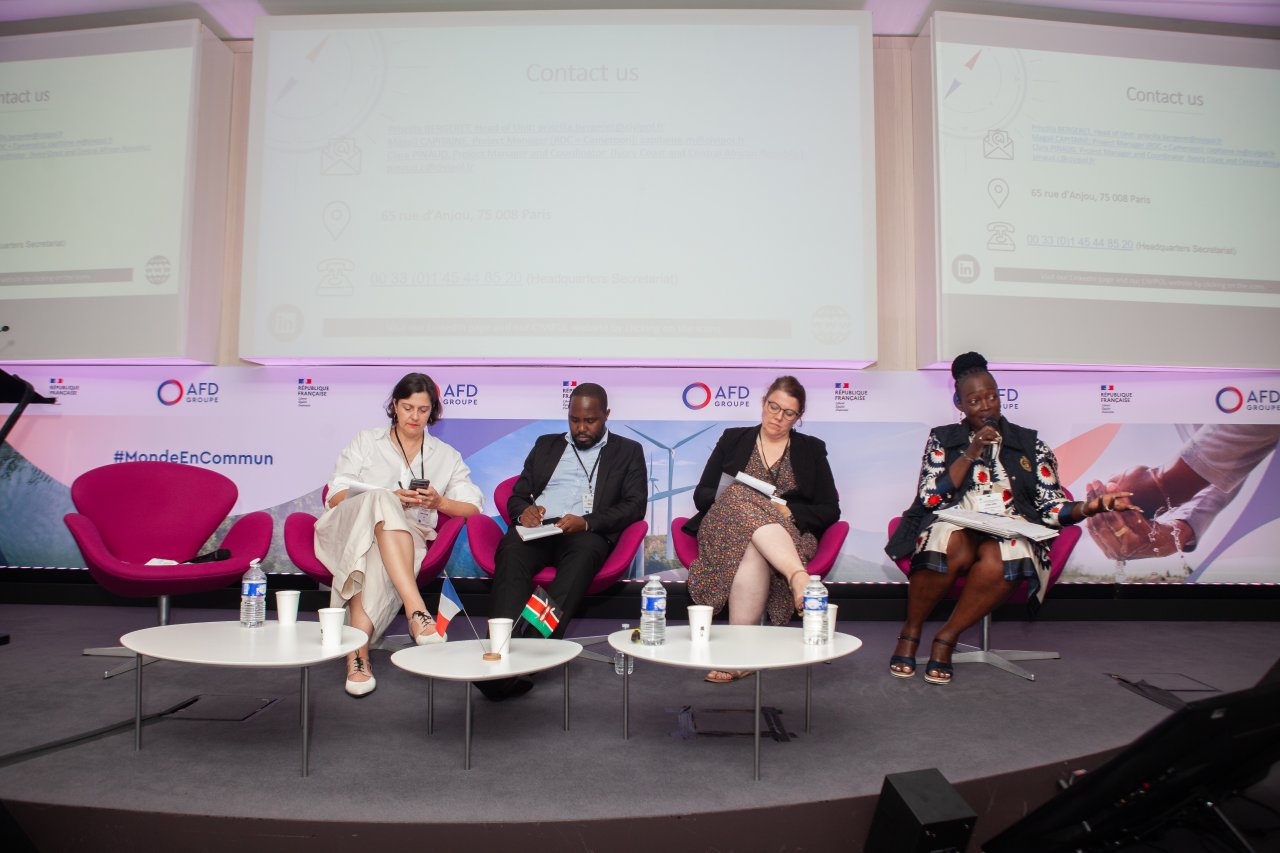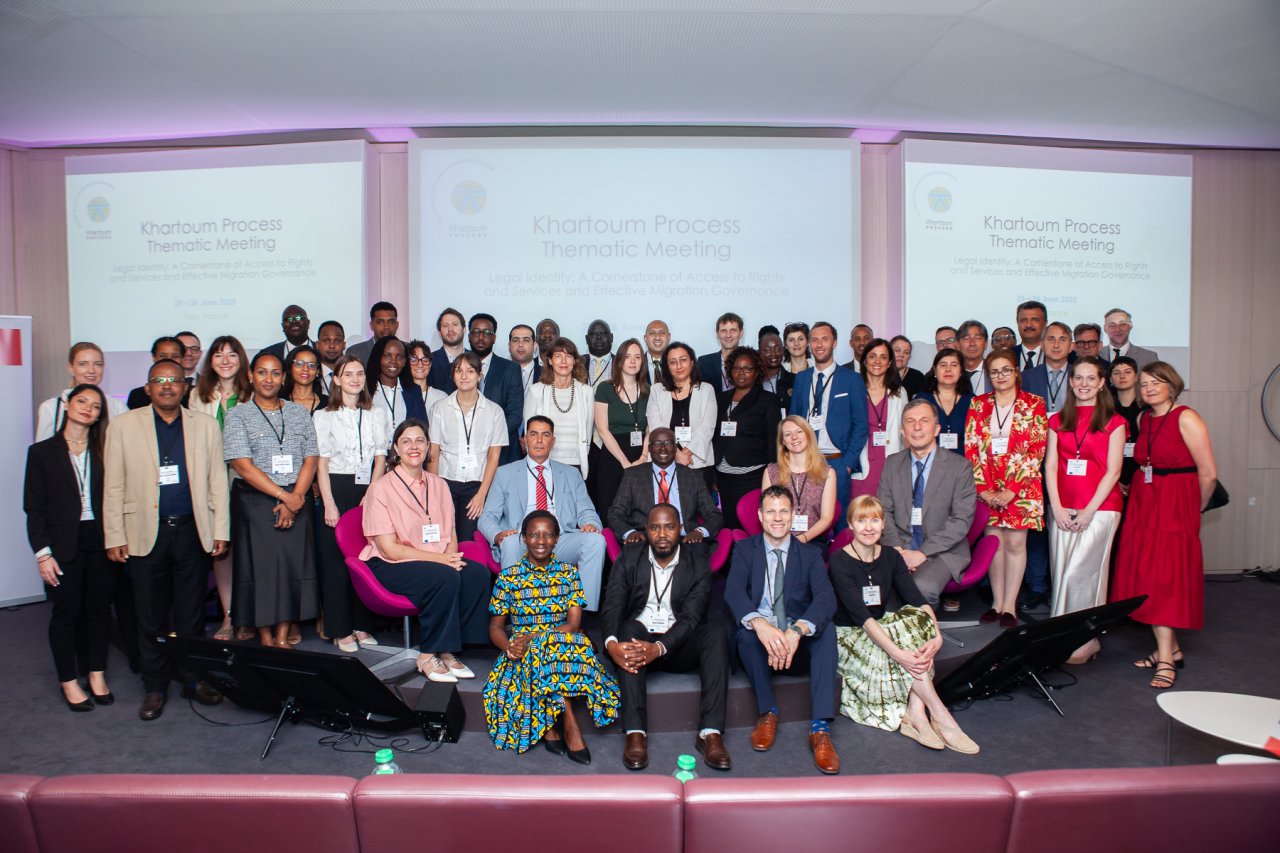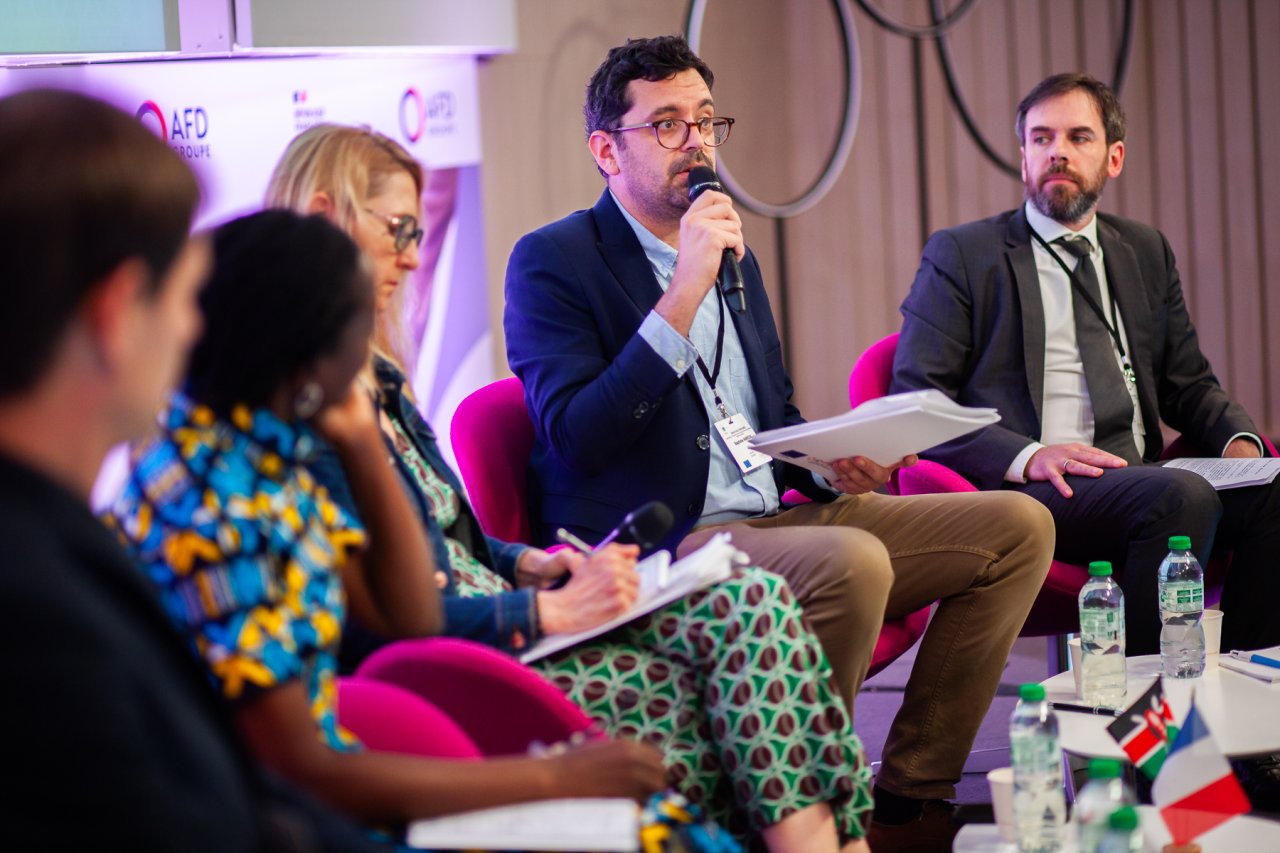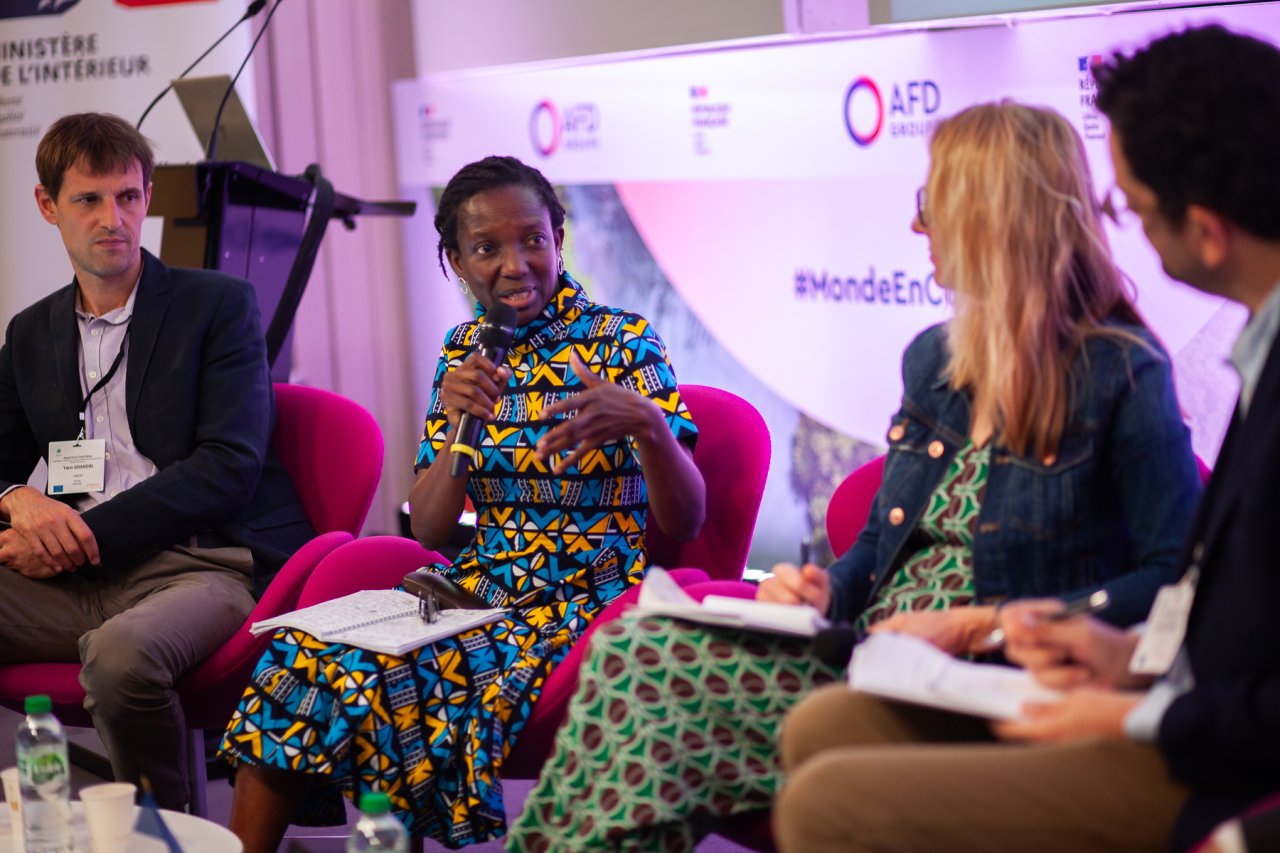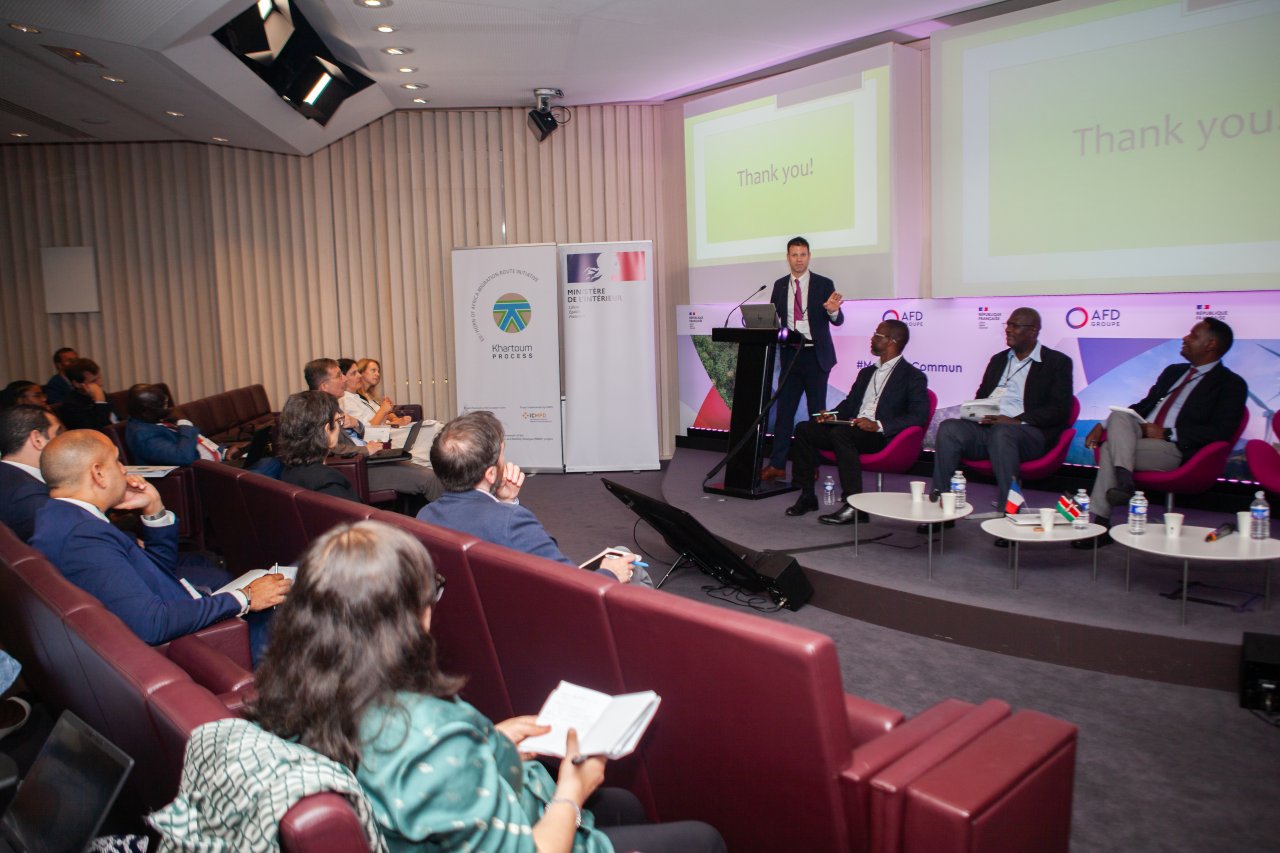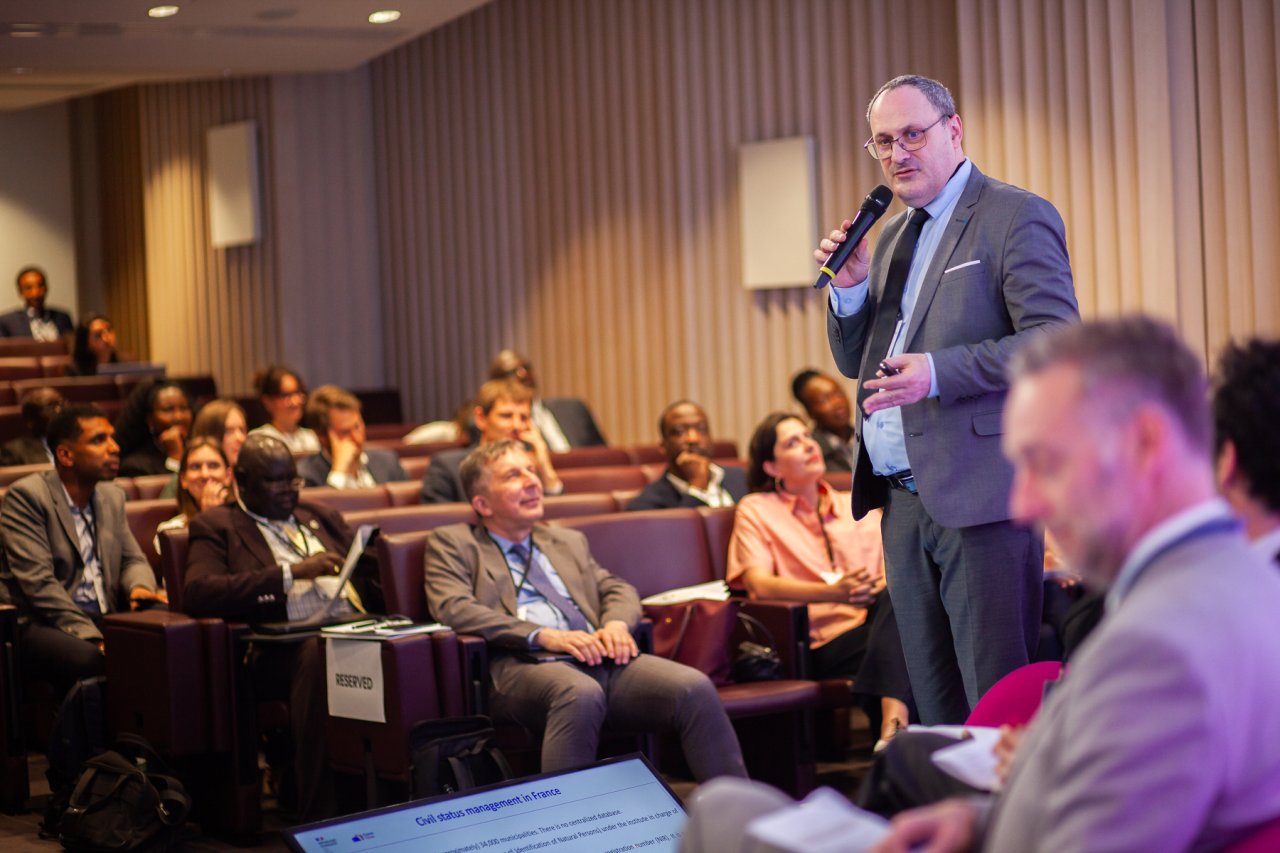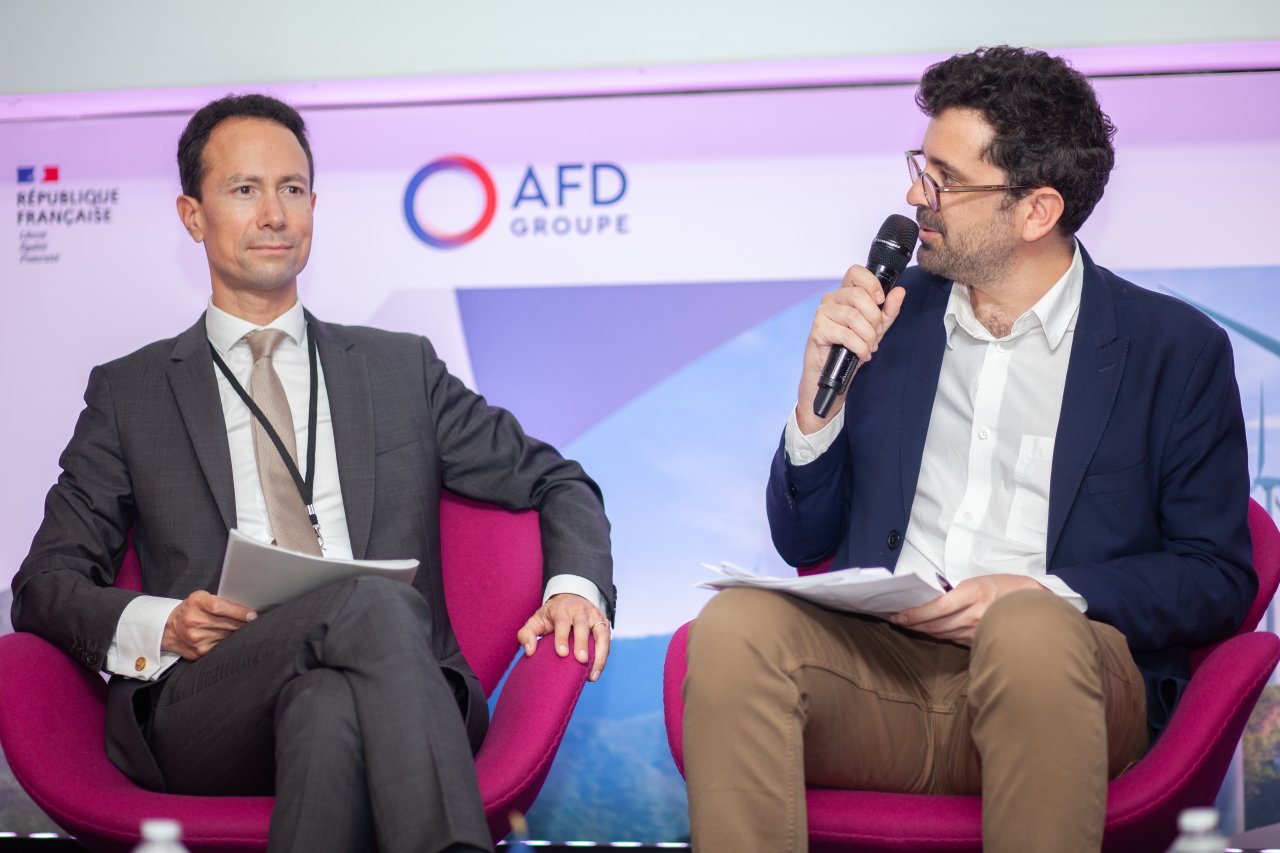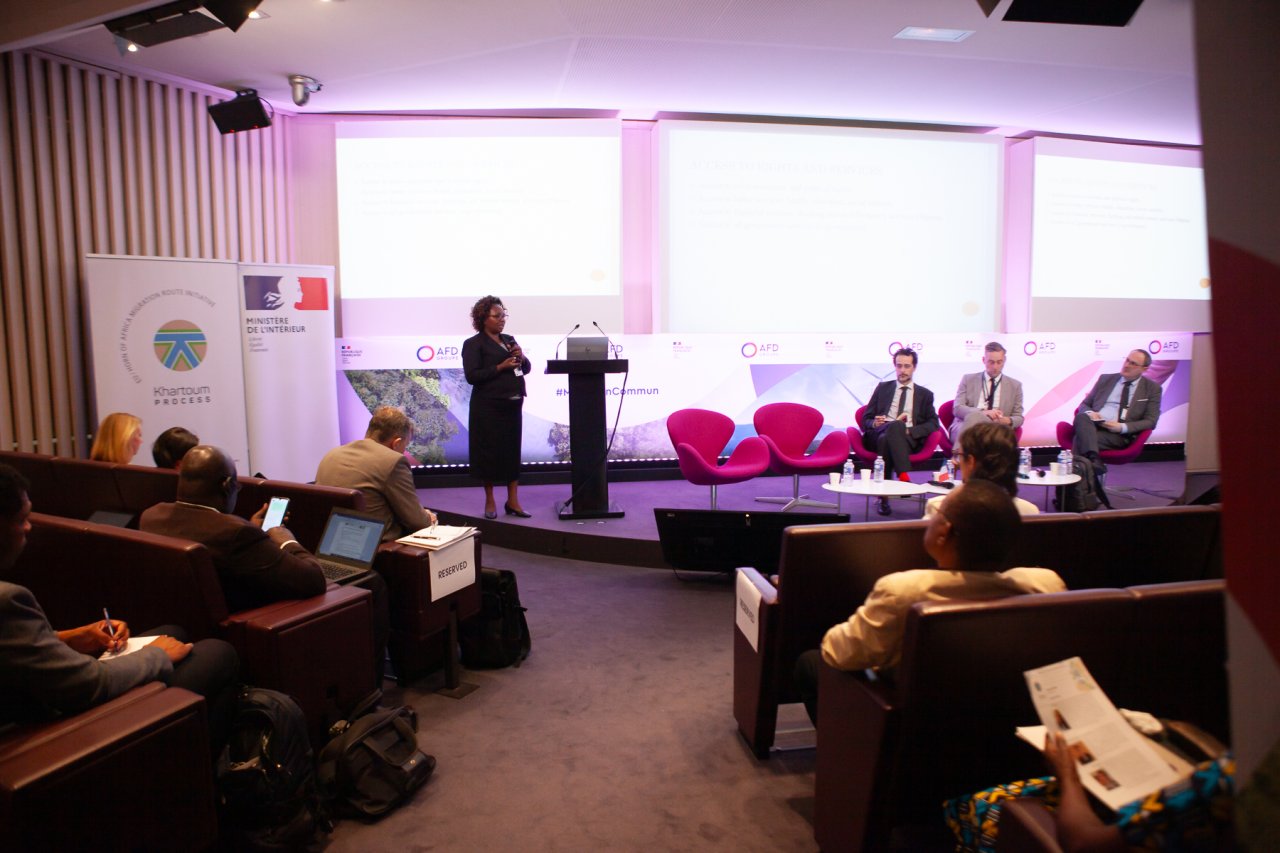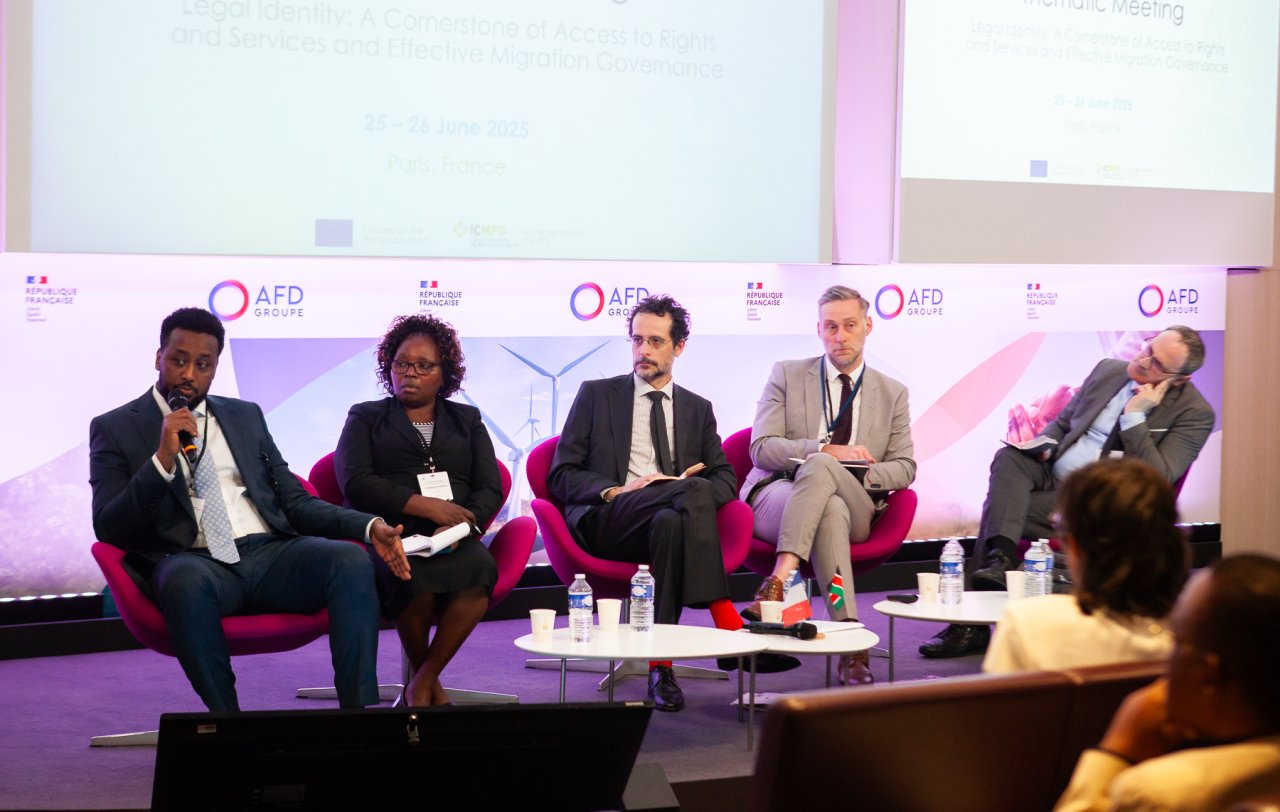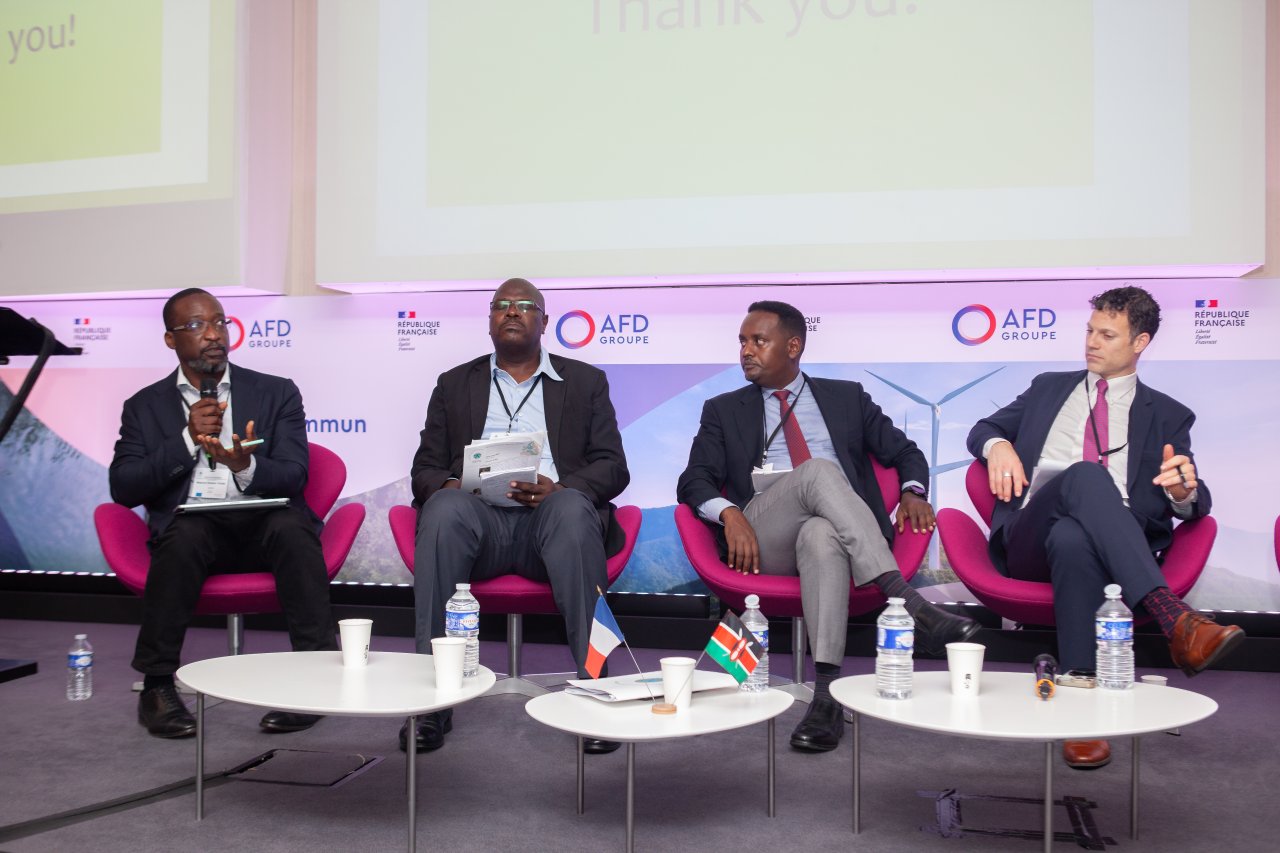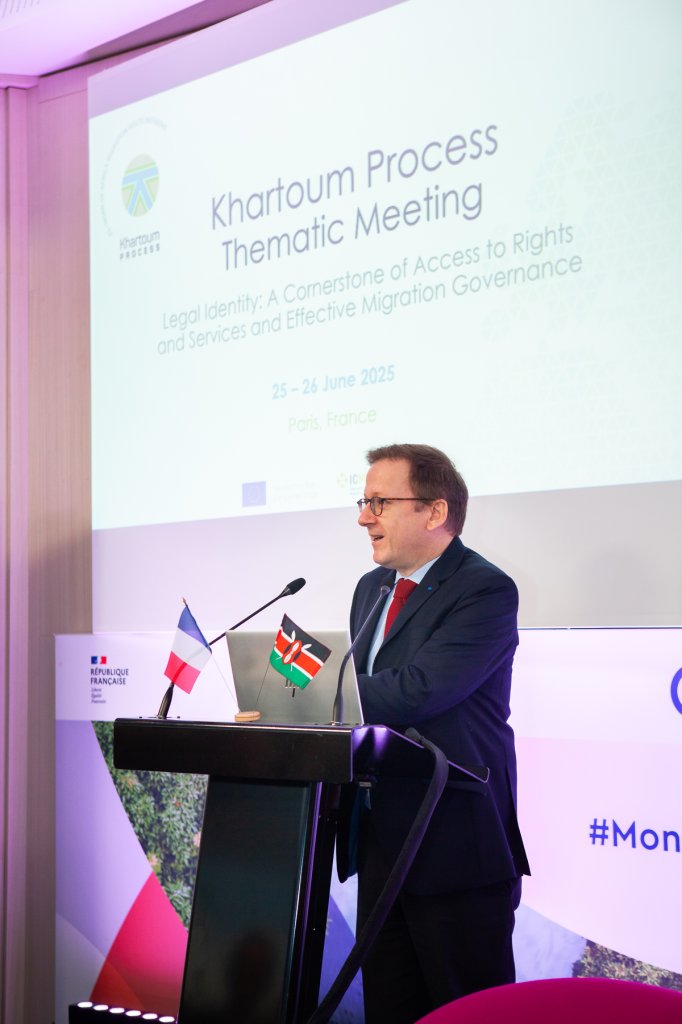
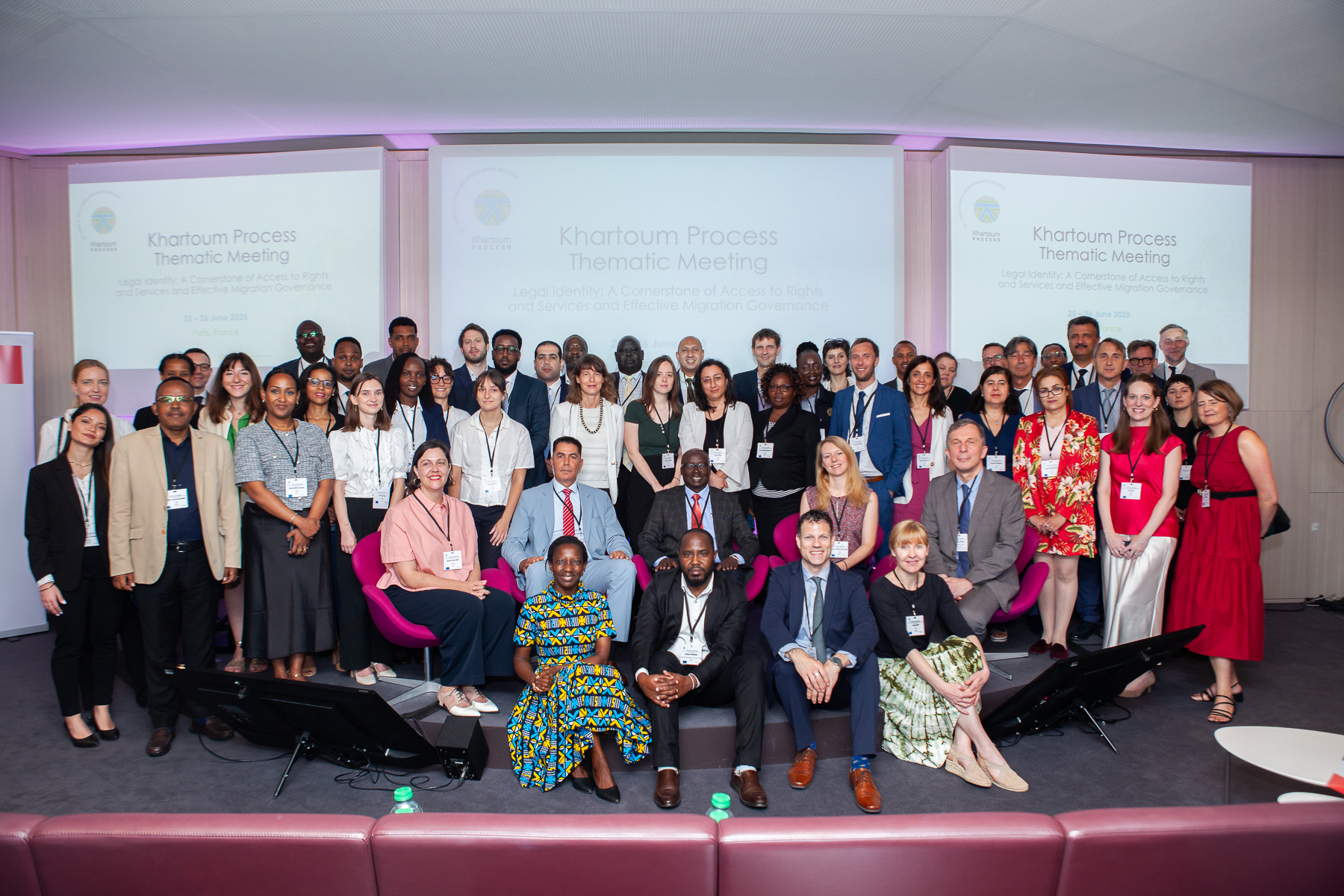
As the first meeting under the French Chairmanship, this Thematic Meeting was co-hosted by France and Kenya and focused on “Legal Identity: A Cornerstone of Access to Rights and Services and Effective Migration Governance”. The two-day event brought together 66 participants from Khartoum Process Member States, regional and international organisations, civil society, and academia. Discussions underscored the vital role of civil registration and legal identity (CRLI) in promoting human rights, social inclusion, and well-functioning migration systems.
Legal Identity: A Human Right and Development Priority
Opening remarks highlighted the urgency of addressing the global identity gap. Over 80 million people worldwide still lack a recognised legal identity, significantly limiting access to services like health care, education, justice, and formal employment. The meeting reaffirmed that legal identity is not just a bureaucratic formality—it is a human right and a precondition for inclusive development and accountable governance.
Kenya’s delegation underscored its commitment to universal legal identity through digitalisation efforts such as the Maisha Number initiative, aimed at improving service delivery across the country. France emphasised its approach based on three principles: human-rights-based, integrated, and universal. Both countries showcased their reforms as aligned with the Global Compact for Migration (Objective 4) and SDG Target 16.9 on legal identity for all by 2030.
Bridging Gaps in Civil Registration Systems
Participants discussed multifaceted challenges to legal identity, including fragmented civil registry systems, outdated legal frameworks, lack of cross-border data sharing, and discriminatory practices that exclude stateless persons, refugees, and migrants. In fragile contexts such as Sudan, Somalia, and parts of the Sahel, civil registration offices have been targeted in conflict, further undermining access to identity documentation. The lack of legal documentation not only increases vulnerability to trafficking and exploitation but also creates obstacles to voluntary return and reintegration.
Regional and National Solutions: From Innovation to Cooperation
Innovative practices shared during the meeting included:
-
Mobile registration units and proxy documentation in remote areas;
-
Digital IDs such as Kenya’s Maisha Number and Ethiopia’s Fayda ID, linking refugees to financial and social services;
-
Community outreach campaigns to raise awareness about the value of legal identity;
-
International cooperation, such as UNHCR-facilitated transcription of birth certificates between countries of asylum and origin.
Toward Interoperability and Inclusion
Discussions stressed that there is no one-size-fits-all approach to legal identity, as each country must assess its digital maturity, legal framework, and specific context to develop a model that reflects its traditions, culture, population size, and governance structures. While global examples such as Estonia and Singapore offer valuable inspiration, participants stressed that each government should design its own legal identity system—grounded in foundational and functional civil registration—drawing from best practices without direct replication. Emphasis was placed on prioritising basic identity infrastructure before advancing to complex digital solutions, ensuring strong data protection and inclusive governance, integrating legal identity across sectors like health, education, and migration, and leveraging regional and international support to strengthen national systems and build public trust.